REVIEW · DA NANG
Da Nang: Coffee Making And Cooking Class
Book on GetYourGuide →Operated by Jolie Cooking Class · Bookable on GetYourGuide
Vietnamese coffee is a slow magic. In Da Nang, this coffee making and cooking class at Jolie Cooking Class pairs hands-on phin brewing with a cozy, home-style food session. I especially like how the lesson is practical, not just talk, so you taste different styles right after learning the technique.
I also like the small-group feel, which makes it easier to ask questions and get real attention from the English-speaking team (people often name guides like Rosie, Nhan, Hannah, and Kate). The only thing to watch is the coffee part: it can be a lot of caffeine, and it is not suitable for people with heart problems.
In This Review
- Key things to know before you go
- Da Nang coffee starts with the phin, not a machine
- Learning the phin filter: Robusta and slow drip basics
- Egg coffee, salt coffee, and coconut coffee: how the flavors work
- Egg coffee
- Salt coffee
- Coconut coffee
- Cooking at Jolie Cooking Class: hands-on Da Nang dishes
- What the 4.5 hours feel like (and how to pick morning vs afternoon)
- Location near Dragon Bridge: easy to reach, easy to fit in
- Price and value: is $50 worth it?
- Who should book this coffee and cooking class
- Final decision: should you book Jolie Cooking Class
- FAQ
- FAQ
- How long is the Da Nang coffee making and cooking class?
- How much does it cost?
- What coffees do you learn and taste?
- What is the meeting point?
- Is the class taught in English?
- Is it suitable for everyone?
- What should I bring?
Key things to know before you go
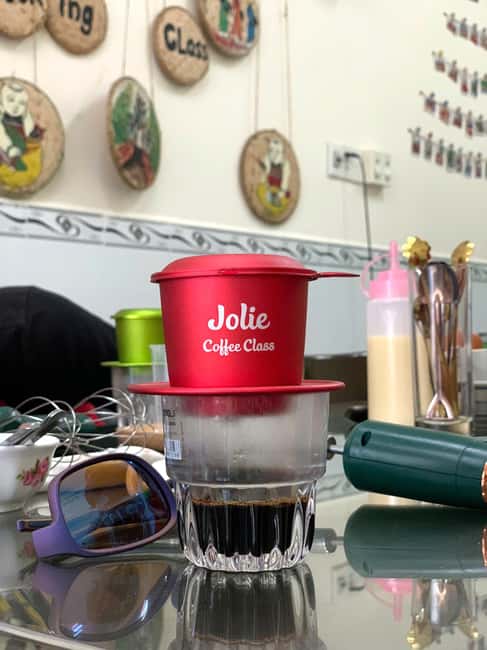
- Phin filter practice: you learn the slow-brewing method, not just the theory
- Three signature coffees: Egg coffee, Salt coffee, and Coconut coffee taste and technique are both covered
- Da Nang coffee culture stories: you get the background behind why Robusta and café traditions matter
- Cook and eat what you make: after brewing, you move into the kitchen and sit down to your own meal
- 4.5 hours, two daily start times: morning or afternoon schedule keeps your day from feeling ripped apart
Da Nang coffee starts with the phin, not a machine
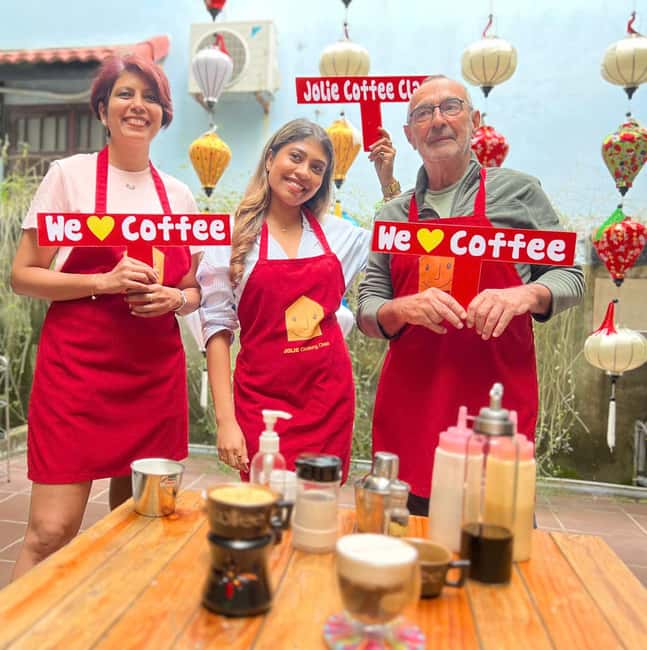
This is one of the more satisfying ways to understand Vietnamese coffee because it starts with the tool locals actually use. You get taught how the phin filter works, and why this slow drip changes the feel and flavor of the cup.
Da Nang is known for coffee culture, and this class treats that like more than a slogan. You hear the stories behind the different coffee types and how local cafés do the ritual day after day, so you understand what you’re drinking instead of just copying a recipe.
One practical tip I’d take if you want the tasting to feel good: don’t pre-load caffeine. The class recommends keeping caffeine lighter before you arrive so you can enjoy the tasting without your body already running hot.
You can also read our reviews of more cooking classes in Da Nang
Learning the phin filter: Robusta and slow drip basics
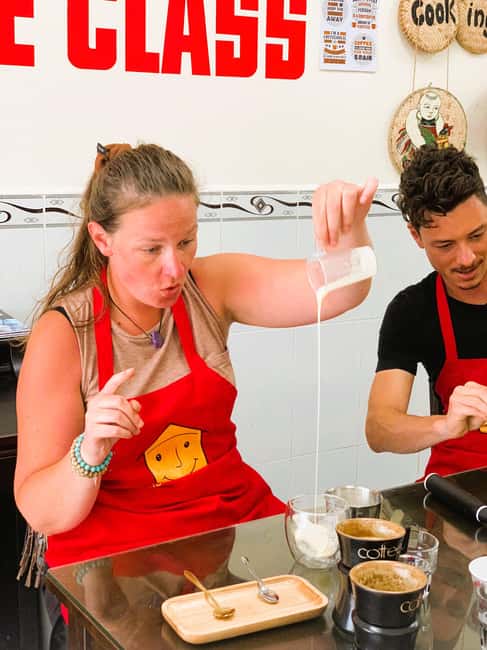
Vietnamese coffee is built on Robusta beans, and that matters. In this class, you learn why Robusta is so central to the country’s coffee style, then you connect that to the brewing method.
The big lesson is the phin filter process itself. You practice the steps and then taste different versions, so you can spot what changes when the drip is slower, the coffee is brewed the traditional way, and the cup is assembled differently.
If you’ve only ever used espresso machines or instant coffee, the biggest shift is patience. The class leans into that slow rhythm on purpose. You’re not trying to rush a drink; you’re learning how the café ritual affects what lands in your cup.
Egg coffee, salt coffee, and coconut coffee: how the flavors work
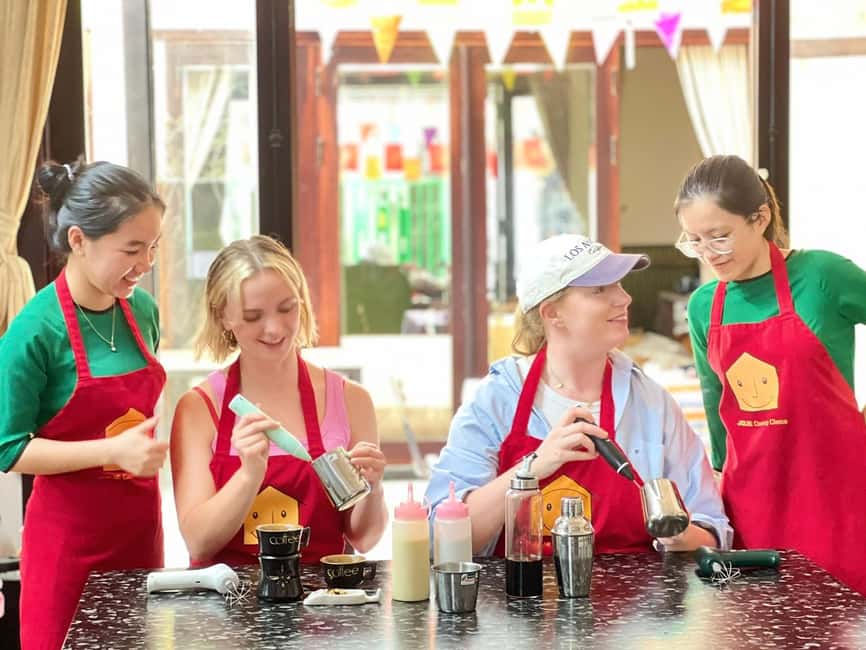
The three coffees are the highlight, and the structure is smart. You don’t just get told what to do; you brew with the phin, taste, then move into the next style with your palate already awake.
Egg coffee
Egg coffee is famous for a reason: it’s creamy, sweet, and full-bodied. The class covers the story behind it and the process so you can understand why it feels like dessert coffee rather than plain coffee.
Salt coffee
Salt coffee is exactly the kind of idea you either love fast or need a minute to understand. You learn the technique and the background, then taste it during the same session so you can connect the flavor balance to the method.
You can also read our reviews of more tours and experiences in Da Nang


Coconut coffee
Coconut coffee brings a softer sweetness and a different aroma profile. You’ll taste it as part of the guided set, which makes it easier to compare how each style changes the coffee experience even though the base is still Vietnamese coffee culture.
A good sign here is what the guides focus on: clear explanations in English, plus time to ask questions while you’re tasting. People often name guides like Rosie and Nhan for being patient and upbeat, which matters a lot when you’re learning something hands-on and a little different from home.
Cooking at Jolie Cooking Class: hands-on Da Nang dishes
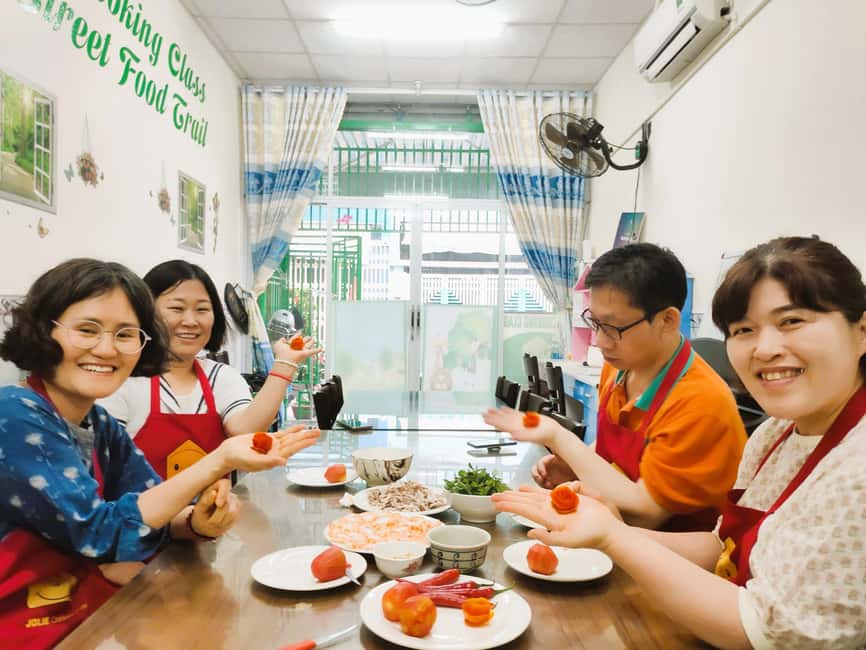
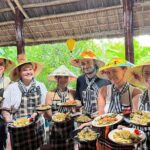
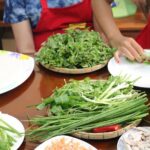
After the coffee session, you shift from brewing to cooking. The schedule gives you a dedicated block for the kitchen, and that’s where the class feels like real value instead of a quick demo.
You meet in the late morning or early afternoon with a local snack and coffee-culture intro. Then you go into the cooking time later, and you actually eat what you make after that. The class is described as welcoming and home-style, which usually means less fuss and more practical instruction.
One detail I like: the pacing. The time between coffee and cooking is enough to reset, but the whole session is still tight enough that you stay engaged. You also get hands-on chopping and preparation, not just a spectator seat.
If you come hungry, this part makes sense. The class itself hints you should be ready for food, and the final meal is a big chunk of the total experience. Plan your day so you don’t walk in already stuffed from an early restaurant breakfast.
What the 4.5 hours feel like (and how to pick morning vs afternoon)
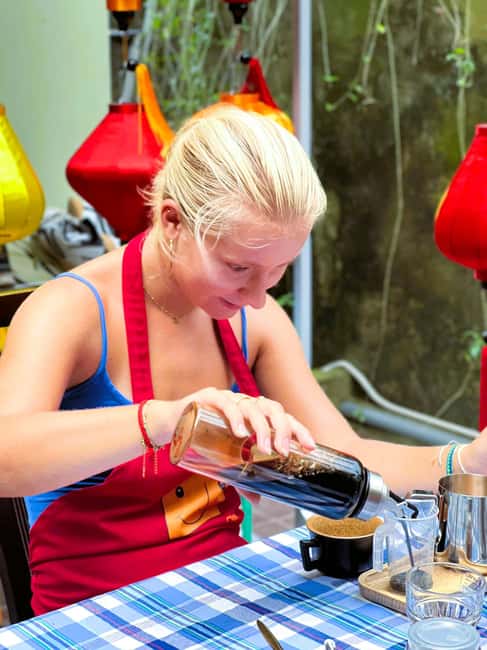
The class runs 4.5 hours with two start times each day:
- Morning: meet at 8:30 AM, coffee brewing starts around 8:45 AM, then cooking starts around 10:30 AM, and you eat at about 1:00 PM
- Afternoon: meet at 2:00 PM, coffee brewing starts around 2:15 PM, then cooking starts around 4:00 PM, and you eat around 6:30 PM
That morning/afternoon split is more than scheduling convenience. It also affects your energy. If you like mornings and want a long lunch, choose the morning slot and you’ll finish with a full meal and time left in the day. If you prefer a later start and want your meal at sunset-ish time, the afternoon schedule works well.
Because the class is designed around slow brewing and careful prep, it won’t feel like a rushed cooking show. You’re learning, tasting, and then applying it in the kitchen, which is why the 4.5 hours holds together well.
Location near Dragon Bridge: easy to reach, easy to fit in
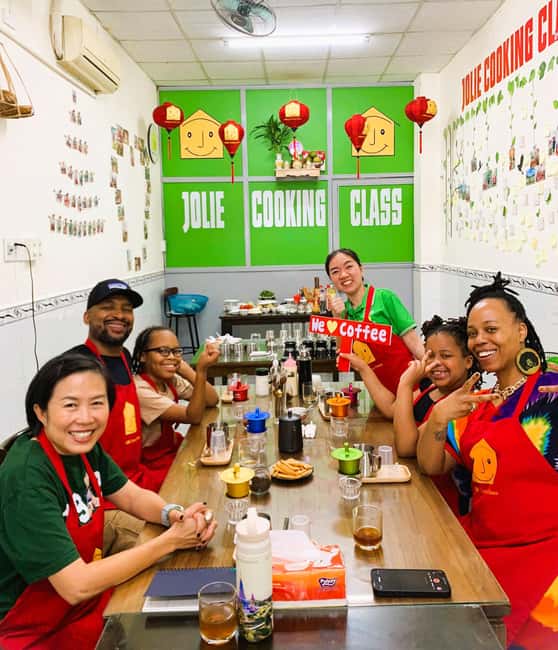
You meet at Jolie Cooking Class at 14 An Trung Dong 6, Da Nang, near Dragon Bridge. This helps a lot if you’re trying to keep your day simple, because Dragon Bridge is a common landmark in central Da Nang.
For a first-timer, this matters: fewer complicated directions usually means more time focusing on the class itself. You’ll spend your energy learning, tasting, and cooking, not searching the map.
Also bring a camera, since you’re tasting multiple coffee styles and then cooking. It’s the kind of experience where you’ll want photos of the phin process and the food you made with your own hands.
Price and value: is $50 worth it?
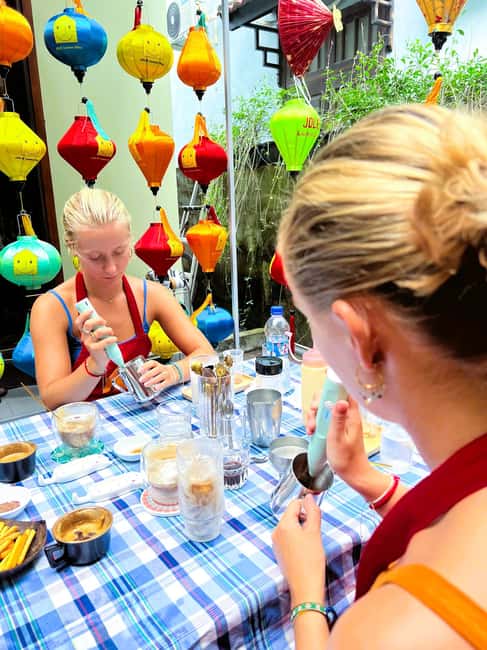
At $50 per person for a 4.5-hour experience, the value comes from two things you get in one package: practical coffee technique and a full cooking-and-eating session.
Many coffee experiences stop at tasting. Here, you learn the phin brewing method and then you cook in a guided way. That double win is what justifies the price: you’re paying for skills you can reproduce, plus a meal that’s part of the class.
You also get a small-group setup, which improves the odds you’ll actually understand what you’re doing. A class with a bigger group might still teach the steps, but you’d likely ask fewer questions and get fewer corrections.
And the guides matter. English instruction from people like Rosie and Nhan (plus other team members named by guests) is part of the value, because clear guidance reduces frustration when you’re learning a new method.
Who should book this coffee and cooking class
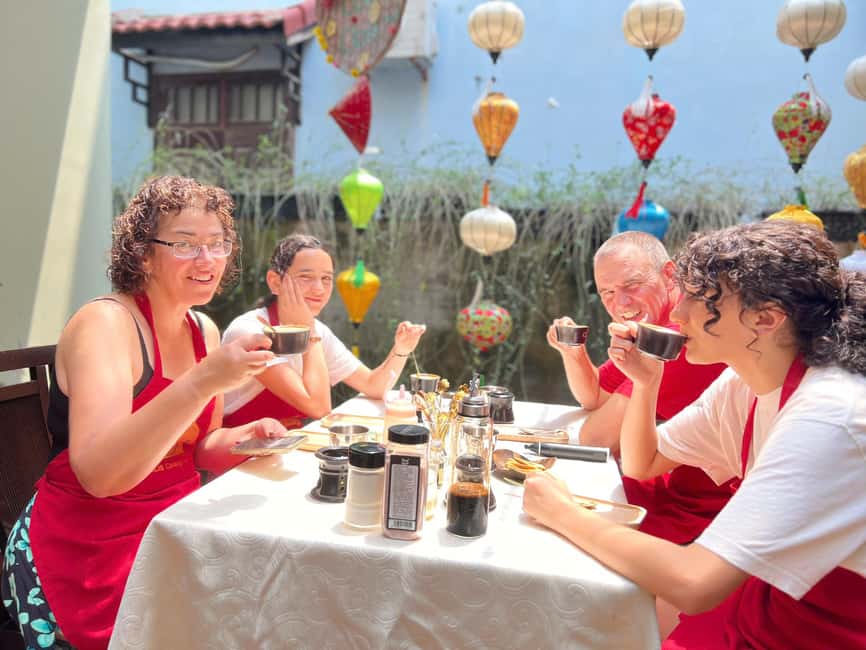
This works best for you if you want something hands-on and local, not just a tourist-style meal.
You’ll likely enjoy it if:
- You want to learn Vietnamese coffee beyond what’s on a menu
- You like coffee experiments and tasting Egg, Salt, and Coconut coffee
- You want a Da Nang cooking experience in a home-style setting
- You prefer small groups where you can ask questions
You should think twice if:
- You have heart problems, since the class is not suitable for people with that condition
- You’re extremely caffeine-sensitive, because you’ll be tasting multiple coffee styles (the class recommends limiting caffeine beforehand)
It’s also described as children friendly, which is useful if you’re traveling with family and want a structured activity that’s not all sitting.
Final decision: should you book Jolie Cooking Class
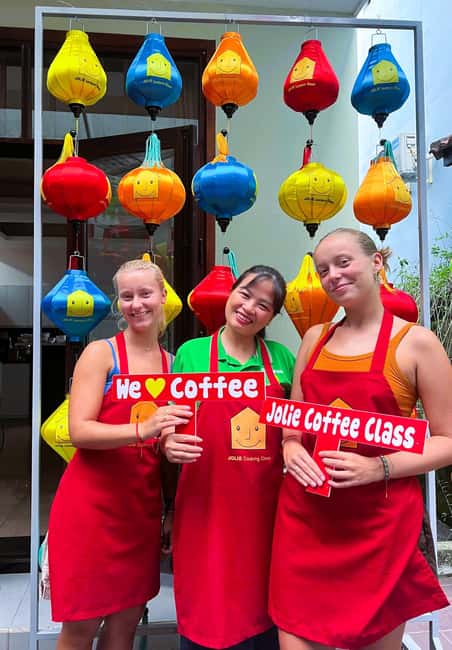
Yes, I’d book it if your goal is skills plus food, especially if Vietnamese coffee is on your must-do list. The phin filter practice and the set of three famous coffees make the experience specific, and the cooking time turns it into something you can’t replicate by just eating at a café.
If you’re on the fence, choose based on your caffeine comfort. The coffee tasting is a centerpiece, and the class itself suggests not going in loaded with caffeine. Go in with a lighter start, bring a camera, and plan to enjoy the meal you cook.
FAQ
FAQ
How long is the Da Nang coffee making and cooking class?
The duration is 4.5 hours.
How much does it cost?
It costs $50 per person.
What coffees do you learn and taste?
You learn to brew and taste Vietnamese coffee types including Egg coffee, Salt coffee, and Coconut coffee using a traditional phin filter.
What is the meeting point?
You meet at Jolie Cooking Class, 14 An Trung Dong 6, Da Nang, near Dragon Bridge (16.059999465942383, 108.23539733886719).
Is the class taught in English?
Yes, the instructor teaches in English.
Is it suitable for everyone?
It is not suitable for people with heart problems. It is also listed as children friendly.
What should I bring?
Bring a camera, and wear comfortable clothing. The class also recommends not consuming too much caffeine before the tasting so you can enjoy it.