REVIEW · DA NANG
Da Nang Coffee Making Workshop
Book on Viator →Operated by Da Nang Home Cooking Class · Bookable on Viator
Coffee and culture, side by side. This Da Nang workshop turns Vietnam’s coffee habit into a hands-on, easy-to-follow class with real tastings. You’ll get the backstory on why locals drink coffee this way, and you’ll build skills you can actually repeat at home, not just take photos.
I like that the experience is hands-on and structured for tasting. I also like the focus on Vietnamese methods, especially the cafe phin drip style and how tea philosophy connects to the ritual. One thing to consider: there’s no pick-up or drop-off, so you’ll want to plan an easy route to the meeting point.
In This Review
- Key highlights you’ll care about
- Da Nang Coffee Workshop: why Vietnam’s coffee feels different
- Choosing the right session: class only, class plus lunch, or a full cooking day
- What you learn: coffee history, drink differences, and tea philosophy
- Your hands-on workflow: tools, stations, and tasting your result
- The star method: cafe phin drip and the rhythm of Vietnamese brewing
- Egg coffee, salt coffee, coconut coffee: flavors that teach you fast
- Tea welcome and the calm mindset that makes coffee ritual feel natural
- Lunch with coffee class: what you’ll eat and why it pairs well
- Logistics that actually matter: where you meet and how to plan your day
- Guide vibe: when the class feels funny and relaxed, learning sticks
- Price and value: is $17 a fair deal?
- Who should book (and who might not love it)?
- Should you book Da Nang Coffee Making Workshop?
- FAQ
- How long is the Da Nang coffee making workshop?
- What time does the coffee making class run?
- What’s included in the price?
- Is pickup and drop-off included?
- Where is the meeting point?
- What is the lunch menu, and is there a vegetarian option?
Key highlights you’ll care about
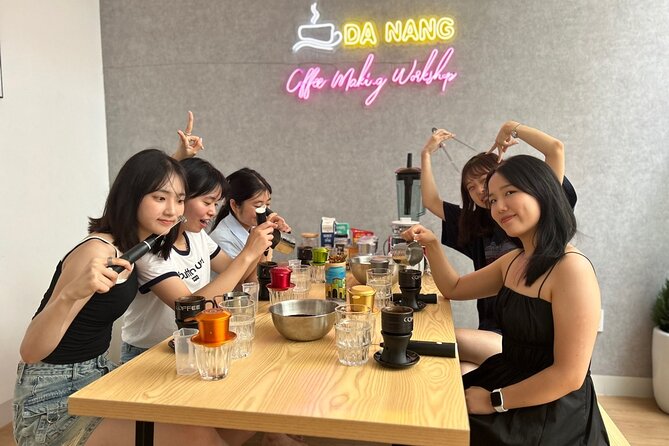
- Signature drinks you can make: you learn Vietnamese coffee styles such as egg coffee, salt coffee, coconut coffee, and cafe phin brewing
- Small-group feel: maximum of 14 people, so questions don’t get swallowed
- Tea welcome drink first: you start with tea to set the rhythm and mindset
- Optional lunch add-on: spring rolls, crispy Vietnamese pancakes, and mango salad with shrimp and pork, with a vegetarian option
- Timing options: morning, midday, and afternoon sessions, plus a longer cooking-and-coffee day
Da Nang Coffee Workshop: why Vietnam’s coffee feels different

Vietnamese coffee isn’t just stronger coffee. It’s a different ritual. You’ll see that quickly when you learn the method behind the cup, not just the ingredients. Coffee in Vietnam is social, slow, and practical all at once, which is why this kind of class works so well while you’re traveling.
What I like about the setup is that it treats coffee as culture, not a science project. You get stories about coffee history and day-to-day habits, plus guidance that explains why Vietnamese styles taste the way they do. Even if you’re not a coffee person, you’ll still have a “this makes sense” moment.
You’ll also get a built-in reason to pay attention: you’re making drinks and tasting them. That’s the fastest way to learn what changes flavor, from brew time to how the coffee is prepared.
You can also read our reviews of more tours and experiences in Da Nang

Choosing the right session: class only, class plus lunch, or a full cooking day

This experience comes in three flavors, and your timing choice affects how full the day feels.
Coffee making class (shorter option)
- Typical session window: about 1–1.5 hours
- Start times: 10:00 am, 1:00 pm, or 3:30 pm
- You’ll focus on the coffee-making steps and tasting your finished drinks
This is the best option if you want something focused that won’t eat half your day.
Coffee making class and lunch (mid-length option)
- Start times: 12:00 PM or 2:30 pm
- Total time: about 2.5 hours
- Lunch menu: fresh spring rolls, crispy Vietnamese pancakes, and mango salad with shrimp and pork
- Vegetarian option is available
This is the best choice if you’re hungry and you like the idea of pairing learning with a real meal.
Cooking class plus coffee class (longer option)
- Start time: 9:30 AM
- Total time: about 5 hours
If you want a fuller food day, this gives you more cooking time plus coffee instruction. It’s also a nice option when you like structured blocks rather than one quick activity.
What you learn: coffee history, drink differences, and tea philosophy
The workshop claims you’ll discover untold stories about Vietnam coffee history and culture, and the teaching style matches that promise. You don’t just get a list of facts. You get context for why Vietnamese coffee tastes distinct compared to coffee styles elsewhere.
You’ll also learn what makes Vietnamese coffee different, which matters because the big flavors often come from preparation. That could be how the coffee is filtered, how sweetness is handled, and how the drink is built after brewing.
A second theme is tea philosophy. The class starts with a tea welcome drink, and the explanation focuses on tea’s beauty and the way it fits into slow moments. That’s not just a warm-up. It helps you understand why the whole coffee ritual feels calm instead of rushed.
If you’re the kind of traveler who likes a story behind what you’re eating, this is where the value stacks up.
Your hands-on workflow: tools, stations, and tasting your result
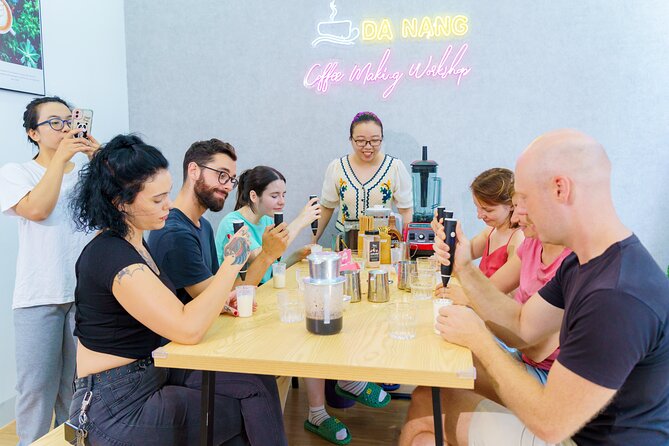
This is a real workshop, not a show. You get coffee making tools, and you follow the steps as you go. The pacing is set for a small group, which is important for two reasons.
First, you’ll have time to ask questions while you’re actively doing the process. Second, it helps keep the learning practical. When you taste your own drink, you connect cause and effect fast.
The included portion covers making 3 types of coffees. The class also references major Vietnamese classics, including egg coffee, salt coffee, coconut coffee, and cafe phin brewing. Practically, that means you’ll get solid technique for the drinks you make, plus extra context for the other famous styles.
The best part is that you don’t leave with coffee trivia only. You leave with tasting memories and a clearer idea of what to order next time you see Vietnamese coffee on a menu.
The star method: cafe phin drip and the rhythm of Vietnamese brewing
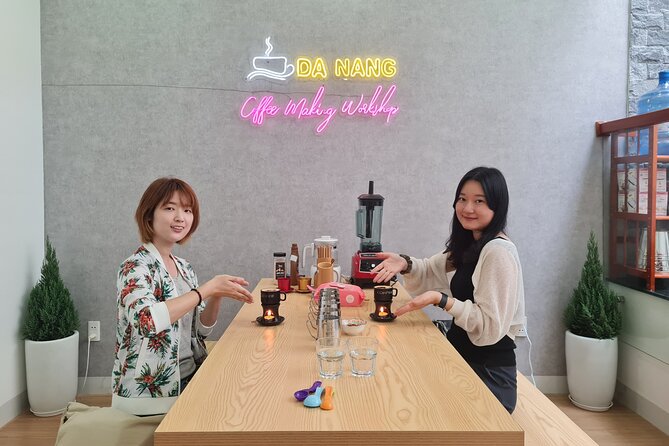
One of the most useful parts for you as a traveler is the cafe phin method. It’s the brewing technique that makes Vietnamese coffee recognizable and it’s central to how locals prepare coffee.
The class teaches you the approach behind the phin, so you understand what changes when the brew is slow and filtered. That matters because the flavor profile depends on extraction and how the coffee interacts with the drink base afterward.
You’ll also learn why this style fits local tastes. Many Vietnamese coffee drinks rely on a balance of strength and sweetness, and the brewing method is part of the reason the balance works.
If you ever wanted to replicate Vietnamese-style coffee at home, this is the section that gives you a realistic path forward.
You can also read our reviews of more tours and experiences in Da Nang
Egg coffee, salt coffee, coconut coffee: flavors that teach you fast
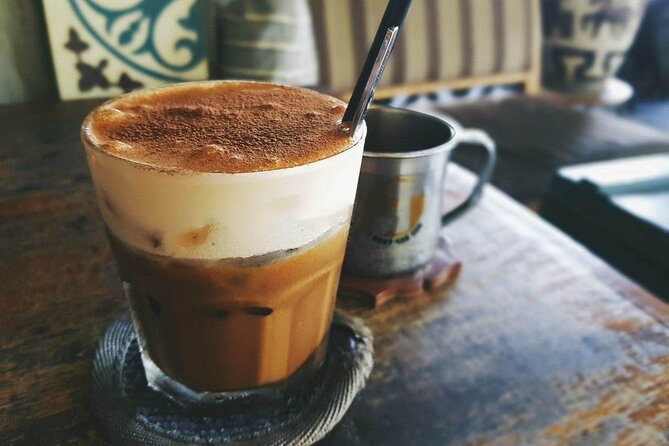
Vietnam has several signature coffee styles, and this workshop chooses ones that teach you different flavor mechanics.
You’ll learn drinks such as egg coffee, salt coffee, and coconut coffee. Even with only a couple of drinks in your cup, you’ll notice how each one uses a different texture and sweetness strategy.
Egg coffee is famous for a custard-like foam that changes the mouthfeel. Salt coffee is built around sweet-salty balance, which can feel surprising at first but makes sense once you taste it. Coconut coffee brings creamy flavor that shifts the whole impression of the coffee.
The practical value here is that you learn what to look for when you order later. Instead of guessing, you’ll know which style tends to be richer, smoother, or more contrast-driven.
Tea welcome and the calm mindset that makes coffee ritual feel natural
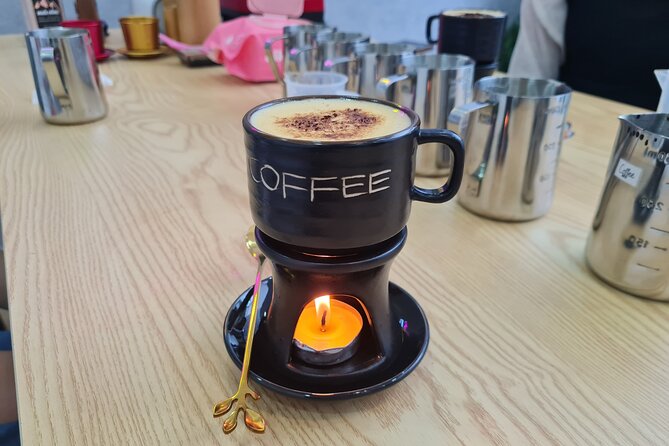
The experience begins with a tea welcome drink. That sounds small, but it sets tone. Tea is lighter than coffee, and it gives you a minute to slow down before you start brewing something stronger.
The workshop also frames tea philosophy as part of the culture, not just a beverage choice. In other words, it explains why people treat these drinks like moments, not fuel.
For you, this matters because it changes how you experience the class. It’s easier to follow steps when your brain isn’t already in caffeine mode.
Lunch with coffee class: what you’ll eat and why it pairs well
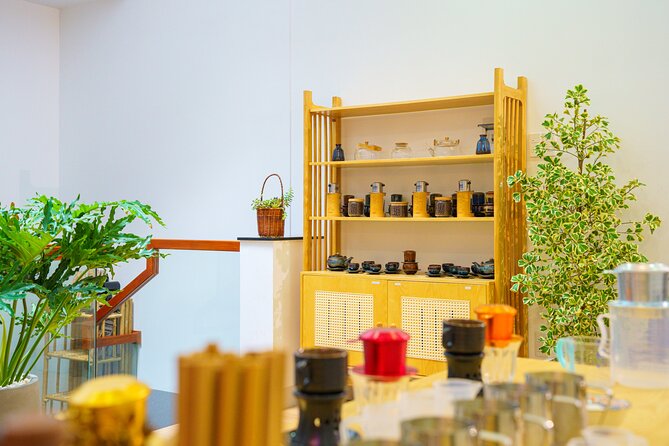
If you book the lunch option, you’ll get a meal that fits the same casual, local rhythm.
Lunch includes:
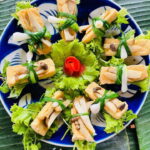
- fresh spring rolls
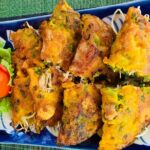
- crispy Vietnamese pancakes
- mango salad with shrimp and pork
There’s also a vegetarian option, which is a big plus if you don’t eat meat.
Why this pairing works: spring rolls and crispy items are quick to eat and help reset your palate between tasting coffee drinks. Mango salad brings brightness, which can make sweet or creamy coffee taste less heavy. It keeps the day from turning into straight sugar-and-coffee fatigue.
You’ll still want water nearby, because coffee plus lunch means you’re stacking flavors fast.
Logistics that actually matter: where you meet and how to plan your day
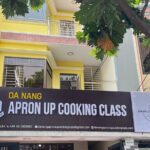
You meet at 146 Đ. Đoàn Khuê, Khuê Mỹ, Ngũ Hành Sơn, Đà Nẵng, Vietnam. The activity ends back at the meeting point.
There’s no pick-up or drop-off included, so plan your own ride in advance. If you’re staying around Da Nang’s central areas, it’s usually easiest to use a local taxi or app-based ride.
The class has a maximum group size of 14 travelers. That’s a good ceiling for this kind of hands-on format. It typically means you won’t be lost in a crowd.
Also, the experience uses a mobile ticket, so make sure your phone battery is healthy when you head out.
Guide vibe: when the class feels funny and relaxed, learning sticks
A consistent theme in the guidance style is that the host makes the class light and engaging. In past groups, the guide has been Jane, and her approach is described as funny and helpful, with a relaxed atmosphere.
You can use that as a decision factor: if you learn best when the teacher makes room for questions and laughs, this workshop should fit your style. The class is also described as friendly and personal, which helps because coffee making is easier when you feel comfortable.
And yes, the coffee overload is real. Once you start tasting your own drinks, it’s harder to go back to ordering just one small cup later.
Price and value: is $17 a fair deal?
At $17 per person, this workshop is priced like a “worth it” cultural food activity. The cost isn’t just for ingredients. You’re paying for several things that are hard to DIY while traveling: tools, step-by-step guidance, a small-group teaching pace, and the tasting component.
For the shorter class, you get:
- a tea welcome drink
- coffee-making tools
- hands-on preparation of 3 types of coffees
- an explanation of Vietnamese coffee history and drink differences
For the lunch package, you’re also adding a full meal with both seafood and meat options plus a vegetarian alternative.
In practical terms, it’s good value if you want a structured experience where you leave with both knowledge and taste. If you’re only interested in a quick coffee sample, it may feel like more than you need. But if you want technique and culture, $17 is a reasonable ask for Da Nang.
Who should book (and who might not love it)?
This is a great match for:
- food travelers who like hands-on learning
- coffee drinkers who want to understand Vietnamese methods, especially cafe phin
- people who prefer small groups and a relaxed pace
- anyone planning a short visit and wanting one focused activity with tastings
You might skip or reconsider if:
- you hate structured classes and prefer unguided tasting
- you’re tight on time and want only a single drink
- you don’t want to transport yourself to the meeting point (since pickup isn’t included)
Also, plan it for the part of your day when you’re not already exhausted from tours. Coffee workshops are fun, but they’re still active and you’ll taste several drinks.
Should you book Da Nang Coffee Making Workshop?
If you want an authentic-feeling Da Nang food experience that’s practical, small-group, and centered on real technique, I’d book it. The class structure makes it hard to leave disappointed because you’re not just watching. You’re making and tasting.
Choose the shorter option if you want a focused coffee skill session. Pick the lunch version if you want a satisfying meal built into the learning. If you’re a serious food day person, the cooking-and-coffee option is the longest time block and fits best when you want a full morning-to-afternoon rhythm.
Only hesitation I’d tell you to respect is logistics: you’re responsible for getting to the meeting point. If that’s easy for your schedule, this becomes an easy yes.
FAQ
How long is the Da Nang coffee making workshop?
The coffee making class is about 1 hour (approx.), and the class option is listed at about 1.5 hours. If you add lunch, it’s about 2.5 hours. The cooking class plus coffee class option is about 5 hours.
What time does the coffee making class run?
There are options at 10:00 am, 1:00 pm, and 3:30 pm for the coffee class. The class plus lunch options start at 12:00 PM and 2:30 pm. The longer cooking plus coffee class starts at 9:30 AM.
What’s included in the price?
You get a tea welcome drink, coffee making tools, and you make 3 types of coffees. If you choose the package that includes lunch, lunch is included.
Is pickup and drop-off included?
No. Pick up and drop off are not included, and the activity ends back at the meeting point.
Where is the meeting point?
The meeting point is 146 Đ. Đoàn Khuê, Khuê Mỹ, Ngũ Hành Sơn, Đà Nẵng, Vietnam.
What is the lunch menu, and is there a vegetarian option?
Lunch (for the class plus lunch package) includes fresh spring rolls, crispy Vietnamese pancakes, and mango salad with shrimp and pork. Vegetarian options are available.