REVIEW · DA NANG
5 traditional dishes Da Nang cooking class with market trip
Book on Viator →Operated by Apron Up Cooking Class · Bookable on Viator
Market-first cooking beats memorizing recipes. This Da Nang class starts at Chợ Bắc Mỹ An, where you shop for real ingredients, then you cook five dishes that Central Vietnam locals actually order and share.
What I like: the teaching is practical, and it shows in dishes like Bánh Xèo—people learn how to get that crispy, well-browned pancake. I also like the flexible menu approach, including a vegetarian swap (the avocado ice-cream can be adjusted) and room for different dietary needs.
One thing to consider: it’s a shared-class setup, and some parts may feel more group-based (like a soup element), plus the space can be tight when everyone plates together. That’s not a dealbreaker, but it can matter if you prefer total one-on-one cooking time.
In This Review
- Quick hits before you cook in Da Nang
- Finding the meeting point and starting on time
- Chợ Bắc Mỹ An market trip: the ingredient lesson you actually remember
- In the kitchen: tools, technique, and a smooth 4-hour flow
- Cooking 5 Central Vietnam favorites, step by step
- Bun Bo Hue: a noodle dish with a hands-on group rhythm
- Bánh Xèo: the crispy pancake everyone wants to master
- Tam Hữu fresh roll: assembly practice with a little learning curve
- Young jackfruit salad: bright, crunchy, and a nice break from frying
- Da Nang avocado ice-cream (and the vegetarian version)
- What you actually eat: fruits, rice vodka, lunch and dinner
- Vegetarian and dietary needs: flexibility, not confusion
- Price and value: is $39 worth it?
- Who this class suits best (and who might not)
- Should you book this Da Nang market-and-cooking class?
- FAQ
- What time should I arrive?
- Where does the cooking class start in Da Nang?
- How long is the class?
- What dishes will I cook?
- Is there a vegetarian option?
- Do I eat during the class?
- Is rice vodka included?
- Is there a market trip?
- What’s included in the class besides the food?
- How does cancellation work?
Quick hits before you cook in Da Nang
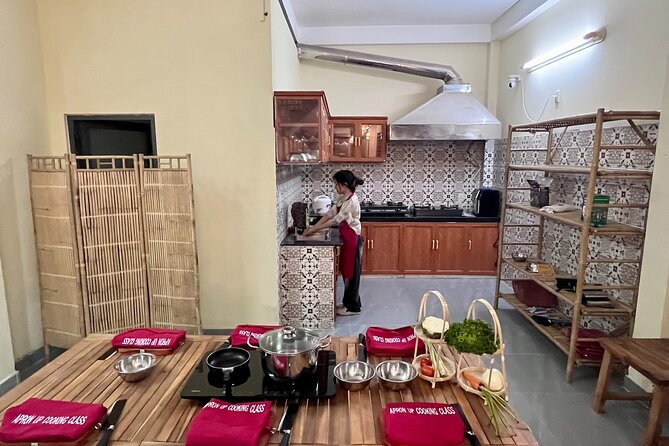
- Chợ Bắc Mỹ An market stop first: shop for ingredients with your instructor before you ever touch a pan.
- You cook 5 signature dishes: Bun Bo Hue, Bánh Xèo, fresh spring roll, young jackfruit salad, and avocado ice-cream (vegetarian version available).
- Hands-on + eat-your-results: you sit down to the meal your group makes, with fruits and rice vodka.
- Small-group feel inside a cap of 30: you’ll work with a group size that supports instruction without going full workshop chaos.
- Good for kids when instructors are patient: people appreciated teachers who work calmly with younger cooks.
- You leave with a cookbook and certificate: more than just a photo op.
Finding the meeting point and starting on time
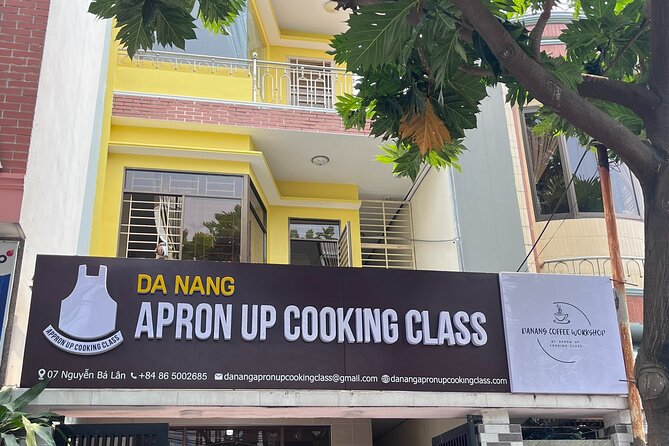
This class runs about 4 hours, so timing matters. You meet at 07 Nguyễn Bá Lân, Bắc Mỹ An, Ngũ Hành Sơn, Đà Nẵng and the simple rule is to arrive around 10 minutes early so you don’t rush the market part.
Once everyone’s together, you head out to the nearby market (Chợ Bắc Mỹ An), and the day gets rolling fast: you’ll shop, come back to the kitchen, and cook your way through a full meal. Because it’s structured, you’re not stuck waiting around for long stretches.
You can also read our reviews of more shopping tours in Da Nang
Chợ Bắc Mỹ An market trip: the ingredient lesson you actually remember
The market visit is not a quick photo stop. It’s the point where the cooking class makes sense.
At Chợ Bắc Mỹ An, you learn what locals buy, how ingredients are chosen, and how the vendors and stalls fit into daily life. Then you shop for what you need for your dishes. For many people, this is the best part because it gives you context: you’re not making food from an abstract recipe card—you’re using ingredients you picked in a real food marketplace.
A couple practical things to keep in mind:
- Wear shoes that can handle uneven pavement and a little market grit.
- Bring an open mind. Markets are busy, and it can feel crowded in narrow aisles.
In the kitchen: tools, technique, and a smooth 4-hour flow
After the market, you return to the kitchen and start cooking right away. The class includes cooking tools, and you’ll work with instruction that focuses on technique: how to assemble, how to cook, and how to get the timing right for multiple dishes in the same session.
You also get the “lesson plus results” approach. One review noted how instructors helped everyone understand the ins and outs of a crispy Bánh Xèo, which is exactly the kind of feedback you want when you’re cooking something that can go wrong fast.
Because the session has multiple dishes, don’t expect a slow, relaxed pace. It’s more like a well-run cooking afternoon: you move through steps, you get guidance as you go, and you eat when you’re done.
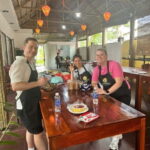
Also, you may meet instructors with names like Bora, Blue, Chi, or Jenny—and multiple people praised how well the teachers explain techniques in a friendly way.
Cooking 5 Central Vietnam favorites, step by step
This class is built around five traditional dishes, and the menu is chosen to be balanced in flavor and teach a range of methods. Here’s what you can expect to cook and why these dishes make such good learning picks.
Bun Bo Hue: a noodle dish with a hands-on group rhythm
You’ll cook Bun Bo Hue as part of the class menu. One consideration: this dish (or parts of it) may be handled more as a group recipe rather than everyone doing every single step solo. That can be fine—think of it like learning by watching and then contributing to the finishing touches—just know the pace may vary across the dishes.
The value here is that you learn how the broth and noodle component fits into the larger meal, so you don’t leave knowing only how to cook one thing.
You can also read our reviews of more tours and experiences in Da Nang


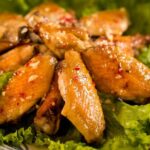
Bánh Xèo: the crispy pancake everyone wants to master
Bánh Xèo is where technique really shows. People appreciated guidance that led to a crispy, perfectly browned result. That’s important because Bánh Xèo is one of those dishes where heat control and batter timing matter a lot.
If you want a dish you’ll actually try again at home, this is a top candidate. It’s also a confidence-builder: once you nail the crisp outside, everything else feels easier.
Tam Hữu fresh roll: assembly practice with a little learning curve
You’ll make Tam Hữu fresh rolls. One review mentioned an example filling (lettuce and a small amount of beef) and noted that sometimes a roll can fall apart if it isn’t wrapped correctly or if the balance of filling to wrap is off.
That doesn’t mean you’ll fail—it means you’re learning. The real win is understanding the assembly approach so you can adapt the roll at home without stressing.
Young jackfruit salad: bright, crunchy, and a nice break from frying
You’ll also cook young jackfruit salad. Even if your technique focus is lighter here than on the pancake, it’s a great palate counterbalance to heavier cooked items.
This dish helps you see how Central Vietnam flavors balance textures: crisp, fresh, and savory in a way that keeps the meal feeling lively rather than heavy.
Da Nang avocado ice-cream (and the vegetarian version)
For dessert, you’ll make Da Nang avocado ice-cream, with a vegetarian version available. This is a smart inclusion because it teaches you that Vietnamese cooking isn’t only about savory heat and sauces.
The practical benefit: you get a sweet finish that feels connected to Da Nang, not like a generic “international dessert” added to the menu.
What you actually eat: fruits, rice vodka, lunch and dinner
The class includes lunch and dinner, plus coffee and/or tea. You also eat the meal you make together, along with fruits and rice vodka.
That matters more than it sounds. A cooking class where you leave hungry or eat an unrelated snack kind of defeats the purpose. Here, you’re meant to sit down with what you created, taste it as a group, and compare notes with your instructor.
The rice vodka part is also where the class becomes more than cooking technique. It’s a way to loosen up, ask questions, and get small insights into local life—how people eat, what they consider normal, and what foods belong together.
Vegetarian and dietary needs: flexibility, not confusion
The menu is described as flexible so the class can adjust for dietary requirements. The clearest stated option is that vegetarians can have a vegetarian version of the avocado ice-cream.
Beyond that, the approach is “adjustments by request,” which is exactly what you want if you eat in a specific way. If you have strong allergies or strict dietary rules, you’ll want to communicate clearly at booking so the kitchen can handle the menu changes smoothly.
Price and value: is $39 worth it?
At $39 per person, you’re paying for more than cooking instruction. You’re getting:
- the market trip (ingredient education before cooking),
- hands-on cooking with included tools,
- a full shared meal experience (with lunch and dinner),
- coffee/tea, fruits, and rice vodka,
- and you leave with a cookbook and certificate.
If you compare that to the cost of a regular restaurant meal plus a separate market experience plus a class, the pricing looks fair. The big value piece is the market-to-kitchen flow. It turns the food into something you understand, not just something you eat.
And it’s popular—this has been booked repeatedly recently—so it’s a good sign the format is working.
Who this class suits best (and who might not)
This is a great fit if you:
- want a hands-on cultural experience, not just watching someone cook,
- like learning by buying ingredients first,
- enjoy eating what you make,
- travel with kids who do better when an instructor can give patient, calm direction (this came up in multiple positive notes).
You might be less thrilled if you:
- dislike shared spaces and group plating moments,
- want every dish to be 100 percent individual effort from start to finish,
- get stressed when one recipe element doesn’t come out perfect on the first try.
Should you book this Da Nang market-and-cooking class?
Yes, I’d book it if you’re in Da Nang and you want your food day to mean something. The market visit at Chợ Bắc Mỹ An adds real learning, and cooking five dishes gives you a strong spread of Central Vietnam flavors and techniques—especially if you’re hoping to bring a few repeatable wins home, like mastering Bánh Xèo.
Book it a bit early in your trip too. If you go after you’ve already learned what foods you like, you’ll recognize the ingredients and dishes faster. And if you’re traveling with picky eaters or have dietary needs, the class is set up to adjust, with a specific vegetarian dessert option.
FAQ
What time should I arrive?
Arrive about 10 minutes before the start time at 07 Nguyễn Bá Lân, Bắc Mỹ An so you can begin the market visit without rushing.
Where does the cooking class start in Da Nang?
It starts at 07 Nguyễn Bá Lân, Bắc Mỹ An, Ngũ Hành Sơn, Đà Nẵng 550000, Vietnam, and it ends back at the same meeting point.
How long is the class?
The duration is about 4 hours.
What dishes will I cook?
You cook Bun Bo Hue, Bánh Xèo, Tam Hữu fresh roll, young jackfruit salad, and Da Nang avocado ice-cream (with a vegetarian version available).
Is there a vegetarian option?
Yes. The avocado ice-cream can be offered as a vegetarian version, and the menu can be adjusted for dietary requirements.
Do I eat during the class?
Yes. You share a meal that includes what you cooked, plus fruits. The experience also includes lunch and dinner, along with coffee and/or tea.
Is rice vodka included?
Yes, you enjoy the meal with rice vodka.
Is there a market trip?
Yes. Stop 1 is Chợ Bắc Mỹ An, where you learn about local products and shop for ingredients.
What’s included in the class besides the food?
Included items include cooking tools, lunch, dinner, coffee and/or tea, plus you receive a cookbook and certificate.
How does cancellation work?
Cancellation is free up to 24 hours in advance for a full refund. If you cancel within 24 hours, the amount paid is not refunded.