REVIEW · DA NANG
Da Nang Coffee Making Workshop
Book on GetYourGuide →Operated by HOI AN FOOD TOUR · Bookable on GetYourGuide
Vietnam’s coffee is its own science.
This Da Nang coffee workshop is interesting because you’re not just tasting—you’re making iconic Vietnamese drinks while learning why they taste the way they do. I like the hands-on format (you work with the tools and repeat the steps), and I also like the way the guide brings the cultural story into the process. One drawback to keep in mind: you’ll be consuming a lot of coffee, so if you’re sensitive to caffeine, plan for it.
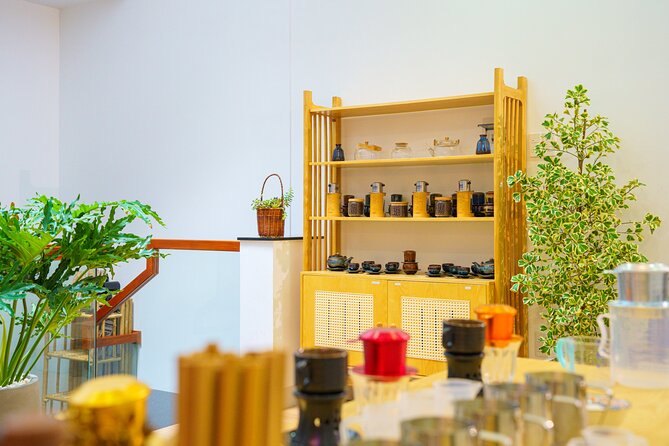
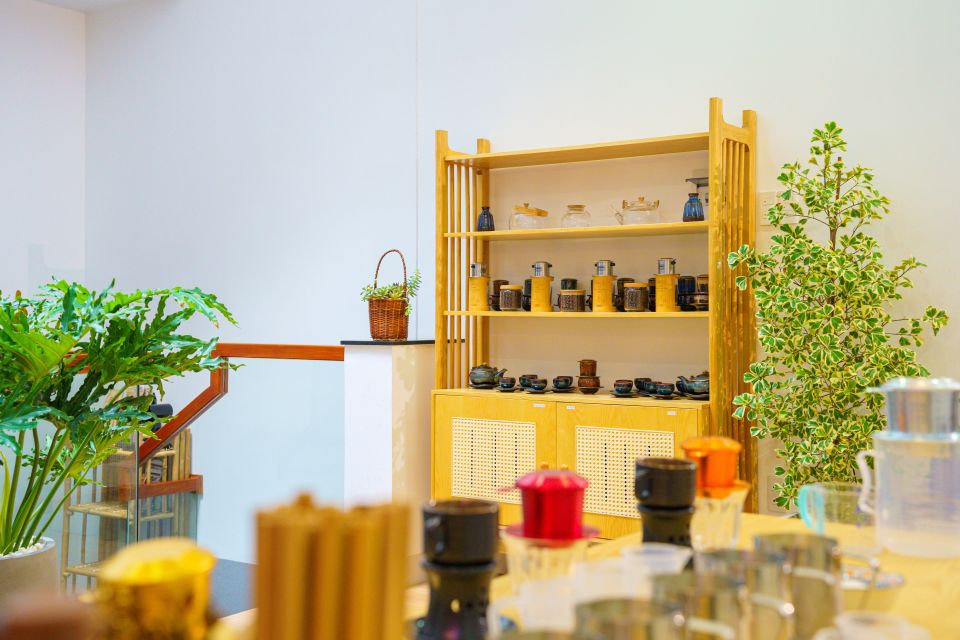
The class itself is clean and modern, and it’s designed for small groups. On top of the drinks, you get practical guidance you can use at home, including instructions in written form at the end. If you want a longer food day, the workshop also comes bundled with lunch or a cooking class.
In This Review
- Key Highlights You Should Not Skip
- Vietnamese Coffee in Da Nang: Why This Workshop Works
- Meet the Guide and the Phin: What Happens in the Room
- The Four Coffees You Learn: Egg, Salt, Coconut, and Phin
- Phin coffee (Vietnamese style drip)
- Egg coffee
- Salt coffee
- Coconut coffee
- Timing and Options: 90 Minutes vs Lunch vs Cooking Class
- Option 1: Coffee making class (about 1.5 hours)
- Option 2: Coffee making class and lunch (about 2.5 hours)
- Option 3: Coffee making and cooking class (about 4 hours)
- Lunch Menus That Pair Well With Coffee
- Price and Value: What $17 Buys You in Real Terms
- Practical Tips Before You Go (So You Enjoy It More)
- Who This Coffee Workshop Is Best For
- Should You Book Da Nang’s Coffee Making Workshop?
- FAQ
- What types of Vietnamese coffee will I learn to make?
- How long is the workshop?
- What are the different options available?
- What times do the classes start?
- Is an English-speaking guide included?
- Is lunch included, and what food is served?
- Do they pick me up or drop me off?
- Is the workshop suitable if I have dietary restrictions?
- Is there free cancellation?
Key Highlights You Should Not Skip
- Egg coffee, salt coffee, coconut coffee, and phin coffee: classic Vietnamese flavors you can recreate later
- An English guide named Jane who teaches clearly and keeps the mood fun
- Clean, modern space with top-notch tools so you’re not fighting equipment
- Make-and-taste pacing that works even if you’re not a coffee expert
- Option to add lunch or cooking for a fuller Da Nang food morning
Vietnamese Coffee in Da Nang: Why This Workshop Works
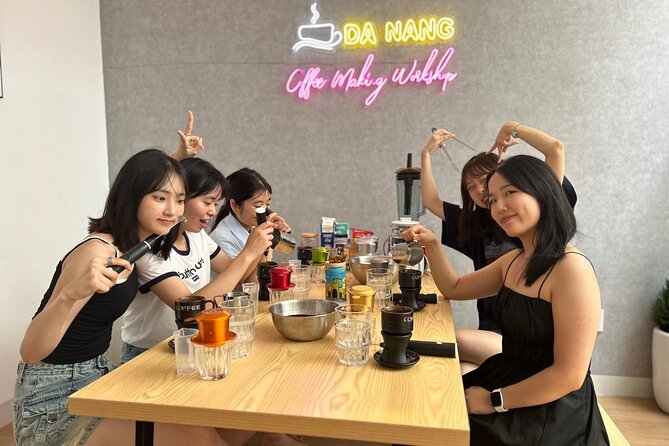
If you’ve had Vietnamese coffee before, you probably remember one thing: it’s bold, sweet, creamy, and sometimes wildly different from what you’re used to. This workshop is a good fit because it explains the “why” while you’re actually doing the “how.”
Vietnamese coffee lives in a world of contrasts. It can be robust and smooth at the same time. It can taste creamy without being a fancy café trick. And it often leans on methods and ingredients that look odd at first—until you try them side-by-side. That’s what makes this experience useful, not just fun: you get a mini comparison lab for Vietnamese style coffee.
Two parts tend to make or break a class like this. First, the guide has to make the steps simple enough to follow. Second, you need to taste what you’re making right away so the lesson sticks. Here, both are handled well, especially with the English-speaking guide Jane and the overall organized flow of the session.
One more practical point: it’s in Da Nang, so it’s an easy “hang out and learn” activity that fits neatly into a sightseeing day—or saves you from a rainy afternoon without becoming boring.
You can also read our reviews of more tours and experiences in Da Nang

Meet the Guide and the Phin: What Happens in the Room
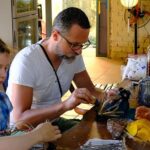
You’ll start with the basics: how Vietnamese coffee equipment works, how to prepare the coffee, and what to watch for during brewing. The tools are included, and the setup is kept clean, so you can focus on the drink instead of worrying about mess or confusion.
In many sessions, the guide walks you through each step and then turns you loose to make the drinks yourself. Jane is known for being funny and patient, which matters because egg coffee and salt coffee can feel intimidating if you’ve never made anything like them. The teaching style stays clear, and the pacing is friendly for mixed levels—whether you’re a total coffee newbie or someone who already owns a home brewer.
You’ll also get an extra payoff at the end: a PDF-style set of instructions. That’s a big deal for value, because it means the class doesn’t fade the moment you return to your hotel. You can actually replicate the recipes at home.
The Four Coffees You Learn: Egg, Salt, Coconut, and Phin

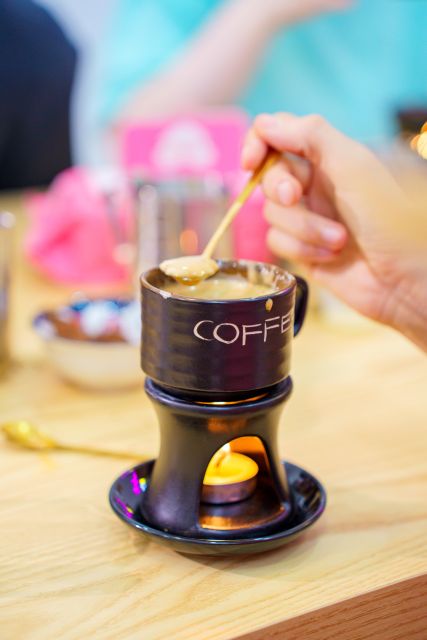
This is the core of the workshop: you learn to make multiple Vietnamese coffees, including egg coffee, salt coffee, coconut coffee, and phin coffee. These aren’t random “flavored coffees.” They each teach a different approach to flavor and texture.
Phin coffee (Vietnamese style drip)
Phin coffee is the foundation. It’s made using the phin filter, which slows down the brew and encourages a stronger, thicker style. Even if you’ve never used a phin before, this part is where you understand the backbone of Vietnamese coffee.
A good sign here: the class usually starts with the straightforward brew concept, so you’re not thrown immediately into the most unusual recipes.
Egg coffee
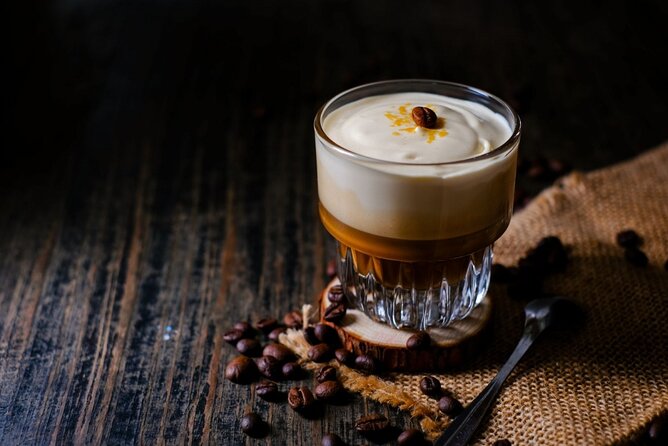
Egg coffee is one of Vietnam’s most famous creations. The workshop shows you how the egg component changes texture, giving the drink a creamy, custard-like feel without turning it into something purely dessert-like.
The big takeaway isn’t just the recipe—it’s learning what to aim for in the mixture so you get the right balance of smoothness and sweetness.
You can also read our reviews of more tours and experiences in Da Nang

Salt coffee
Salt coffee is the surprise favorite for a lot of people because it sounds strange. The idea is simple: a touch of salt can sharpen the flavor and make the sweetness feel more balanced instead of flat.
The workshop teaches the method so you taste the difference rather than guessing. This is the kind of coffee you’ll talk about later because it breaks the usual sweet-coffee rules.
Coconut coffee
Coconut coffee adds another texture layer. You get a version of Vietnamese creaminess that doesn’t depend on the same flavor profile as egg coffee. It’s a great counterpoint, especially if you like your coffee creamy but not necessarily egg-forward.
Also note: the class menu includes eggs and milks, so this is a straightforward heads-up for anyone with allergies or dietary limits.
Timing and Options: 90 Minutes vs Lunch vs Cooking Class
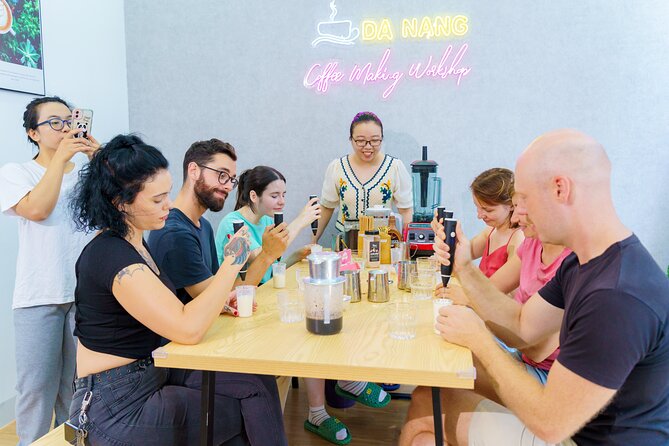
The workshop comes in different formats, and that affects what you’ll get out of the day.
Option 1: Coffee making class (about 1.5 hours)
Meet-up times are listed as 10:00 am, 1:00 pm, and 3:30 pm. This is the fastest way to get the experience: learn the core coffees and enjoy what you make without turning your day into a long food mission.
In the shorter sessions, you still get plenty of coffee. In fact, some guests note that it can feel like the equivalent of multiple espresso shots if you drink everything. If you’re doing this after a late breakfast, you’ll probably be fine. If you’re sensitive to caffeine, come prepared.
Option 2: Coffee making class and lunch (about 2.5 hours)
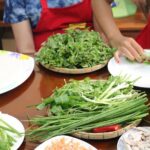
Meet-up times are 12:00 noon and 2:30 pm. Here, lunch happens before the coffee making. The lunch menu includes:
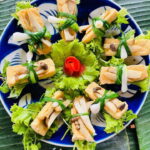
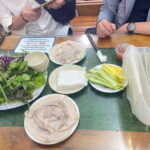
- Fresh spring rolls
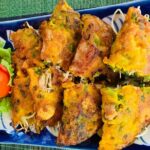
- Crispy Vietnamese pancakes
- Mango salad with shrimp and pork
A vegetarian option is available. This is a good choice if you want the coffee workshop but also need a proper meal to slow down caffeine and keep your energy steady.
Option 3: Coffee making and cooking class (about 4 hours)
Meet-up time is 9:30 am. This option turns the morning into a bigger food lesson. Cooking choices depend on the day:
- Mon, Wed, Fri: Quang noodles; fish sauce chicken wing; green papaya salad with shrimp; deep-fried spring rolls
- Tue, Thu, Sat, Sun: Beef noodle soup (pho); crispy Vietnamese pancakes (banh xeo); green mango salad with shrimp; fresh spring roll
Then you end up back at coffee making. This format is for you if you want hands-on Vietnamese cooking skills, not just a drink lesson.
Lunch Menus That Pair Well With Coffee
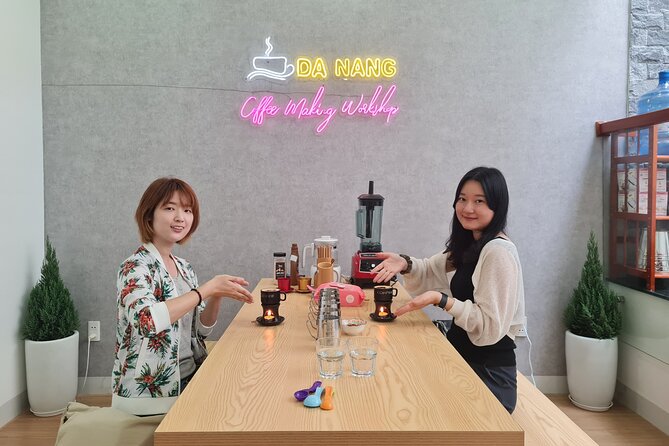
Food and coffee are best when they support each other. In the 2.5-hour package, lunch is built from recognizable Vietnamese flavors that also handle strong coffee well—fresh, tangy, and crunchy, rather than heavy.
That matters because coffee here can be sweet and intense. If you’re the type who usually drinks coffee black, you’ll still get something worth tasting; if you like creamy drinks, the menu will keep your palate from getting overwhelmed.
And if you have dietary needs, the data you have is limited—but there is at least one specific note: a participant mentioned the guide made an alternative for lactose intolerance. So if you’re dealing with dairy issues, it’s smart to flag it in advance.
Price and Value: What $17 Buys You in Real Terms
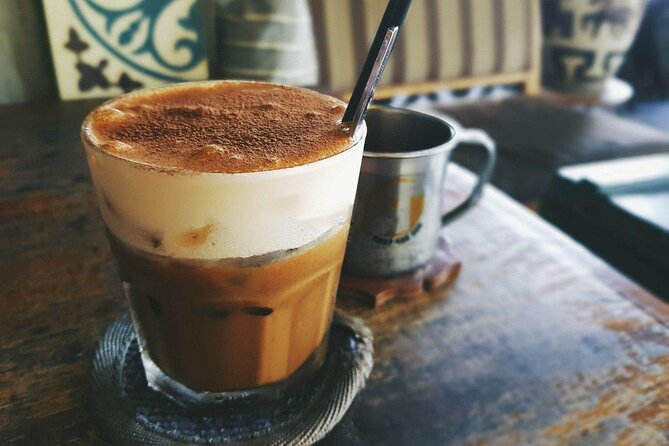
The listed price is $17 per person, and for many people this feels like a fair deal because you’re not paying for a cup. You’re paying for:
- tools and guided technique
- instruction in multiple Vietnamese coffee styles
- an English-speaking guide
- and time spent learning how the method works, not just eating the result
Value goes up if you care about recreating flavors at home. The PDF-style instructions and the fact that you’re making several drinks yourself mean you can turn this into a repeatable experience. You’re also saving money versus paying café prices for a whole flight of specialty Vietnamese coffee drinks—especially the more unusual ones like salt coffee.
The other side of value is timing. In the 90-minute format, you’ll likely drink quite a bit if you finish what you make. That’s not a financial issue, but it is an “how do I feel after” factor.
Practical Tips Before You Go (So You Enjoy It More)
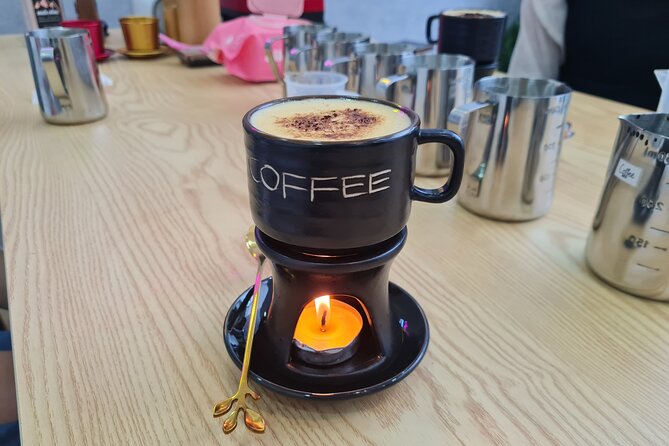
A few smart moves can make this workshop smoother.
- Don’t arrive empty-handed if caffeine hits you hard. One guest pointed out that finishing everything can be like several espresso shots. Eating first makes the experience more fun.
- Ask questions while you’re doing each step, not after. If something feels off—like texture or sweetness—you can correct it while you’re still in the process.
- If you need dairy alternatives, tell the guide ahead of time. The workshop involves eggs and milk, but there’s at least one documented case where the guide adjusted for lactose intolerance.
- Use the end PDF. It’s the easiest way to keep the workshop from becoming a memory-only event.
Also, there’s no pickup or drop-off included. That doesn’t make it worse, just plan your own way there so you’re not scrambling right before class.
Who This Coffee Workshop Is Best For
This workshop is ideal if:
- you’re a coffee person or you love trying food methods, not just flavors
- you want something authentic in Da Nang without a full-day commitment
- you’re traveling with a mix of experience levels and want a small-group setting
It’s especially good for rainy days or slower afternoons because it feels like an activity with structure, but it still has a social, hands-on vibe thanks to the guide style.
If you’re allergic to eggs or milk, this is trickier. The menu includes both eggs and milks, so you’ll want to check whether adaptations are possible before you book.
Should You Book Da Nang’s Coffee Making Workshop?
I’d book it if you want a practical, hands-on Vietnamese coffee lesson that actually ends with recipes you can use again. For $17, the combination of multiple coffee styles, included tools, and an English-speaking guide makes it a strong value, especially if you’re the type who likes to learn a technique you can take home.
Skip it (or ask extra questions first) if you’re very sensitive to caffeine, have strict egg/milk allergies, or you’re not interested in making drinks—because the point of this experience is the process, not just sampling.
If you can manage your expectations—plan for coffee intensity, eat beforehand, and bring your curiosity—this is one of those Da Nang activities that turns into a real skill, not just a photo.
FAQ
What types of Vietnamese coffee will I learn to make?
You’ll learn to make four types of Vietnamese coffees: egg coffee, salt coffee, coconut coffee, and phin coffee.
How long is the workshop?
The experience runs from 90 minutes to 5 hours, depending on which option you choose.
What are the different options available?
There are three options:
- Coffee making class (about 1.5 hours)
- Coffee making class and lunch (about 2.5 hours)
- Coffee making and cooking class (about 4 hours)
What times do the classes start?
Meet-up times listed are:
- Option 1: 10.00 am, 1.00 pm, or 3.30 pm
- Option 2: 12.00 noon or 2.30 pm
- Option 3: 9.30 am
Is an English-speaking guide included?
Yes. The instructor/guide is English speaking.
Is lunch included, and what food is served?
Lunch is included only with the package that combines coffee making and lunch. The menu includes fresh spring rolls, crispy Vietnamese pancakes, and mango salad with shrimp and pork. A vegetarian option is available.
Do they pick me up or drop me off?
No. Pick up and drop off are not included.
Is the workshop suitable if I have dietary restrictions?
The menu contains eggs and milks. If you need an alternative, you should confirm with the operator before you go.
Is there free cancellation?
Yes. You can cancel up to 24 hours in advance for a full refund.