REVIEW · DA NANG
Da Nang Coffee Making and Banh Mi Class
Book on Viator →Operated by Jolie Danang Cooking Class · Bookable on Viator
Coffee with a hands-on twist. In Da Nang, this class pairs Vietnamese coffee with banh mi building in a relaxed setting near the Dragon Bridge, and you leave with a cup you made and a sandwich you assembled. I especially like the small-group feel and the fact that the session is taught step-by-step by friendly hosts (Hanna gets named often), and I also like that you’re not just eating—you’re making choices about flavors as you go. One consideration: there’s no pick-up or drop-off, so you’ll need to get yourself to Jolie Cooking Class on your own.
You’ll start by meeting your host at Jolie Cooking Class at 14 An Trung Đông 6, An Hải Bắc, Sơn Trà, Đà Nẵng 55000, then settle into a hands-on, cozy local space. Expect coffee brewing first, then banh mi fillings and assembly, and finally tasting what you made together. It’s a practical, social experience that also works well for families—one highlight from the class is how well the instructors handle teens and even younger kids.
In This Review
- Key Things I’d Prioritize in This Class
- Near Dragon Bridge: A 3.5-Hour Food Class With a Real Purpose
- What You’ll Make: Vietnamese Coffee + Banh Mi You Assemble
- Coffee Time: How Traditional Vietnamese Brewing Becomes Understandable
- Banh Mi Assembly: Building Fillings Around Flavor Balance
- The Jolie Cooking Class Vibe: Cozy, Friendly, and Built for Small Groups
- Price and Value: Why $35 Makes Sense for What You Get
- Timing and Getting There: Planning Around the No Pick-Up Rule
- Who This Class Is Best For (and Who Might Want Something Else)
- Quick Tips for Getting the Most Out of Your Banh Mi and Coffee Lesson
- Should You Book the Da Nang Coffee Making and Banh Mi Class?
- FAQ
- How long is the Da Nang Coffee Making and Banh Mi class?
- Where does the class meet?
- Is pick-up or drop-off included?
- What is included in the ticket price?
- How many people are in the group?
- What will I learn to do during the class?
- Is there a tasting at the end?
- Is the meeting point near public transportation?
- How much does it cost?
- Is free cancellation available?
Key Things I’d Prioritize in This Class
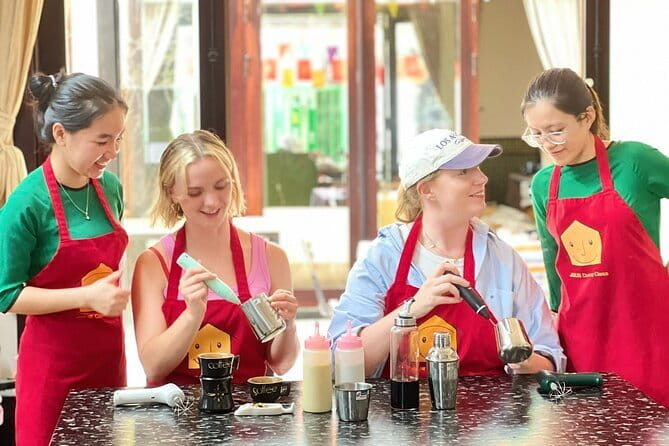
- Small-group size (max 12): more hands-on attention and easier conversation while you cook
- Coffee first, then banh mi: you learn one local rhythm, then immediately apply it to a classic sandwich
- Flavor balance in the banh mi fillings: you assemble using prepared bread and fillings you work with during the class
- Tasting at the end: your final coffee and banh mi aren’t just food samples—they’re the results of your own work
- Real local-family hosting: the vibe is relaxed and friendly, not rushed or overly formal
- Instructor Hanna is repeatedly praised: especially for patience and clarity
Near Dragon Bridge: A 3.5-Hour Food Class With a Real Purpose
This is the kind of tour that fits perfectly between sightseeing blocks. You’re based near Da Nang’s Dragon Bridge, but the real draw is what happens once you sit down: Vietnamese coffee and banh mi turn into something you can actually reproduce later, not just something you eat once.
The class runs about 3 hours 30 minutes, and the pace is built around doing. You’ll brew coffee, handle ingredients, and assemble banh mi fillings step by step. That matters in a place like Da Nang, where it’s easy to spend an afternoon bouncing between markets and cafes—but not necessarily learning anything you can take home.
Your group stays small, with a maximum of 12 people, which is ideal if you want questions answered in plain language. It’s also a good format if you’re traveling with kids or teens, because the structure is straightforward: make coffee, prepare fillings, assemble, taste.
The only real “watch this” item is the logistics: no pick-up or drop-off. If you’re staying far from the meeting area, plan your trip time accordingly.
You can also read our reviews of more tours and experiences in Da Nang

What You’ll Make: Vietnamese Coffee + Banh Mi You Assemble
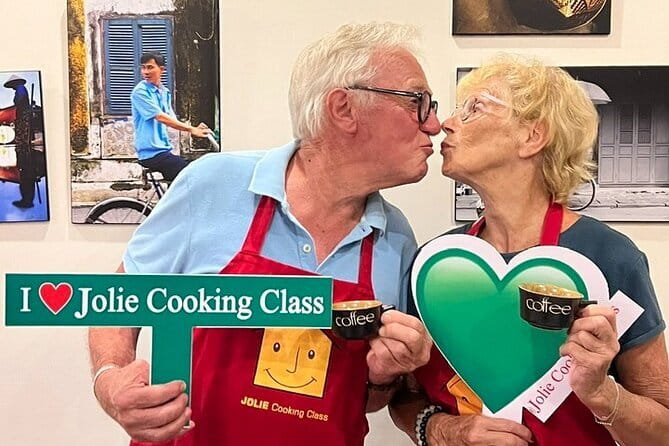
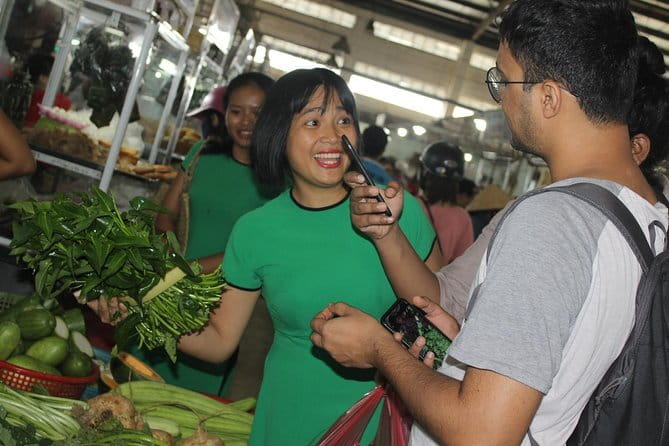
The class is built around two iconic foods that work together in a surprisingly satisfying way. First you learn Vietnamese coffee, then you jump into banh mi fillings and sandwich assembly. You’re not just passively watching. You’ll handle ingredients and equipment, then put everything together yourself.
Here’s the simple framework you’ll follow:
1) Brew and taste Vietnamese coffee
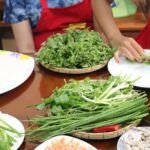
2) Prepare banh mi fillings (learn what balances what)
3) Assemble your sandwich using prepared bread
4) Eat your banh mi and drink your coffee
All ingredients and cooking equipment are provided. That’s a big deal for value. You’re paying for skills and for the supplies you’d otherwise have to buy (or hunt down) on your own.
It also keeps the class from feeling like a gimmick. Coffee and banh mi aren’t random “two food stops.” They’re the backbone of Vietnamese everyday eating, and you get a feel for how people build flavor using straightforward components.
Coffee Time: How Traditional Vietnamese Brewing Becomes Understandable
Vietnamese coffee has a reputation for being intense—strong, aromatic, often sweet—but the class helps you turn that mystery into something repeatable.
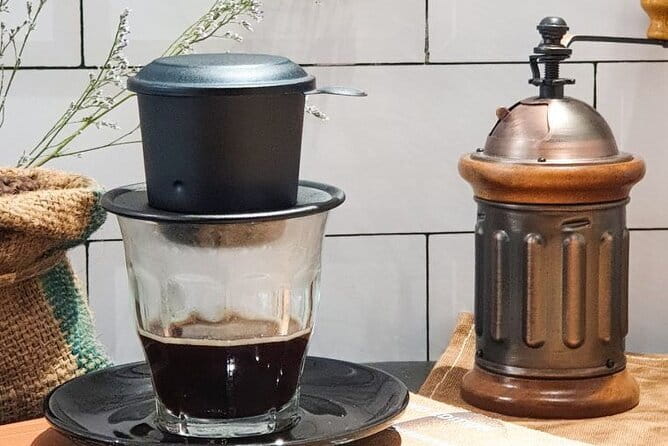
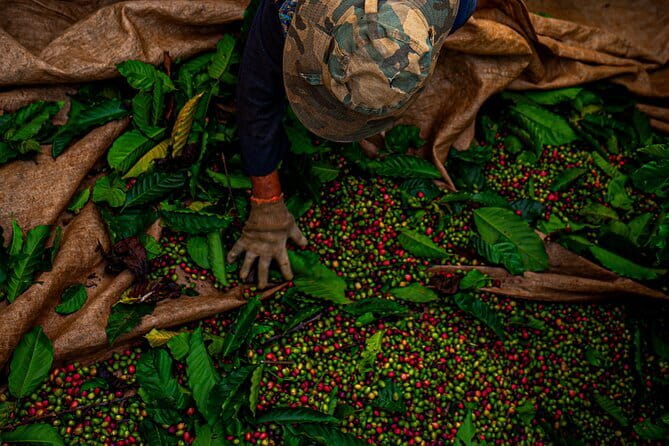
You start with a Vietnamese coffee-making session, where you’ll learn how to brew using classic local methods. Then you taste what you made. The tasting piece matters because it forces your brain to connect the steps you did with the final cup.
This is also where you may run into specific local favorites mentioned by guests. One common highlight includes coconut coffee and Vietnamese salted coffee. Even if you’re not ordering those exact styles in cafés back home, tasting variations in the same coffee-building universe helps you understand what’s changing: sweetness, texture, and how flavors carry.
What I like about this coffee segment is that it’s not just about the drink. It’s about the method and the logic behind it. When you learn the brew approach, you can adjust later—stronger, sweeter, more or less intense—without guessing.
Practical tip: wear sleeves you don’t mind getting coffee-scented. You’re working with a hot brewing process and food prep energy, so comfort beats “pretty outfit” here.
Banh Mi Assembly: Building Fillings Around Flavor Balance
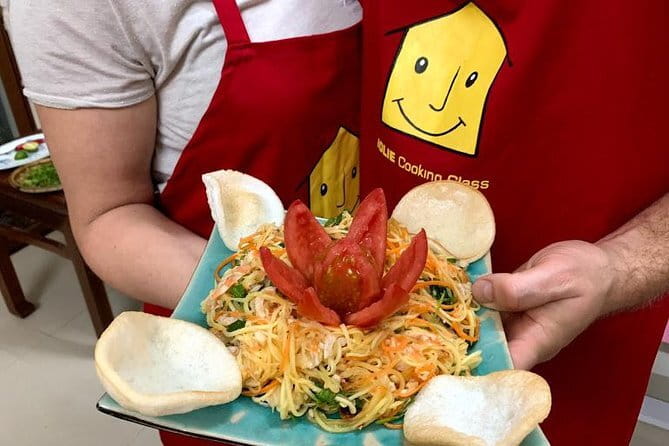
After coffee, you switch gears to banh mi. This part is hands-on in a way that’s genuinely fun, because you’re assembling a sandwich rather than following a rigid script.
You’ll prepare banh mi fillings, working with key ingredients and learning how flavors balance in a typical Vietnamese sandwich. Then you assemble your banh mi using prepared bread. That means you don’t need to fuss with dough or baking; the focus stays on the fillings and the assembly choices.
The practical value here is that fillings are where banh mi becomes personal. Some people want more savory depth. Others prefer brighter, tangier notes. Even within the same class framework, the way you assemble changes the bite.
You’ll also get a better sense of why banh mi tastes the way it does: it’s not one “magic ingredient,” it’s the combination. This class helps you understand the concept by letting you build the combination yourself, then eat it immediately.
Tasting at the end ties everything together. You’ll be able to connect your coffee style with your sandwich style, which is a very Vietnamese way to experience the meal.
The Jolie Cooking Class Vibe: Cozy, Friendly, and Built for Small Groups
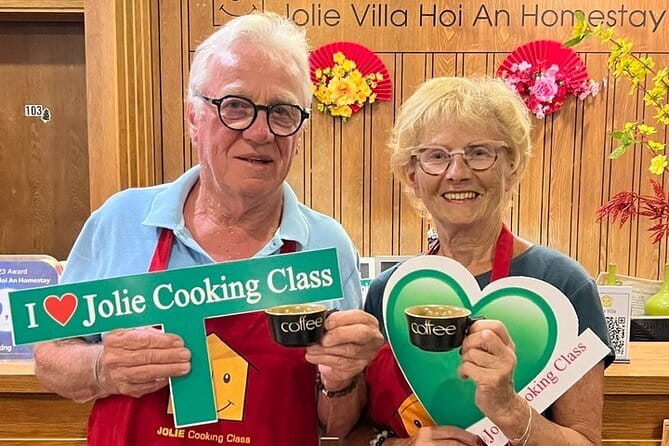
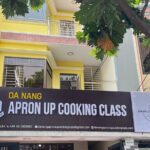
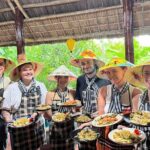
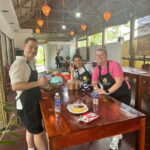
This experience takes place at Jolie Cooking Class near the Dragon Bridge, in a cozy local space. The hosting style is described as friendly and family-like, which you’ll feel quickly once you start cooking.
The group size—up to 12 people—is part of why the vibe works. In big cooking demonstrations, you mostly watch. Here, you get time and space to participate. You can ask questions, clarify steps, and get feedback while you’re doing it, which is what turns a fun afternoon into real learning.
Hanna is a name that shows up clearly in guest feedback, with emphasis on patience and how clearly instructions land. That’s exactly what you want in a class format—especially if you’re traveling with kids or teens.
One extra plus: this is the sort of activity that doesn’t require culinary confidence. You don’t have to be a food expert. You just follow steps, then make a few choices about assembly and taste.
You can also read our reviews of more tours and experiences in Da Nang
Price and Value: Why $35 Makes Sense for What You Get
At $35 per person for about 3.5 hours, you’re paying for more than a meal. You’re paying for:
- A guided coffee brewing lesson
- Hands-on banh mi fillings prep
- Sandwich assembly using prepared bread
- Ingredients and equipment
- Coffee and banh mi tasting
- A small-group setting
That combination is the key to the value. If you tried to copy this on your own, you’d spend time figuring out which coffee setup to buy, sourcing ingredients, and working out the sequence. Here, you skip the trial-and-error and focus on the skill.
There’s also an efficiency benefit. You’re doing two “food culture” experiences in one block of time. You’re not juggling multiple tour stops, and you’re not spending all afternoon in one place with nothing but eating.
If you care about getting a taste of local life—not just a restaurant meal—this price can feel very fair.
Timing and Getting There: Planning Around the No Pick-Up Rule
Because pick up and drop off aren’t included, I’d treat this like an activity you schedule around your existing location. The meeting point is:
14 An Trung Đông 6, An Hải Bắc, Sơn Trà, Đà Nẵng 55000, Vietnam
It’s also noted as being near public transportation, which helps. Translation: you’re more likely to be able to reach it without a complicated ride plan.
Since the class is about 3.5 hours, it’s best slotted into an afternoon block where you’re already in the Dragon Bridge area or willing to make a short trip. The good news is you’re not committing to a full-day tour. You’ll be back out enjoying Da Nang afterward with full bellies and a coffee skill in your pocket.
Who This Class Is Best For (and Who Might Want Something Else)
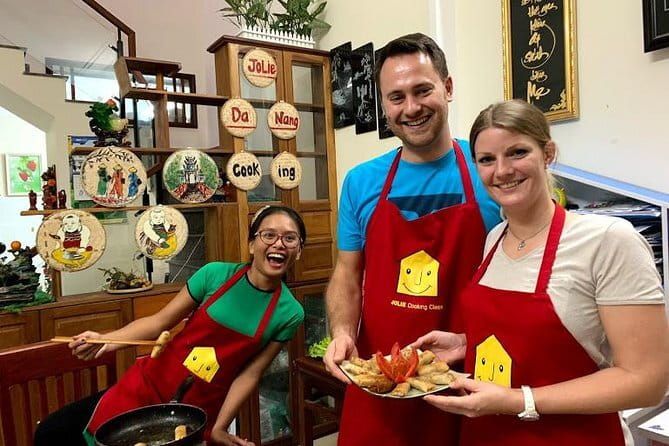
This experience is a strong fit if you want a casual, hands-on food lesson with real participation. It’s especially good for:
- Couples who want one shared activity that ends with a meal
- Families with kids or teens (the class structure works well for mixed ages)
- People who like food culture but don’t want a stiff, overly serious class
- Coffee fans who want to learn local method, not just order a drink
You might want to choose something different if you prefer strictly sightseeing-focused tours or if you don’t want any cooking/assembly at all. This is an active class, not a sit-and-watch tasting-only experience.
Quick Tips for Getting the Most Out of Your Banh Mi and Coffee Lesson
You’ll enjoy it more if you go in ready to do the work. A few small things help:
- Bring a curious mindset. The instructions are built around learning how flavors connect.
- Expect to taste at the end, not just at the start. Plan your meals so you aren’t too full beforehand.
- Dress for comfort. You’ll be handling ingredients, and it’s an easy way to get that “cooking class smell” on clothes.
- If you’re coming with kids or teens, the structured steps make it easier for them to stay engaged—especially with patient teaching.
Should You Book the Da Nang Coffee Making and Banh Mi Class?
If you want a practical, social, hands-on way to experience Da Nang beyond the usual restaurant rounds, book it. The combo of Vietnamese coffee brewing plus banh mi fillings and assembly is exactly the kind of activity that sticks with you. You leave with food you made, a clearer sense of flavor balance, and a skill you can use again later.
Skip it only if getting to the meeting point on your own is a hassle, or if you’d rather spend your time on more “see everything” sightseeing. For many people, though, this is one of the easiest ways to turn an afternoon near Dragon Bridge into something you actually learn from.
FAQ
How long is the Da Nang Coffee Making and Banh Mi class?
The class lasts about 3 hours 30 minutes.
Where does the class meet?
You meet at 14 An Trung Đông 6, An Hải Bắc, Sơn Trà, Đà Nẵng 55000, Vietnam (Jolie Cooking Class near the Dragon Bridge).
Is pick-up or drop-off included?
No. Pick up and drop off are not included.
What is included in the ticket price?
The experience includes a coffee making session, banh mi fillings and sandwich assembly, ingredients and equipment, and a coffee and banh mi tasting, plus a small-group class.
How many people are in the group?
The class has a maximum of 12 travelers.
What will I learn to do during the class?
You’ll learn how to brew Vietnamese coffee and then prepare banh mi fillings and assemble a banh mi using prepared bread.
Is there a tasting at the end?
Yes. At the end, you enjoy the coffee and banh mi you prepared together.
Is the meeting point near public transportation?
Yes, it’s noted as being near public transportation.
How much does it cost?
It costs $35.00 per person.
Is free cancellation available?
Yes. You can cancel up to 24 hours in advance for a full refund.