REVIEW · DA NANG
Coffee Making and Cooking Class
Book on Viator →Operated by Da Nang Food Tour · Bookable on Viator
Four dishes and Vietnamese coffee in one sit-down. This Da Nang experience is interesting because you do the work yourself: hands-on cooking at your own station, then coffee brewing the traditional way with a phin filter. I like that it is practical, not just a meal and a show—you learn techniques you can repeat.
I also like the coffee menu and the fact that you build skills, not just taste. You’ll make egg coffee, salt coffee, coconut coffee, and phin coffee, and the coffee portion can include a simple history lesson that helps the drinks make sense. One thing to double-check: the tour description mentions hotel pickup/drop-off, but the detailed inclusions list pickup/drop-off as not included, so confirm before you rely on it.
In This Review
- Key points at a glance
- A Home-Style Da Nang Meal With Four Dishes
- What You Actually Cook: Papaya Salad, Fish Sauce Chicken, Spring Rolls, and One More
- Why this dish mix is good training
- The Classroom Setup: Demonstrations, Tasting, and Your Own Station
- A practical note on timing and energy
- Vietnamese Coffee With the Phin Filter: Four Drinks, One Method
- The four coffee drinks you’ll make
- Coffee history that helps the flavors click
- What You Take Home: Recipes and Skills That Work Beyond the Course
- If you want to cook with fewer ingredients
- Price and Logistics: Is $17 Worth It?
- The one logistics detail to confirm
- Who This Class Fits Best (and When It Might Not)
- Small Group, English Support, and a Host-Friendly Feel
- Should You Book This Coffee and Cooking Class in Da Nang?
- FAQ
- How long is the cooking and coffee class?
- What dishes will I cook during the class?
- What Vietnamese coffee drinks are included?
- Is hotel pickup and drop-off included?
- Can you accommodate food allergies or preferences?
- Can I book only the cooking class or only the coffee making class?
Key points at a glance
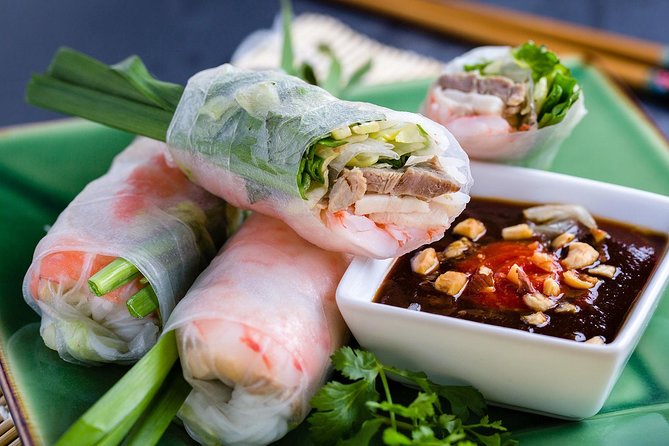
- Four Vietnamese dishes, prepared step-by-step and then eaten as a homemade lunch
- Phin filter brewing lesson, with instruction you can copy at home
- Four famous coffee drinks: egg, salt, coconut, and phin coffee
- Small group size (up to 13), so the English-speaking guide can actually help
- Food allergy or preference adjustments are possible if you email in advance
- Choose cooking-only or coffee-only if 4.5 hours feels like too much
A Home-Style Da Nang Meal With Four Dishes
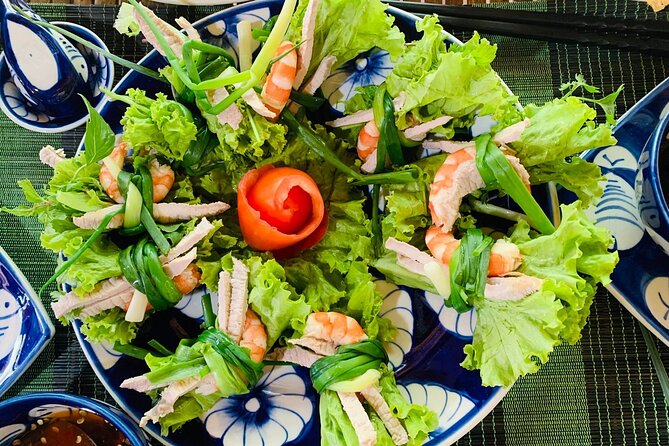
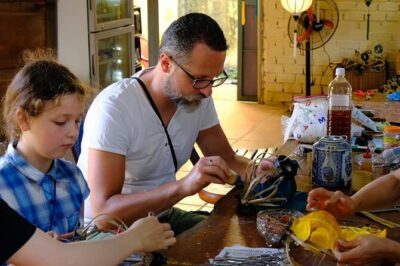
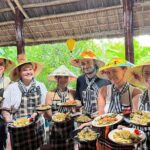
If you’re in Da Nang and you want more than another restaurant meal, this class is built for skill-building. It’s a home-style cooking experience where you practice techniques, cook, and then eat what you made. That flow matters, because you don’t just observe flavor—you learn how ingredients behave and how seasoning choices change the dish.
The day starts with a welcome tea, which keeps things relaxed and grounded. Then you move into the cooking portion right away, with a demonstration and tastings before you start cooking at your station.
The whole experience runs about 4 hours 30 minutes, which is a sweet spot. It’s long enough to feel like a real class, but not so long that it wrecks your entire afternoon.
You can also read our reviews of more cooking classes in Da Nang
What You Actually Cook: Papaya Salad, Fish Sauce Chicken, Spring Rolls, and One More
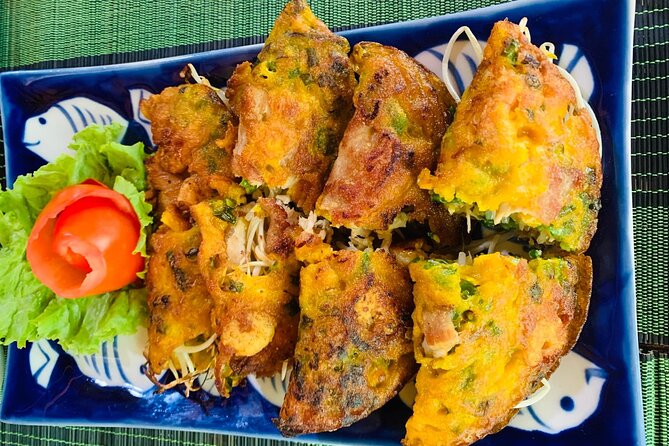
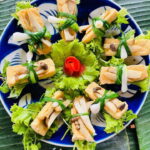
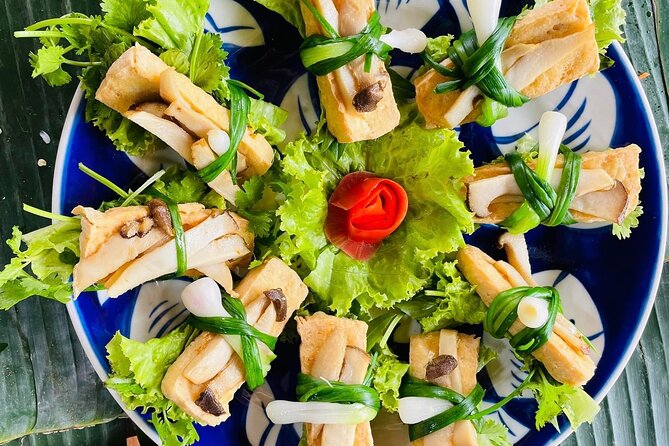
The food section is hands-on and focused on classic Vietnamese dishes. You’ll prepare and cook multiple items, including young papaya salad, chicken with fish sauce, and deep-fried spring rolls. Those three are a smart mix because they represent different flavors and textures: crunchy, savory, and crispy.
You’ll also cook a fourth classic dish, but the exact name isn’t specified in the details I have here. The good news is that the class is described as using seasonal ingredients, so the menu is meant to feel current rather than generic.
Why this dish mix is good training
If you’re hoping to bring Vietnamese cooking home, this set covers key building blocks:
- Balancing sweet-sour-salty (papaya salad style seasoning)
- Using fish sauce properly (the backbone of many Vietnamese flavors)
- Getting fried textures right (spring rolls need timing and temperature control)
And even if your comfort level with Vietnamese ingredients is new, you’re guided step-by-step. That structure helps you avoid the common problem of cooking at home later with the wrong amounts or the wrong order.
The Classroom Setup: Demonstrations, Tasting, and Your Own Station
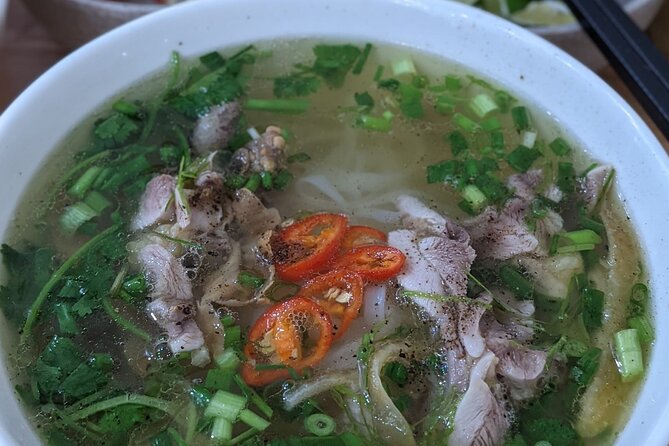
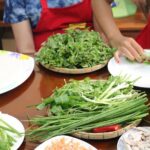
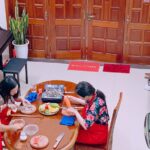
This is a real cooking class, not a lecture with appetizers. The format is: demonstration plus tasting samples, then you cook at your personal station while the instructor guides you recipe step-by-step.
That matters because Vietnamese cooking has a lot of “small moves” that change everything—how you prep, when you add seasoning, and when you stop cooking. The class is designed so you can copy those moves the next time you cook.
You’ll also learn with Vietnamese secret cooking techniques mentioned in the description. Even if you don’t fully know Vietnamese cooking jargon, the step-by-step help fills in the gaps. The end goal is simple: you leave with easy recipes and techniques you can repeat for friends and family.
A practical note on timing and energy
Because you’re cooking for real, you’ll likely spend portions of the session standing, chopping, and frying. If you have limited mobility or don’t like active classes, consider that upfront. On the other hand, the small group format (maximum 13) usually keeps things orderly.
You can also read our reviews of more tours and experiences in Da Nang
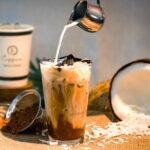
Vietnamese Coffee With the Phin Filter: Four Drinks, One Method
After your homemade lunch, the class shifts from food to coffee. This part is a standout for anyone who actually likes Vietnamese coffee, because you’re taught how to brew using the phin filter, the iconic metal drip filter you see everywhere in Vietnam.
That brewing lesson is more valuable than it sounds. Many coffee drinkers know the taste, but not the method. Once you understand how the filter works—how coffee drips slowly and how strength develops—you can make more consistent cups later.
The four coffee drinks you’ll make
You’ll learn to make four of Vietnam’s most famous coffee drinks:
- Egg coffee
- Salt coffee
- Coconut coffee
- Phin coffee
And yes, phin coffee is included, which is smart. It gives you a reference point so you can understand what changes when you add egg, salt, or coconut.
Coffee history that helps the flavors click
One of the praised parts of this experience is that the coffee portion includes a history lesson across Vietnam. That sort of background can turn “I like this” into “I get why this tastes like it tastes.” It’s also a nice break from pure technique when you’ve been cooking for hours.
What You Take Home: Recipes and Skills That Work Beyond the Course
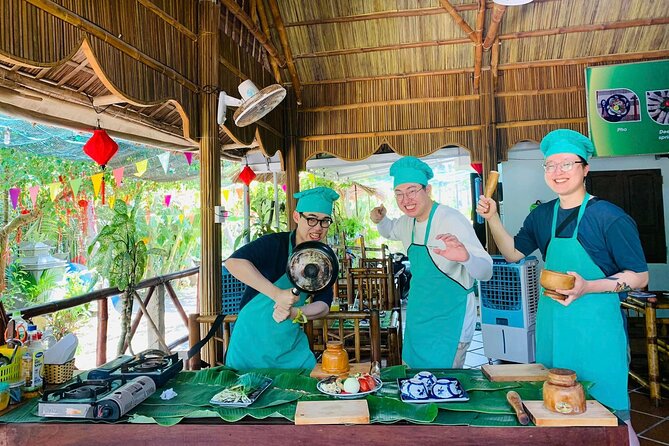
The class is built around the idea that you’ll leave with more than memories. You’ll take home recipes and techniques to share with friends and family, which is exactly what makes this feel like a learning experience instead of a one-time meal.
If you’ve ever tried to recreate a restaurant dish later and ended up guessing, that’s the problem this class tries to solve. Step-by-step guidance plus tasting while you learn helps you understand what “correct” looks and tastes like.
If you want to cook with fewer ingredients
Even without knowing every Vietnamese pantry item yet, you can still use the core lessons:
- how fish sauce fits into seasoning
- how to get the right balance for papaya salad style flavors
- how to manage frying for spring rolls
Then you can fill in ingredient details gradually after your trip.
Price and Logistics: Is $17 Worth It?
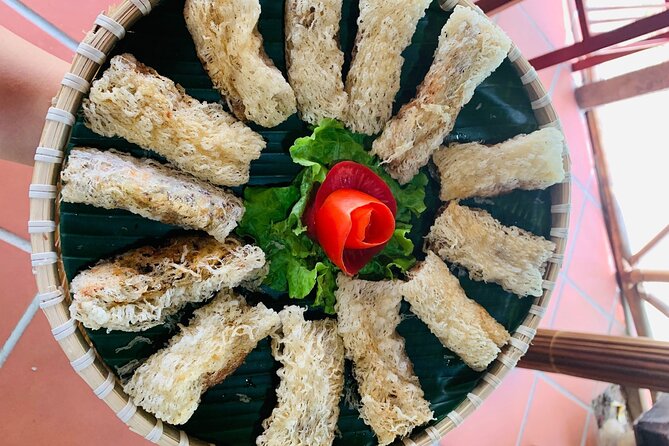
At $17 per person for about 4.5 hours, this sits in the “great value” range if you’re looking for a hands-on cultural experience. You get:
- a cooking class
- instruction from an English-speaking guide
- a tea welcome drink
- making four coffees
- plus eating what you cook
That’s a lot packed into one session, especially when the coffee portion teaches technique with the phin filter, not just one drink.
The one logistics detail to confirm
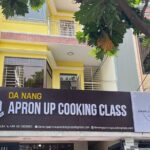
Pickup/drop-off is where you should be careful. The overview says hassle-free hotel pickup and drop-off are included, but the details provided list pick up and drop off as not included. Before you book, confirm what you’re actually getting. If pickup isn’t included, you’ll want to plan how to reach the meeting point at Da Nang Home Cooking Class, 146 Đ. Đoàn Khuê, Khuê Mỹ, Ngũ Hành Sơn, Đà Nẵng, Vietnam.
Also note tips aren’t included, so you should budget a little for that if you feel like it.
Who This Class Fits Best (and When It Might Not)
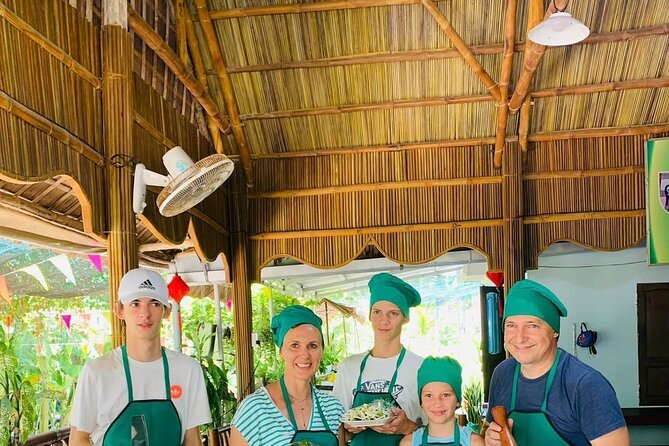
This is best for you if:
- you want a Da Nang cooking class where you actually cook at your station
- you love Vietnamese coffee and want to learn phin filter brewing
- you’d rather take home recipes and techniques than just take photos
- you need an activity that’s friendly for small groups (maximum 13)
It may not be perfect if:
- you want a totally passive experience with lots of sitting and watching
- you’re counting on hotel pickup unless you confirm it ahead of time
- your schedule is extremely tight, because 4.5 hours is the full combined experience
A helpful option is that you can choose cooking class only or coffee making class only if you don’t have enough time. That flexibility can turn a long day into a manageable one.
Small Group, English Support, and a Host-Friendly Feel
Small group size can change everything in a cooking class. With a maximum of 13 people, you’re less likely to feel like you’re stuck waiting your turn or guessing what to do next. It also makes it easier for the instructor and English-speaking guide to check your station and help you correct mistakes early.
The host experience is also a highlight in the feedback, including a friendly host named Jane mentioned in the reviews. That kind of warm, helpful energy matters, especially if you’re learning unfamiliar techniques or working with ingredients you haven’t used before.
Should You Book This Coffee and Cooking Class in Da Nang?
Yes, you should book it if you want a real skill-focused class in Da Nang—food and coffee together—and you care about learning how things are made. The mix of classic dishes (papaya salad, fish sauce chicken, spring rolls) plus a structured coffee lesson with the phin filter makes this more useful than a typical meal.
Book it especially if you’re a coffee fan. The chance to make egg coffee, salt coffee, coconut coffee, and phin coffee means you’ll go home understanding the method behind the flavor, not just the taste.
One final practical tip: before you commit, confirm pickup/drop-off for your hotel. Once that’s settled, this is a strong pick for a rainy-day-friendly, small-group day that leaves you with recipes you can actually use.
FAQ
How long is the cooking and coffee class?
It runs about 4 hours 30 minutes.
What dishes will I cook during the class?
You’ll prepare and cook four classic Vietnamese dishes. The details specifically mention young papaya salad, chicken with fish sauce, and deep-fried spring rolls, plus one additional dish.
What Vietnamese coffee drinks are included?
The coffee menu includes egg coffee, salt coffee, coconut coffee, and phin coffee.
Is hotel pickup and drop-off included?
The overview says hotel pickup and drop-off are included, but the details list pick up and drop off as not included. Confirm what your booking includes before going.
Can you accommodate food allergies or preferences?
Yes. You can email your food requirements, and the provider will confirm substituting dishes or ingredients.
Can I book only the cooking class or only the coffee making class?
Yes. If you don’t have enough time, you can choose to learn cooking class only or coffee making class only.