REVIEW · DA NANG
RICE PAPER Noodle Making Experience & Hoi An Cooking Class Class
Book on Viator →Operated by Hoi An Eco Tours Discovery · Bookable on Viator
A small class that feels like a day off the main road. This Hoi An cooking class pairs hands-on rice paper noodle making with a rural trip that includes a boat ride through coconut palms and learning how to catch purple crabs, then eating what you make. It’s the kind of mix that makes the time fly, even though it clocks in at about 4 hours 30 minutes.
I especially liked two parts: you get a proper chef-led cooking session (with recipes shared afterward), and the tour keeps the group tight, so you’re not stuck watching from the back. One thing to consider: you’ll be doing more than just cooking—there’s active rural time (boat/paddling and crab-catching), so it’s best for people who don’t mind getting a little hands-on.
In This Review
- How it’s paced, and what to expect
- Key highlights worth your attention
- A rural day plan that’s built for learning (not just eating)
- Pickup from Hoi An hotels and how you’ll get moving
- Kim Bong Carpentry Village and rice paper noodle making
- The cooking class with Chef Tim: what you’ll learn and why it sticks
- Coconut palm boat time and the purple crab lesson
- The meal you make, plus the feeling of finishing the day right
- Group size (and why it affects your real experience)
- Price and value: is $33.99 fair for all you do?
- Who this tour suits best (and who should think twice)
- Should you book this rice paper noodle making + Hoi An cooking class?
- FAQ
- How long is the rice paper noodle making and cooking class?
- Where is the tour based, and does it include transfers?
- What activities are included besides the cooking class?
- Is it a small-group tour?
- What will I do during the cooking class?
- Do I get recipes after the class?
- What’s the cancellation policy?
How it’s paced, and what to expect
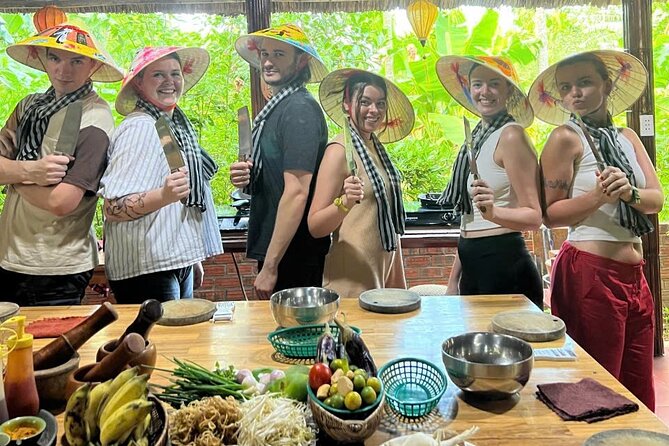
Expect a full flow: pickup from Hoi An hotels, time in the countryside around Kim Bong Carpentry Village / KIM BOONGF Village, then noodle prep and cooking, and finally a meal built from your efforts. The vibe is practical, friendly, and focused on learning, not fancy performance. Since it’s limited to around 15 travelers (up to 18 max), it should feel personal—just don’t expect a totally quiet, slow museum-style outing.
Key highlights worth your attention
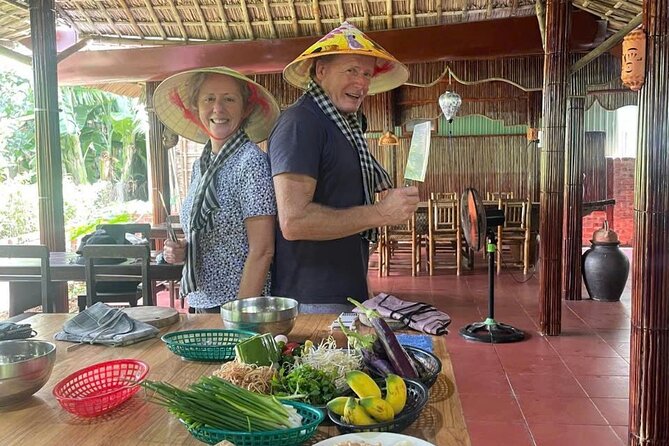
- Small-group rural focus (up to 15 travelers), so questions and hands-on work are actually possible.
- Coconut palm boat time, which breaks up the day and makes the countryside feel close.
- Purple crab catching lesson, then you get to turn that experience into part of your feast.
- Rice paper noodle making in KIM BOONGF Village, not just watching from a distance.
- Chef Tim’s hands-on Vietnamese cooking, with recipes shared so you can repeat dishes later.
- You eat what you help make, which is where a lot of cooking classes either win or lose.
You can also read our reviews of more cooking classes in Da Nang
A rural day plan that’s built for learning (not just eating)
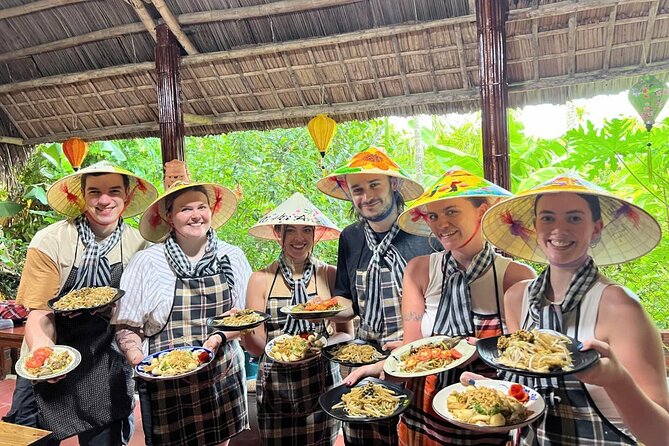
This experience is designed around the way Vietnamese food and daily life connect. You start in the Hoi An area, but the day quickly shifts into countryside rhythm—walking, working, cooking, and sharing a meal that comes from the skills you practiced. It’s not a one-note “eat at a restaurant” class. It’s more like: see the environment, learn the process, then enjoy the results.
And that matters for value. At $33.99 per person, you’re not paying just for a kitchen. You’re paying for transfers, guided instruction, and multiple activities that would usually cost more if you booked them separately: noodles + cooking class + a boat section + crab-catching time.
Pickup from Hoi An hotels and how you’ll get moving
Round-trip transfers from Hoi An hotels are part of the package, so you don’t have to wrestle with buses or timing. In a perfect world, you’ll be picked up from your hotel lobby or a nearby meeting point your guide confirms ahead of time.
One practical tip: plan for a start that feels a bit early and a day that runs as a single unit. This isn’t the kind of tour you can easily “drop into” casually. The schedule is tight enough that everyone needs to show up ready to go.
Also, the experience is described as being near public transportation, which is helpful if you’re staying somewhere that’s easy to reach—still, assume the tour pickup is the main way people handle logistics.
Kim Bong Carpentry Village and rice paper noodle making
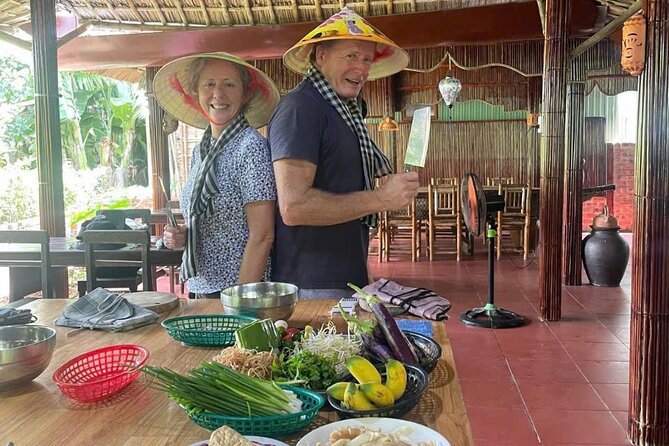
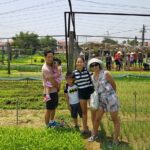
The day’s first big “real work” moment happens around Kim Bong Carpentry Village, in the wider KIM BOONGF Village area. This part is about rural context. You get a chance to walk around and see village life at a human pace—less postcard, more daily routine.
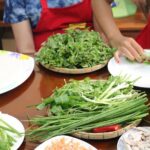
Then comes the main food skill: making noodles. This is where the experience earns its name. Even if you’ve watched rice paper noodles made online, doing it in person is different. You’re guided through the steps, and you’re doing the motions, not just collecting photos.
Here’s what I think makes this step genuinely valuable for you: noodle making teaches technique. Vietnamese noodles and wrappers often depend on texture and timing—how something feels matters more than a written recipe. When a class slows you down and lets you practice, you’re more likely to understand what went right when you eat later.
Expect this to be hands-on and a bit tactile. If you’re the type who likes cooking but hates mess, bring the mindset that a class like this is supposed to get you involved.
The cooking class with Chef Tim: what you’ll learn and why it sticks
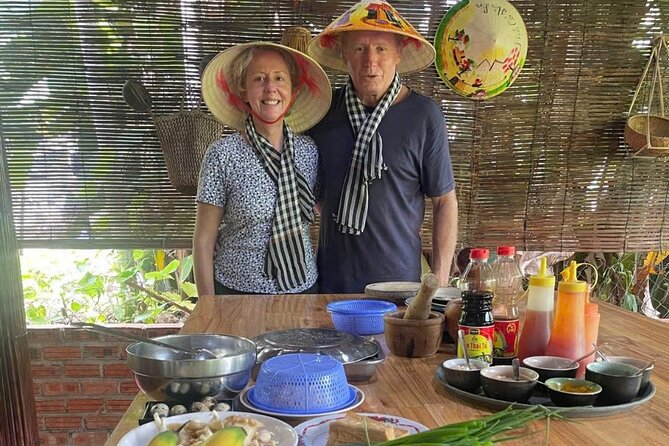
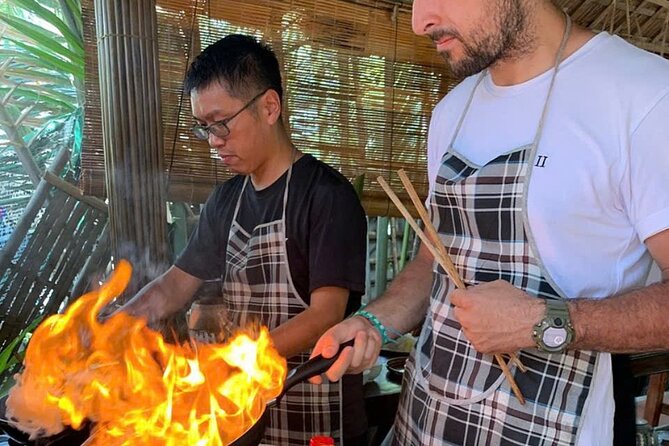
After the noodle-making time, you’ll shift into a cooking class with a local chef who teaches Vietnamese cuisine. One review specifically highlights Tim, and says he’s very experienced and explains recipes in detail. That kind of instruction is a big deal, because it’s the difference between doing a recipe and understanding the recipe.
You’ll learn several elements of Vietnamese cooking and then cook dishes yourself, not just taste. The tour also notes that recipes from the class will be available to you, which is key. A lot of cooking classes stop after you eat. Here, you get a path to repeating what you learned at home.
What I’d do if you want to get the most out of it:
- Take notes on flavor adjustments as you cook, not just the steps.
- Ask what makes the dish taste right (sour, salty, herbs, heat) rather than only how long something cooks.
- Pay attention to how the chef describes texture—Vietnamese cooking can be very precise about that.
In short: this cooking portion is meant to be practical, and that’s exactly what you want from a class you’ll remember.
You can also read our reviews of more tours and experiences in Da Nang


Coconut palm boat time and the purple crab lesson
The countryside portion doesn’t stay on land. You’ll go through a coconut palm forest by boat. The boat part helps break up the day, and it also makes the setting feel lived-in rather than staged.
Then there’s the headline activity: learning how to catch purple crabs with a local fisherman. This is not a passive photo stop. It’s a skill lesson, and you’ll be close to the action as you learn the method.
A balanced consideration here: crab-catching is hands-on, and you’ll need to be comfortable with the idea of working around small live creatures. If that’s your hard line, you may still enjoy the boat and cooking parts, but the crab segment will set the tone of the outing.
Also, I’d think of this as a cultural activity first and a spectacle second. The value is in learning how locals do things—not in treating it like a theme park.
The meal you make, plus the feeling of finishing the day right
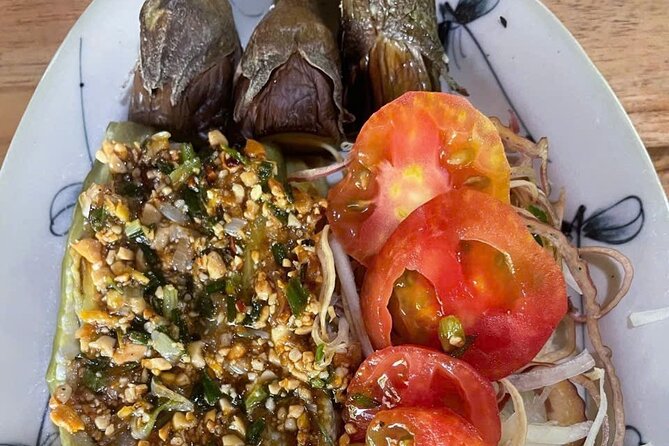
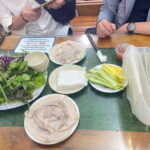
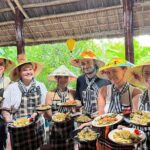
This experience culminates in a meal where you get to enjoy Vietnamese food made by yourself. That’s important, because the best cooking classes let you taste the proof. After you’ve spent time practicing noodles and cooking steps, eating together turns the lesson into something real.
From a value standpoint, the “what you eat” piece is often why you should pay for a class instead of cooking at home from scratch. You’re tasting your work with guidance that helps you avoid the common mistakes.
And the overall flow matters here too. The tour moves from rural village life to kitchen work to countryside activities and then back to the table. That rhythm helps you stay engaged for the full 4.5 hours without feeling like you’re waiting around.
Some people also mention lantern making and a friendly, social finish around the coconut forest time. Even if you’re not sure what craft moment you’ll get, it’s clear the tour tries to end the day with a more “Hoi An” feeling, not only a food-focused one.
Group size (and why it affects your real experience)
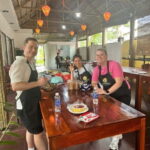
You’ll be in a small group—limited to 15 travelers, and the activity has a maximum of 18. That’s a big difference from the usual big-bus energy.
In a group this size, you’re more likely to:
- Get personal attention when you’re making noodles.
- Ask follow-up questions during cooking.
- Keep the pace moving without feeling rushed at the same time.
If you hate crowds and prefer a guide who can actually remember what you’re working on, this format fits you well.
Price and value: is $33.99 fair for all you do?
At $33.99 per person, you’re paying for a bundle:
- Round-trip transfers from Hoi An hotels
- Rural time in the Kim Bong area
- Rice paper noodle making (hands-on)
- A chef-led Vietnamese cooking class (recipes provided)
- A boat ride through coconut palms
- Learning how to catch purple crabs
- A feast that ties it together
Even if you mentally price those pieces separately, the total doesn’t look absurd. The main question is whether you’ll enjoy the whole package. If you only want cooking and hate active countryside activities, your value may feel lower. If you like hands-on food work and don’t mind messy, fun rural moments, this looks like good value.
Also remember: the average booking window is about 14 days in advance, which usually means it fills up when people plan ahead for Hoi An. If you’re traveling at peak times, give yourself time to lock in a spot.
Who this tour suits best (and who should think twice)
This is a strong fit if you:
- Want a Vietnamese food experience that includes real technique, not just tasting.
- Like small groups and guided instruction.
- Enjoy countryside activities, including boat time and learning how something local is done.
- Want to eat what you make, with recipes to take home.
Think twice if you:
- Dislike hands-on activities or prefer to watch instead of participate.
- Have a strong aversion to crab-catching.
- Want a purely low-energy, sit-and-snack kind of outing.
Should you book this rice paper noodle making + Hoi An cooking class?
Yes—if you want a food day with motion and meaning. The combination of rice paper noodle making, a chef-led cooking session with Chef Tim highlighted by guests, plus the coconut palm boat and purple crab lesson makes it feel like one cohesive rural story, not separate activities stapled together.
I’d book it particularly if you’re the kind of traveler who learns best when you’re doing. Your hands get busy, your brain gets the why, and then you sit down to eat the evidence.
Skip it only if you know you won’t enjoy the active countryside parts. If you’re excited by that mix, this one is worth your time in Da Nang’s Hoi An orbit.
FAQ
How long is the rice paper noodle making and cooking class?
It runs for about 4 hours 30 minutes (approx.).
Where is the tour based, and does it include transfers?
The experience is in the Da Nang area with pickup and round-trip transfers from Hoi An hotels.
What activities are included besides the cooking class?
You’ll make noodles, join a cooking class, and you’ll also have a boat through a coconut palm forest experience and a lesson on catching purple crabs.
Is it a small-group tour?
Yes. It’s limited to 15 travelers, and the activity lists a maximum of 18 travelers.
What will I do during the cooking class?
You’ll take part in hands-on Vietnamese cooking taught by the chef, and then you can enjoy the Vietnamese food you make.
Do I get recipes after the class?
Yes. Recipes from the class will be made available to you.
What’s the cancellation policy?
You can cancel for a full refund up to 24 hours in advance. If you cancel less than 24 hours before the start time, the amount you paid won’t be refunded.