REVIEW · DA NANG
Da Nang Family Cooking Class – with Local Family in Da Nang
Book on GetYourGuide →Operated by Da Nang Family Cooking Class · Bookable on GetYourGuide
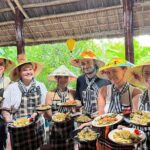
A kitchen lesson in a real home. That is the draw here: you cook Vietnamese food with a local family, not in a classroom, with a small group setting and step-by-step guidance in English and Chinese.
I like two things most. First, the host’s clear help while you’re actually cooking, so you’re not just watching. Second, the menu choices are smart and varied, from Bánh Xèo to Phở cuốn or Phở Bò, giving you a taste of different regions of Vietnam. One consideration: there’s no hotel pickup, so you’ll rely on a taxi and meet at the listed spot before you walk over.
In This Review
- Key things you’ll remember from Da Nang Family Cooking Class
- Price and what you actually get for $24
- Where you meet and how the “Sala Coffee” handoff works
- Your host, languages, and the pace of learning
- Two menus: how the menu choice changes what you learn
- Menu I: Bánh Xèo, Phở cuốn, morning glory, and fruit salad
- Menu II: Bánh Xèo, fruit salad, and Phở Bò
- What the class feels like once you’re in the kitchen
- The dish-by-dish appeal (and what to watch for)
- Bánh Xèo: crisp edges and the dipping ritual
- Phở cuốn / Gỏi cuốn: the art of wrapping and balance
- Rau Muống Xào Tỏi: quick, green, and everyday
- Mango or pomelo fruit salad: the sweet-sour pattern again
- Phở Bò (Menu II): soup that’s as much about assembly as broth
- Dietary restrictions: how flexible is this class?
- Small group size: why it matters for cooking
- Who should book this class (and who might not love it)
- Final verdict: should you book?
- FAQ
- How long is the Da Nang Family Cooking Class?
- What’s included in the price?
- Are there different menus to choose from?
- What dishes are on Menu I?
- What dishes are on Menu II?
- Does the host speak English or Chinese?
- Where is the meeting point?
- Is hotel pickup or drop-off included?
- Can I request changes for dietary restrictions or allergies?
Key things you’ll remember from Da Nang Family Cooking Class
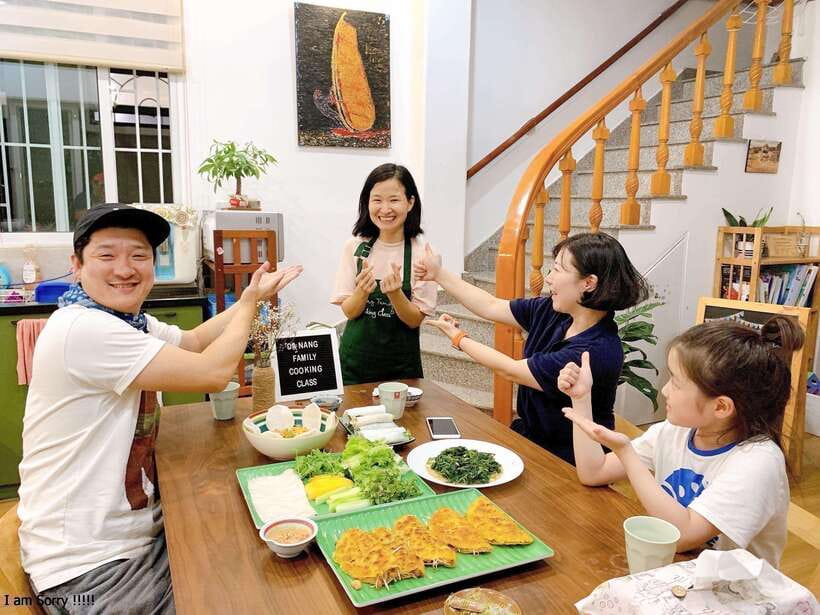
- A local family home setting in Da Nang, with genuine daily-life context
- Hands-on cooking with step-by-step instructions (not a demo only)
- Two menu options featuring classic dishes from different regions
- Bilingual host support in English and Chinese, plus Vietnamese on hand
- You eat your own creations for lunch or dinner, with tea and dessert included
Price and what you actually get for $24
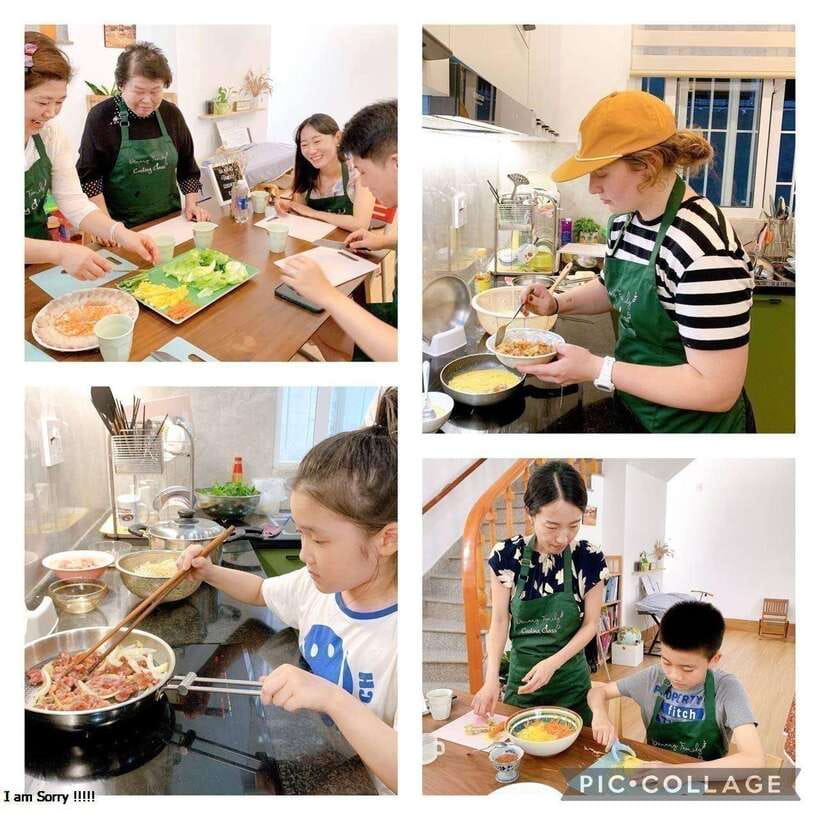
At $24 per person for about 150 minutes, this class feels like good value because the price covers the main stuff that costs money in real life: ingredient prep, the cooking instruction itself, and your meal at the end. You’re also getting a small-group experience (limited to 9 people), which matters because it keeps the lesson personal enough that you can ask questions while you’re mixing, stirring, wrapping, or plating.
You should think of this as part cooking lesson, part cultural visit. Yes, you’ll learn recipes like Bánh Xèo and Rau Muống Xào Tỏi, but you’ll also spend time in the home and hear stories from your host, who is fluent in English and Chinese. That combination is usually what makes these classes memorable later, when you’re repeating the dishes at home.
You can also read our reviews of more cooking classes in Da Nang
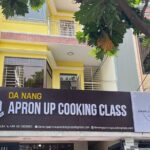
Where you meet and how the “Sala Coffee” handoff works
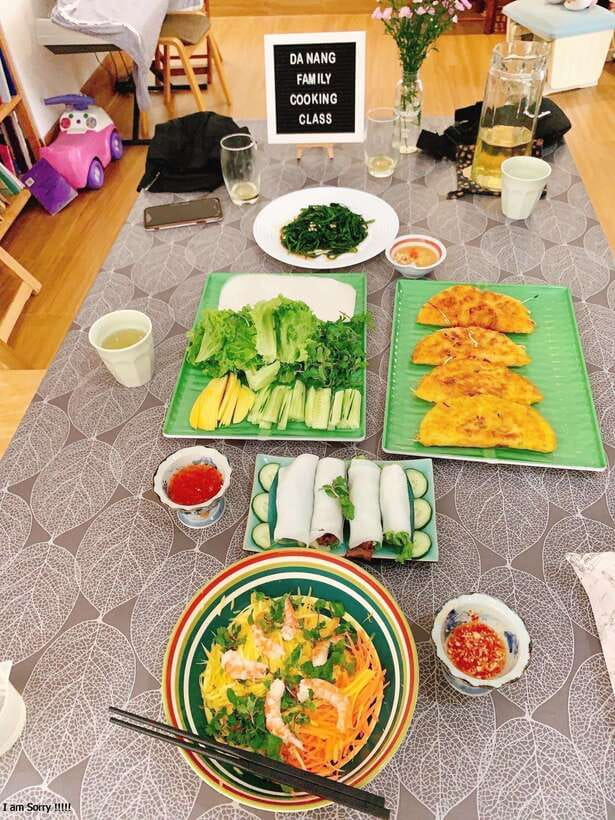
Logistics are straightforward, but read it carefully once.
You’ll take a taxi to 61 Hàn Thuyên, Hoà Cường Bắc, Hải Châu, Đà Nẵng, and look for Sala Coffee. That is not the cooking-class home. From there, you walk just about 1 minute to the family’s house at 374/36 Núi thành, Hoà Cường Bắc, Hải Châu, Đà Nẵng.
If you want the smoothest start, do this before you go: open the directions link and confirm you’re looking for the right Sala Coffee on Hàn Thuyên street. The instructions specifically warn that other Sala locations exist farther away, so don’t assume.
Also plan to arrive about 5 minutes early. It keeps the group on track since the class runs on a set schedule (about 150 minutes).
Your host, languages, and the pace of learning
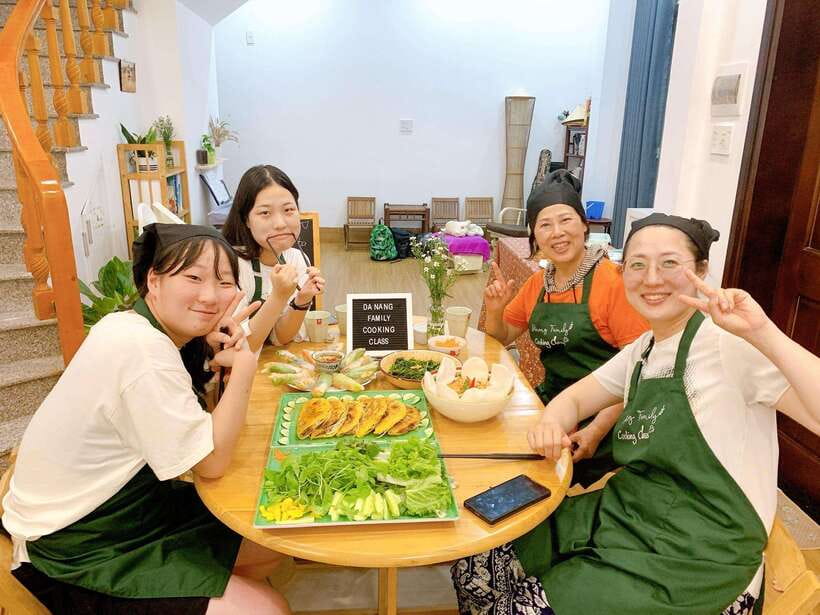
The instructor and host support runs in English, Chinese, and Vietnamese. In practice, that matters a lot because cooking has lots of tiny steps: consistency checks, timing on the stove, and how to assemble rolls or plate the final dish.
You should expect a hands-on lesson with step-by-step guidance as you go. That likely means you’ll move through tasks with the host rather than just standing back. The class is set up for you to cook and then eat what you make, which keeps the energy practical. You’ll learn better when your hands are involved, and you’ll remember more because the finished meal is already in front of you.
Two menus: how the menu choice changes what you learn
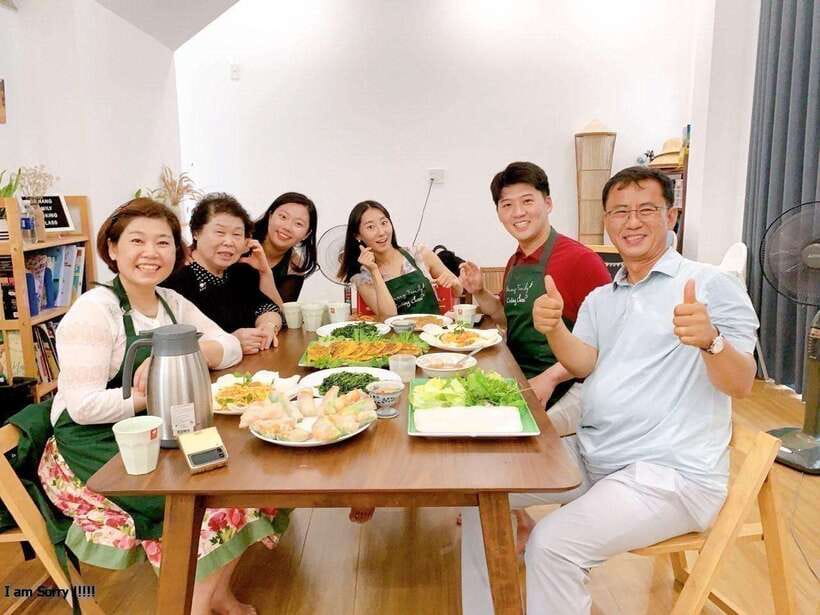
You can choose between two different menus. Both include a Bánh Xèo element, but the rest shifts what you focus on: fresh rolls and stir-fry for one menu, and noodle soup for the other.
Menu I: Bánh Xèo, Phở cuốn, morning glory, and fruit salad
Menu I centers on a mix of textures and flavors:
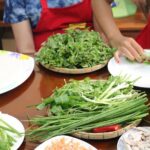
- Bánh Xèo (crispy, savory Vietnamese crêpes/pancakes): You’re learning a signature central/southern dish where the batter sizzles in the hot pan. It’s served with lettuce, fresh mint and basil, plus nuoc cham dipping sauce.
- Phở Cuốn / Gỏi Cuốn (fresh rice paper rolls): This leans into northern flavors. The rolls use rice paper wrapped around stir-fried beef and onions / shrimp and pork, with cilantro and lettuce. You’ll pair it with sweet-sour fish sauce with chopped garlic or peanut sauce.
- Rau Muống Xào Tỏi (stir-fried morning glory with garlic): A very common daily-meal vegetable dish across Vietnam, usually eaten alongside rice.
- Fruit salad (mango or pomelo): Sweet-and-sour flavors again, made with mango or pomelo plus carrot, mixed with a sweet and sour fish sauce.
This menu is great if you want a broader cooking skill set: pan work for Bánh Xèo, assembly technique for fresh rolls, and quick wok/stir-fry timing for the vegetable.
You can also read our reviews of more tours and experiences in Da Nang

Menu II: Bánh Xèo, fruit salad, and Phở Bò
Menu II keeps Bánh Xèo but swaps the second half of the lesson for soup:
- Bánh Xèo: Same idea as above, including the crispy, savory crêpe and the classic herb-and-dipping-sauce setup.
- Fruit salad: Again, either mango or pomelo with carrot and sweet-sour fish sauce.
- Phở Bò (Vietnamese beef flat noodle soup): This is the big focus. It’s described as originating in northern Vietnam in the early 20th century, then becoming famous across Vietnam and internationally after the Vietnam War. You’ll garnish with coriander leaves, green onions, and white onions and serve with basil, bean sprouts, and lime juice.
If you prefer one-pot comfort food and want a dish that travels well in your memory, Menu II is a strong pick. It’s also a good choice if you want more variety in what you cook beyond rolls and stir-fry.
What the class feels like once you’re in the kitchen
Even without a minute-by-minute schedule, the structure is clear: you spend time with your host at their home, get guidance on simple yet authentic Vietnamese cooking, then enjoy the meal you make.
A typical flow looks like this:
- Welcome and orientation in the home
- Hands-on cooking with step-by-step instructions
- Lunch or dinner where you eat your own dishes
- Tea and dessert to close things out
The key value here is that you’re learning Vietnamese food through a family routine, not a tourist performance. The home setting also makes small conversation easier, especially since the host speaks English and Chinese. You’ll get cultural context and stories alongside the recipes, which helps you understand why certain flavors work the way they do.
And yes, cooking is messy in a good way. If you like practical travel, where you leave with a skill (not just photos), you’ll probably enjoy the hands-on pace.
The dish-by-dish appeal (and what to watch for)
Bánh Xèo: crisp edges and the dipping ritual
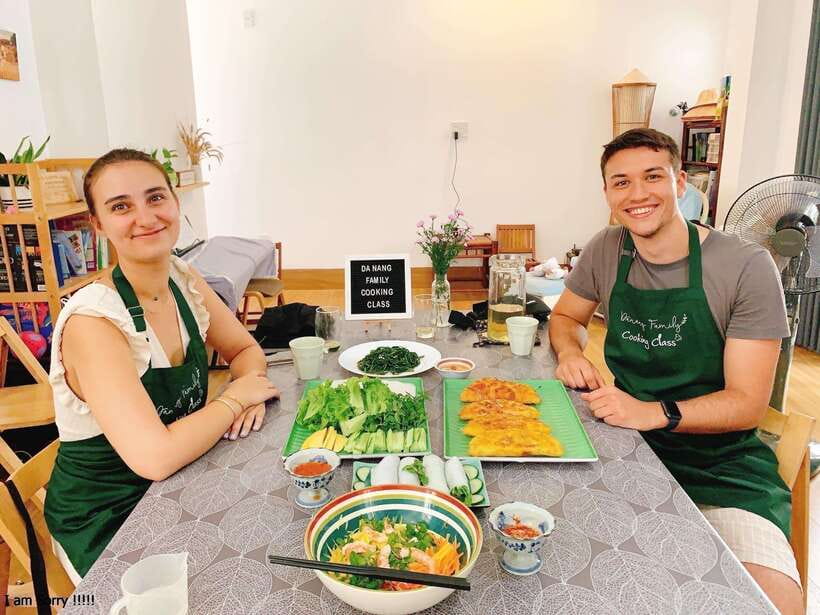
Bánh Xèo is described as “sizzling,” and that idea is more than poetry. You’ll learn how the batter behaves and why the serving setup matters. The crunch doesn’t come from herbs; it comes from the cooking method and timing.
When you assemble your plate, don’t treat the herbs as garnish. They’re part of how you balance the crisp crêpe with fresh, cool flavors. The class also includes nuoc cham, which means you’ll taste the dish in the way Vietnamese eating tends to work: one bite, multiple flavor components.
Phở cuốn / Gỏi cuốn: the art of wrapping and balance
With Phở cuốn, the technique matters: getting the right amount of filling, keeping the roll tight enough to hold together, and pairing it with sauce so it doesn’t taste one-note.
The menu description is specific about what goes in: stir-fried beef with onions, or shrimp and pork, plus cilantro and lettuce. That helps you understand the roll’s flavor logic: savory filling plus fresh herbs plus dipping sauce that’s sweet-sour and garlic-forward.
Rau Muống Xào Tỏi: quick, green, and everyday
Stir-fried morning glory with garlic is the kind of dish that makes you understand Vietnamese home cooking. It’s not elaborate. It’s fast, green, and meant to be eaten as part of a meal, usually with rice.
If you’ve only had vegetables as sides in restaurants, this is a good reset. It shows how Vietnamese flavors often rely on simple building blocks: garlic, stir-fry technique, and timing.
Mango or pomelo fruit salad: the sweet-sour pattern again
The fruit salad repeats the sweet-and-sour fish sauce theme. That consistency is useful to notice, because it’s a clue to how Vietnamese flavoring often works across sweet and savory.
This is also where you’ll appreciate having tea and dessert included. The whole meal has a rhythm, and the class is designed to serve you the end result, not just teach you ingredients.
Phở Bò (Menu II): soup that’s as much about assembly as broth
For Phở Bò, the class description focuses on origin, garnishes, and how it’s served. You’ll learn the role of toppings like coriander leaves, green onions, white onions, and sides like basil, bean sprouts, and lime juice.
That’s practical. Phở is one of those dishes where the “last mile” matters: the final squeeze of lime and the distribution of herbs can change the taste a lot.
Dietary restrictions: how flexible is this class?
You should plan to share any dietary restrictions or allergies in advance. The class notes specifically ask you to inform them ahead of time.
What’s especially reassuring is that the menu can be adjusted. One pairing in a past experience involved no pork and no beef, and the menu was adapted successfully without making the experience feel broken. In other words, you’re not locked into one fixed menu no matter what.
If you’re vegetarian, avoid certain allergens, or have religious restrictions, message the operator early and be clear. Since the host speaks English and Chinese, communication should be straightforward.
Small group size: why it matters for cooking
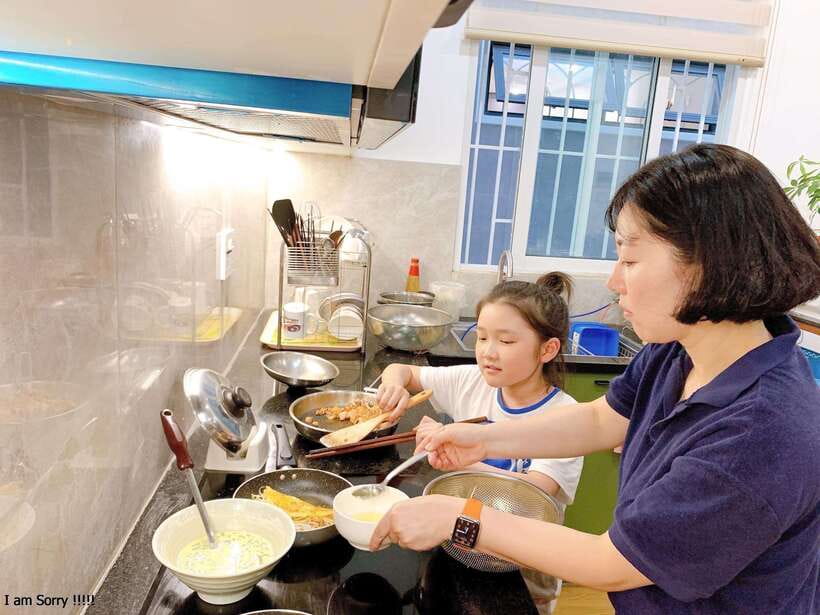
With a maximum of 9 participants, you’re unlikely to feel lost. Cooking classes can turn into a crowd-watching situation. Here, the limit supports real interaction and better pacing while you cook.
If you’re the kind of traveler who hates being rushed or stuck waiting for a turn at the stove, this is a good sign.
Who should book this class (and who might not love it)
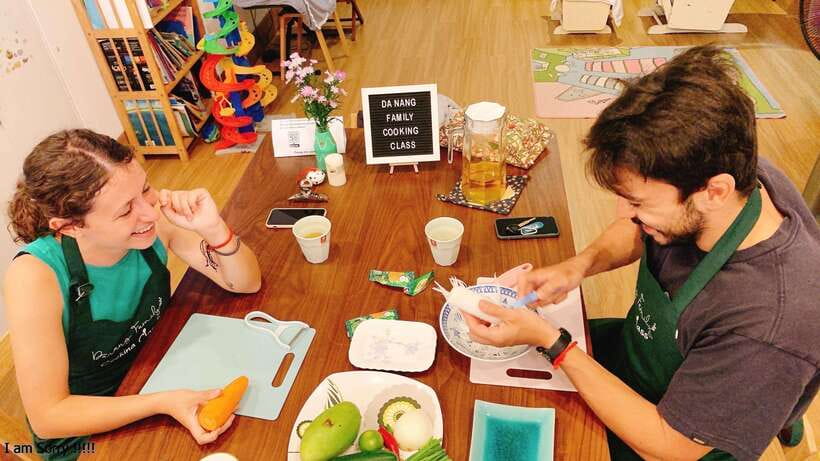
This experience is a strong fit if you:
- want a hands-on Vietnamese food lesson
- like learning through conversation with a host
- want a meal you cook yourself, plus tea and dessert
- care about small group attention
You might think twice if you:
- want hotel pickup or guided transport (this one does not include it)
- have very limited mobility and would struggle with getting to a local home on foot from the meeting point (the class is wheelchair accessible, but you still need to get there)
Final verdict: should you book?
I’d book this if your goal is practical Vietnamese cooking plus a real home-life moment in Da Nang. The value works because you pay a reasonable price for a long class window, ingredients, and a full meal that’s part of the learning process. And the two-menu choice helps you match the class to your appetite, whether you’re excited about crispy Bánh Xèo plus fresh rolls, or you want the classic comfort of Phở Bò.
Just do two things before you go: confirm the exact Sala Coffee meeting point and share dietary needs in advance. Get those right, and you’ll likely leave with both better food memories and a few recipes you can actually repeat.
FAQ
How long is the Da Nang Family Cooking Class?
The class lasts about 150 minutes.
What’s included in the price?
It includes the cooking lesson with a local family, all ingredients, lunch or dinner of what you cook, tea, and dessert. A bilingual host (English and Chinese) is also included.
Are there different menus to choose from?
Yes. You can choose between 2 menus. Both menus include Bánh Xèo, and the rest differs between the two options.
What dishes are on Menu I?
Menu I includes Bánh Xèo, Phở Cuốn / Gỏi Cuốn, Rau Muống Xào Tỏi, and a mango or pomelo fruit salad.
What dishes are on Menu II?
Menu II includes Bánh Xèo, a mango or pomelo fruit salad, and Phở Bò.
Does the host speak English or Chinese?
Yes. The host/instructor support includes English and Chinese, and Vietnamese is also available.
Where is the meeting point?
Take a taxi to 61 Hàn Thuyên, Hoà Cường Bắc, Hải Châu, Đà Nẵng, and find Sala Coffee. From there you walk about 1 minute to 374/36 Núi thành, Hoà Cường Bắc, Hải Châu, Đà Nẵng.
Is hotel pickup or drop-off included?
No. Hotel pickup and drop-off are not included, and you’ll need transportation to and from the activity on your own.
Can I request changes for dietary restrictions or allergies?
Yes. You should inform the operator in advance about any dietary restrictions or allergies, and the class can be adjusted accordingly.