REVIEW · DA NANG
Red-shanked Douc – Private Motorbike Tour
Book on Viator →Operated by Next Continent: Wildlife, Photography, and Natural History Tours · Bookable on Viator
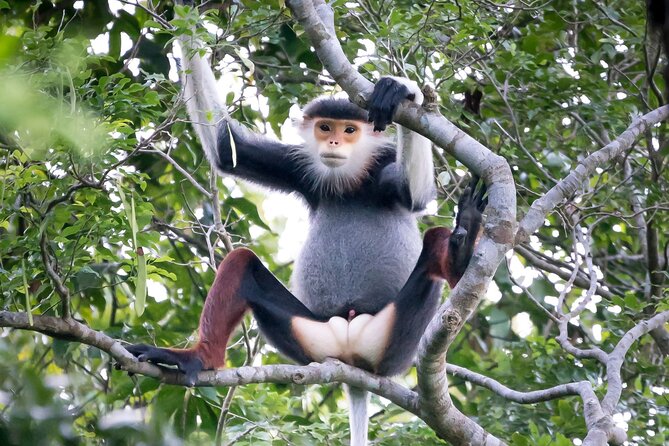
Langurs on the road, early and close. This private Son Tra wildlife trip is built around finding red-shanked douc langurs, with a real focus on how to spot, identify, and understand the troop behavior. You’ll move through the hills with an expert guide and wildlife tracker, looking for the langurs and the other wildlife that shares this forest.
I especially like that it’s private and tailored, with the option to ride by motorbike or car depending on what works best for your group. I also like the practical learning: you’re not just hoping for sightings, you’re taught how to recognize troop members and what their breeding biology and behavior can tell you.
One consideration: the outing needs good weather, and it’s non-refundable, so plan with that in mind if you’re traveling during a sketchy forecast window.
In This Review
- Key highlights you’ll notice right away
- Where Son Tra fits into a Da Nang wildlife trip
- Price and value: what $60 gets you in reality
- The 7:00am start: timing that works for animal viewing
- Son Tra by road: the experience of choosing motorbike or car
- Stop on Son Tra: how the tour turns sightings into learning
- What you can realistically see besides doucs
- Photo opportunities: when timing and patience pay off
- The guide experience: Huy and Thanh’s style of natural history
- Motorbike vs car: choosing the comfort level you’ll enjoy most
- What to bring (so you don’t miss the best moments)
- Scheduling and booking: planning around wildlife and weather
- Who this tour is perfect for (and who might skip it)
- Should you book the Red-shanked Douc Private Motorbike Tour?
- FAQ
- Where does the tour start, and what time is it?
- How long does the experience take?
- Is the tour private?
- What’s included in the price?
- What animals can you expect to see?
- What if the weather is bad?
Key highlights you’ll notice right away
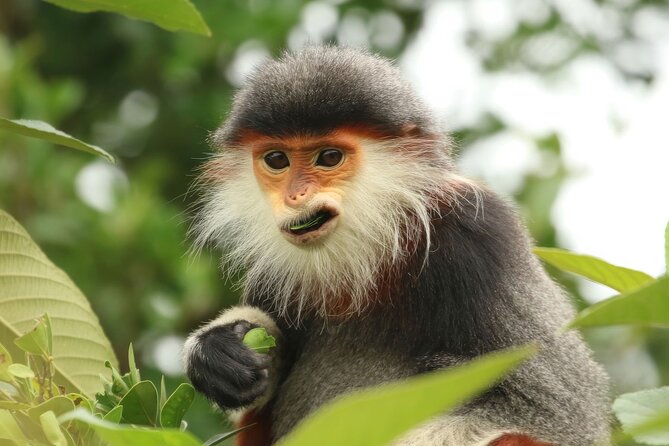
- Red-shanked douc focus: the morning is aimed at langur spotting, not a random wildlife drive
- Private guide + wildlife tracker: you’re working with people who know how to read animal behavior
- Flexible transport: motorbike or car, with safety-minded equipment maintenance
- Early start on Son Tra: a 7:00am departure helps you get into the action while it’s still calm
- More than langurs: you can also spot macaques, mongoose, reptiles, birds, and butterflies
Where Son Tra fits into a Da Nang wildlife trip
If you’re doing Da Nang and you want something more than beaches and bridges, Son Tra is a strong choice. The hill roads and nearby forest give you a chance to see wildlife without needing a full-day tour into the deeper countryside. This Red-shanked Douc outing is designed as a morning that feels intentional: you’re going out with a target species and the know-how to find it.
This is also a tour that teaches you how to look. Instead of a quick stop-and-go photo session, you spend time tracking groups of monkeys and learning how troops are put together. That changes everything: once you can recognize troop structure and behavior, your sightings get sharper and you notice more than just movement in the trees.
You can also read our reviews of more private tours in Da Nang
Price and value: what $60 gets you in reality
At $60 per person, this isn’t a budget “hop on and off” tour, but it also isn’t priced like a luxury excursion. For the money, you get private guiding, hotel pickup and drop-off in Da Nang, a wildlife tracker, bottled water, and a focused wildlife morning lasting about 4 to 6 hours.
That value comes down to two things. First, private time with a guide matters when wildlife won’t cooperate on command. You need someone who can read where the animals are moving and adjust without turning it into a frantic chase. Second, wildlife tracking and identification are the sort of knowledge you can’t fake with a phone app. Paying for that guidance is the difference between seeing monkeys and actually understanding what you’re seeing.
Hoi An pick-ups are available, but they cost extra. If you’re staying in Da Nang, you’ll likely enjoy the smoother flow because the tour includes pickup in the city.
The 7:00am start: timing that works for animal viewing
The experience starts at 7:00am and finishes back at the same meeting point. The start location is 268 Võ Nguyên Giáp, Bắc Mỹ Phú, Ngũ Hành Sơn, Đà Nẵng 550000, Vietnam.
Morning timing helps for simple reasons. Wildlife activity often feels steadier earlier in the day, and the light can be better for photos of animals in the canopy. You also avoid the late-morning traffic drag that can eat into your time.
You can also see the plan in the structure: one main circuit on Son Tra, rather than a checklist tour with too many stops. If your goal is langur spotting, staying focused is exactly what you want.
Son Tra by road: the experience of choosing motorbike or car
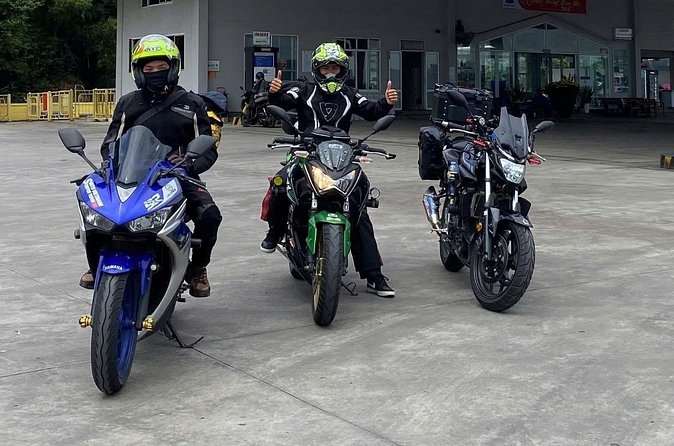
This tour can run by motorbike or car, and it’s private, so you’re not stuck with someone else’s pace. Next Continent keeps safety in view, including regular servicing of motorbike equipment, which matters when you’re on mountain roads and moving through rougher terrain.
Motorbike is great if your group likes getting close to the ride itself and wants a more flexible feel on side roads. Car can be a better fit if you want comfort and an easier back-and-forth while you’re waiting for wildlife activity.
A small detail that helps: you’re not just transported and dropped. You’re working in tandem with the guide and tracker, so the vehicle choice affects how long you can wait comfortably and how quickly you can reposition when you get a sign of movement.
Stop on Son Tra: how the tour turns sightings into learning
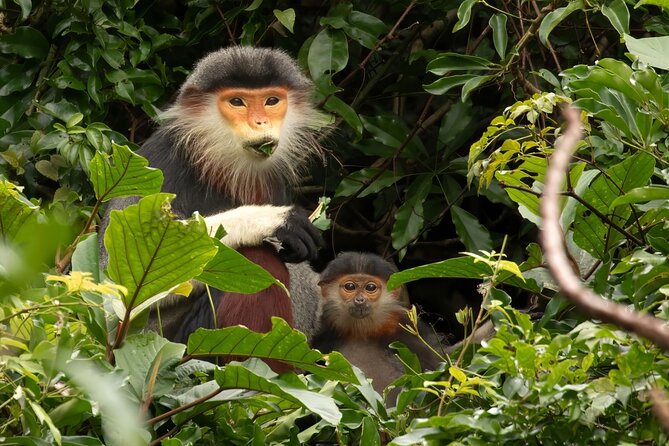
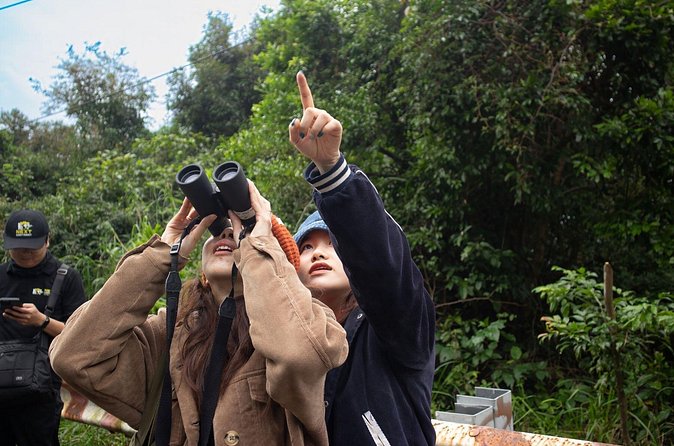
The whole trip centers on Son Tra Peninsula, where the guides look for Red-shanked Douc Langurs and track different family groups. This is one of the biggest reasons people love this tour type: you’re not just scanning randomly. You’re learning how to spot the troop, how to follow activity in the canopy, and how to tell who’s who.
You’ll practice identification basics that make a real difference in the moment:
- Recognizing members of a troop as you track them
- Understanding behavior patterns the guide points out
- Picking up what the guide explains about breeding biology and how it shapes what you might observe
Even if you’re not a primate expert, this approach gives you a framework. Once you understand what you’re watching, you start noticing the smaller actions: how individuals interact, how the group reacts to disturbances, and how movement shifts through the trees.
What you can realistically see besides doucs
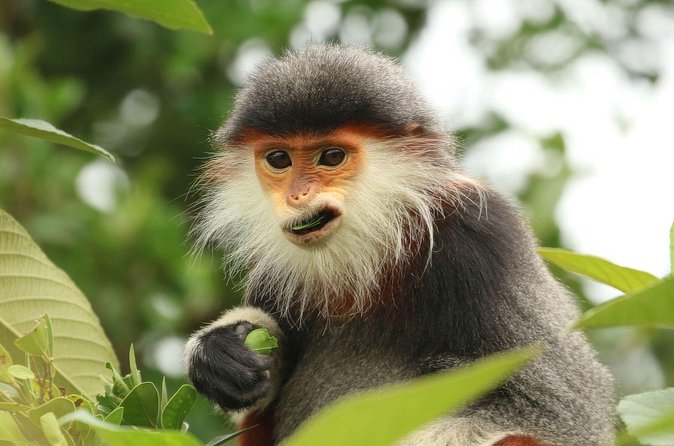
Yes, the target is the red-shanked douc langur, but the tour is built to be productive even if sightings come in different waves. Along with doucs, you’re set up to look for:
- Rhesus macaque
- Javan mongoose
- Chinese water dragon
- Tropical birds and colorful butterflies
- Other monkey activity that shares the same forest space
One helpful way to think about it: the guide isn’t counting only the star species. They’re scanning the environment as wildlife moves at different speeds and in different layers—ground edges for mongoose-style movement, near-water edges for reptiles, and mid-to-high canopy zones for primates and birds.
If you’re a photographer, this matters. You’re more likely to end the morning with variety in your shots rather than one long wait for the perfect douc view.
Photo opportunities: when timing and patience pay off
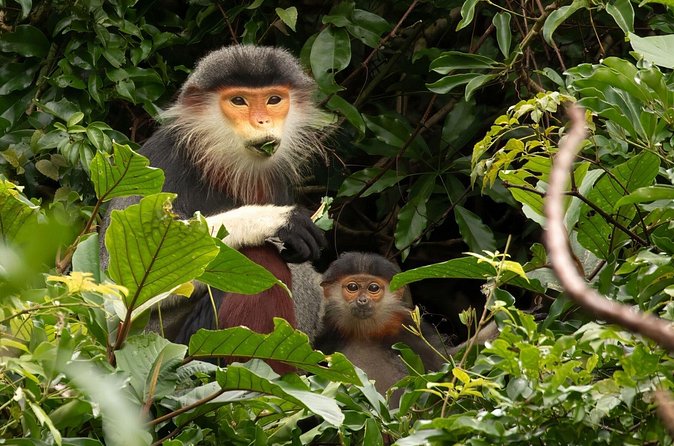
If you care about photos, plan for a lot of “look, wait, reframe, then shoot.” This tour is run with enough stops and attention that you can get good viewing angles when the animals cooperate. People describe the morning as delivering strong photo opportunities, and that lines up with what the structure suggests: wildlife tracking tends to take time.
A practical tip: keep your settings simple. In a forest, light can change quickly, and you don’t want to spend half your trip fiddling with controls. Instead, use a consistent mode and focus on quick bursts when the guide signals an animal shift.
Also, bring a lens you’ll actually use. If you only have a phone, you may still get helpful moments, but your best results come from something that can handle distance in a canopy setting.
The guide experience: Huy and Thanh’s style of natural history
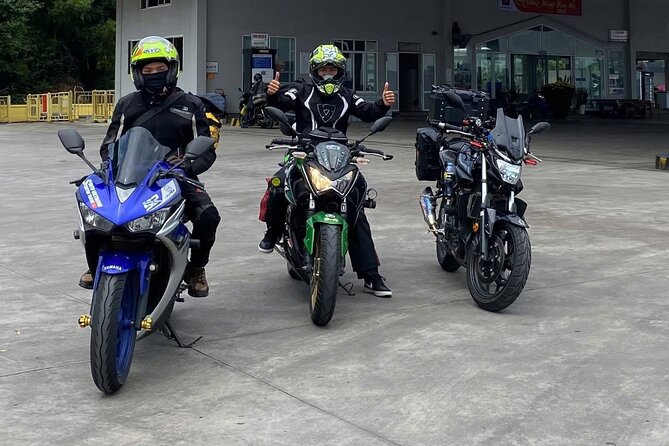
Guide quality is the real engine behind a wildlife tour. The passion shows in how they explain what you’re seeing and how they keep you informed while the group is tracking animals.
Two guide names you’ll see associated with the experience are Huy and Thanh. In both cases, the common theme is attention and enthusiasm—guides who don’t just point and move on. One morning included big wildlife numbers, including around 20 red-shanked doucs and 20–30 other monkeys, plus additional sightings like squirrels and birds. That kind of variety usually happens when the guide is actively reading behavior, not just waiting for luck.
If you’re hoping for a tour where you leave with understanding (not only pictures), this is that kind of guiding.
Motorbike vs car: choosing the comfort level you’ll enjoy most
You don’t have to decide based on thrill alone. Decide based on how you want the morning to feel.
Motorbike often feels faster and more flexible, especially on roads that curve through the peninsula. But you’ll want to be comfortable with the movement and the basic mountain-road vibe.
Car can feel calmer and easier on your body if you’re visiting from a beach-heavy itinerary, or if you just don’t want to think about balance and gear. Either way, the tour stays private, so the pace and stops are in your hands rather than a schedule shared with strangers.
If you have any flexibility in your travel style, pick the option that matches your energy for that morning. Wildlife spotting rewards patience, and your comfort can directly affect how long you stick with the waiting parts.
What to bring (so you don’t miss the best moments)
The tour includes bottled water, so you won’t need to carry that. Beyond that, think like a wildlife morning matters more than a sightseeing morning.
Bring:
- A light rain layer or sun protection, since you need good weather and it can still feel warm or changeable
- Bug protection if you run sensitive around forest-edge areas
- A hat and sunglasses for glare and quick scanning
- Your camera gear in a way you can grab fast when the guide spots movement
Wear shoes you’re comfortable standing in. Even if most of the time is seated in a vehicle, wildlife viewing often involves quick stops and short stretches where footing matters.
Scheduling and booking: planning around wildlife and weather
This tour is typically booked about 15 days in advance, which is a clue that the good slots go first, especially for popular morning times. You can still book close to your trip date, and confirmation timing depends on how soon you book.
Most importantly, remember that it requires good weather. If the trip can’t run due to poor conditions, you’ll be offered a different date or a full refund. If you’re visiting during a rainy stretch, build in a bit of flexibility so you don’t feel stuck if the weather forces changes.
Also note: it’s non-refundable and can’t be changed for any reason. That’s one of those rules that’s worth respecting when you’re traveling with tight plans.
Who this tour is perfect for (and who might skip it)
This Red-shanked Douc Langur private tour is a great match if:
- You specifically want primates and a chance to see red-shanked doucs
- You value learning as much as seeing, with a guide and tracker doing the hard work
- You want a focused morning on Son Tra without a packed, multi-stop day
- You like wildlife photography and want help getting into position when animals show up
You might skip it if:
- You need a full-day itinerary with multiple regions and lots of different sights
- You can’t handle the reality that wildlife depends on conditions and timing
- You’re traveling with no flexibility and a strict schedule due to the non-refundable policy
Should you book the Red-shanked Douc Private Motorbike Tour?
If your priority is a high-quality wildlife morning with serious attention to red-shanked douc langurs, I’d book this. The combination of private guiding, a wildlife tracker, and the focused Son Tra route is what makes the difference between a lucky drive and a meaningful experience.
The price is fair for what you’re getting: pickup, guiding, tracking, and time spent learning how to see. Add in the fact that people report both strong douc encounters and lots of other wildlife variety, and it becomes an easy recommendation for Da Nang wildlife fans.
Just be honest about weather and schedule. If you can travel a little flexibly and you want primates with context, this is one of the best ways to spend a morning in the Son Tra area.
FAQ
Where does the tour start, and what time is it?
The tour starts at 268 Võ Nguyên Giáp, Bắc Mỹ Phú, Ngũ Hành Sơn, Đà Nẵng 550000, Vietnam. The start time is 7:00am. The activity ends back at the meeting point.
How long does the experience take?
The duration is 4 to 6 hours (approx.).
Is the tour private?
Yes. It’s a private tour/activity, so only your group participates.
What’s included in the price?
Included are hotel pick-up and drop-off in Da Nang (with Hoi An pick-ups available for an additional fee), bottled water, and an expert private guide and wildlife tracker.
What animals can you expect to see?
The tour focuses on Red-shanked Douc Langurs. You may also see Rhesus Macaque, Javan Mongoose, Chinese Water Dragon, plus tropical birds and colourful butterflies.
What if the weather is bad?
The experience requires good weather. If it’s canceled due to poor weather, you’ll be offered a different date or a full refund. The tour is non-refundable and cannot be changed for any reason.