REVIEW · DA NANG
Home Cooking Class: Market, Garden and cooking 4 dishes
Book on Viator →Operated by Da Nang Home Cooking Class · Bookable on Viator
Four dishes, one family, and a real ingredient hunt. I love the small-group feel and the hands-on cooking, where you make and eat what’s on your table. The one thing to watch is the pace: it’s a tight 4 hours, so you’ll want to be ready to move, taste, and cook without lingering.
This class is led with an English-speaking instructor and recipe help in English recipe copies, so you’re not stuck guessing measurements. And the vibe matters: in the best moments, guides like Jane, Nhi, and Lyn come across patient and welcoming, turning the day into more than just a food tutorial.
In This Review
- Key highlights worth planning around
- A Da Nang cooking class built for small groups
- Han Market: where you start tasting Vietnam
- Garden time: learning vegetables start the flavor
- Coffee, tea, and dessert before the kitchen work
- Pick your day: two four-dish menus
- Cooking at a local house: learn, then eat your work
- Time, transport, and how to plan your day
- Price check: is $26 good value for this much food?
- Should you book this Da Nang home cooking class?
- FAQ
- FAQ
- What is included in the home cooking class?
- How many dishes will I cook?
- Do the dishes change depending on the day?
- Where do I get picked up?
- Is drop-off included after the tour?
- How long does the cooking class last?
- What time does the tour start?
- Does the class require good weather?
- How big is the group?
Key highlights worth planning around
- Small group (under 10): more attention while you’re chopping, mixing, and frying
- Han Market ingredient tour: learn what to look for and why freshness matters
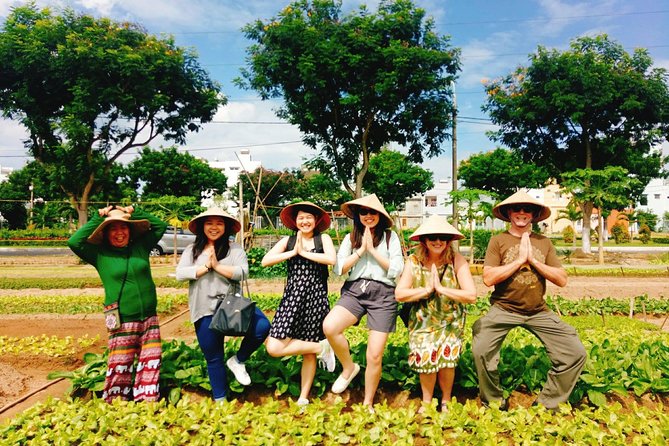
- Garden/farm time: practice like a local farmer and connect food to where it grows
- Two menu rotations by day: cook 4 classic dishes, chosen by the schedule
- Vietnamese coffee (and dessert): a built-in break before and after cooking
- Make it, then eat it: you’re not just watching dishes get assembled
A Da Nang cooking class built for small groups
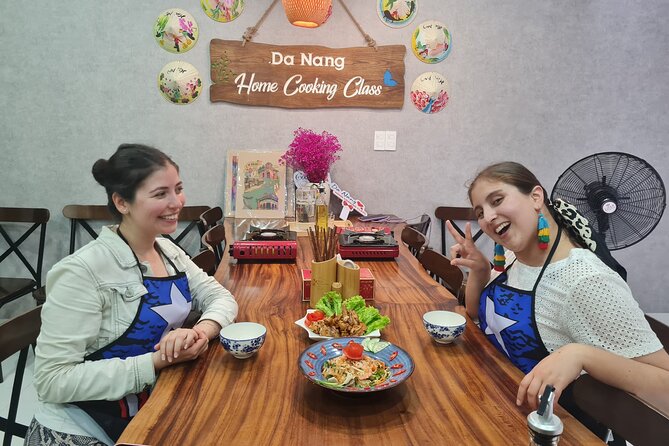
For $26, this is set up like a real neighborhood experience, not a big factory tour. The group size caps out at 10 (and is commonly described as under 10), which changes everything. You get hands-on time instead of waiting your turn, and the instructor can slow down when you need it.
The class also has a clear “whole meal” rhythm: market → garden/farm → cooking at a local house → you sit down and eat what you made. That flow helps if you’re the kind of traveler who wants the story behind the flavors, not just the recipe card.
One practical note: you’ll be with the same small group during the market and kitchen portions. That can feel more relaxed and social, especially if you don’t want a tour where everyone disappears into their phone the whole time.
You can also read our reviews of more shopping tours in Da Nang
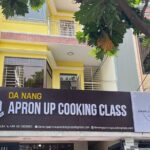
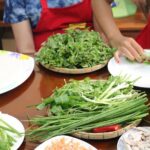
Han Market: where you start tasting Vietnam
Your day typically begins with a pickup from a hotel in Da Nang center. You’ll catch the guide in one of two time windows: 8:00–8:30 AM for the morning slot, or 2:00–2:30 PM for the afternoon slot. After pickup, you’ll head to the Han Market area for the ingredient hunt.
This isn’t just a quick walk past stalls. The point is to choose ingredients with a quality lens—what looks fresh, what smells right, and what fits the dish you’ll cook later. You’ll also get a quick cultural add-on stop along the way at Da Nang Cathedral (so you get a bit of city context without turning it into a sightseeing day).
Why that market part matters: Vietnamese cooking is ingredient-driven. If you pick the right herbs, the right fruit (for papaya or mango salads), and the right proteins, your finished dishes taste like they belong in Vietnam instead of tasting like an “inspired by” version.
If you’re deciding whether to do this, here’s the gut-check: you should be the sort of person who enjoys noticing details. If you like food markets and don’t mind asking questions, you’ll get a lot out of this stop.
Garden time: learning vegetables start the flavor
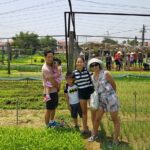
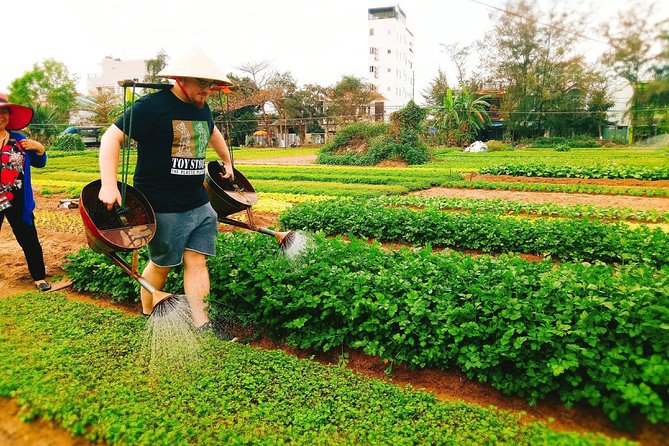
After the market, you’ll head into a garden/farm activity portion. The setup is meant to feel agricultural, not theatrical. You’ll join farmers preparing the land and growing vegetables, then practice as if you’re doing some of the work yourself.
Even if you’ve done farm tours before, the value here is the connection. You’re not just seeing plants; you’re seeing the raw material your dishes will later depend on—greens, herbs, and vegetables used in traditional Vietnamese cooking.
From a comfort standpoint, garden/farm time is often where a cooking class either feels magical or mildly annoying, depending on weather and your shoes. This experience does require decent weather, so on a rainy day it may be rescheduled or refunded. For the day you go, wear comfortable closed-toe shoes and expect some walking.
Coffee, tea, and dessert before the kitchen work
Before you start cooking, you’ll take a break that goes beyond water. You’ll sit down for Vietnamese coffee, and the day also includes tea tasting and dessert as part of the overall experience.
This matters for two reasons:
- It gives you a reset before you start frying and mixing.
- It keeps the whole experience from feeling like nonstop labor.
Also, the coffee-and-tea timing usually gives you a moment to ask questions. If English is your second language, this part can make the class feel easier because you’re chatting while you’re tasting something familiar-ish.
Pick your day: two four-dish menus
The menu changes based on the day of your tour, so check the schedule when you book. You’ll always cook 4 dishes, but which four depends on whether you’re in Menu 1 or Menu 2.
Menu 1 (Mon, Wed, Fri, Sun)
- Quang Noodle
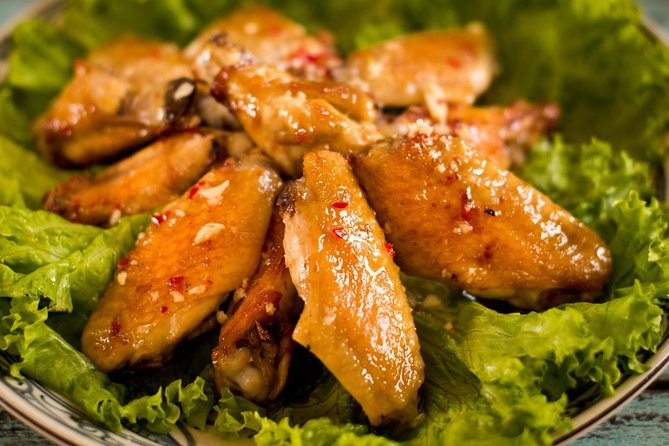
- Fish sauce chicken wing
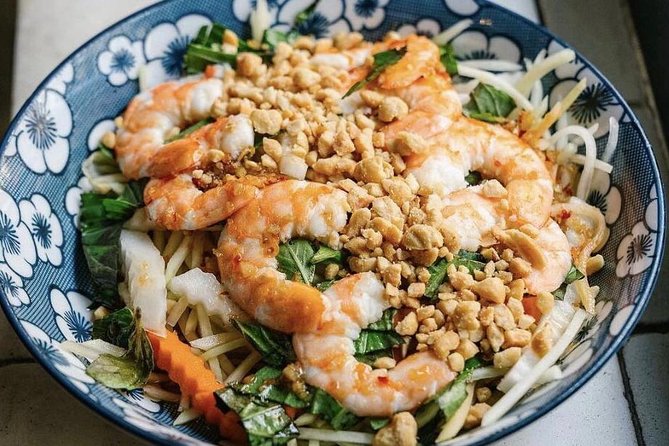
- Green papaya salad with shrimp
- Deep-fried spring rolls
Menu 2 (Tue, Thur, Sat)
- Beef noodle soup
- Crispy Vietnamese Pancakes (Banh Xeo)
- Green mango salad with shrimp
- Fresh spring roll
This rotation is a smart planning detail. It helps the class match seasonal ingredients and keeps repeat cooking classes from feeling identical.
If you love variety, Menu 2 tends to feel more “wow” because Banh Xeo is a showpiece—crisp edges, savory filling. If you love fruit-forward salads, either menu has you covered with a green papaya or green mango shrimp salad. And if you like familiar comfort food, both menus include noodles, soup, or crispy wraps.
One more practical point: cooking classes can look light on paper and end up being a lot in real life. The structure here includes making the dishes and then eating them, and many people come away full.
You can also read our reviews of more tours and experiences in Da Nang

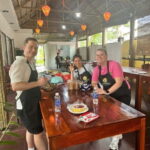


Cooking at a local house: learn, then eat your work
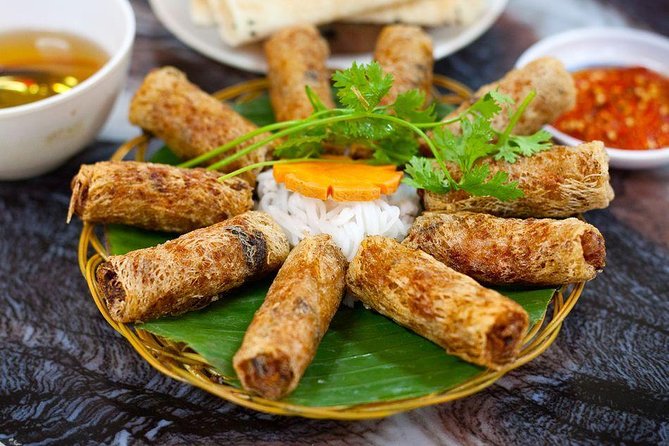
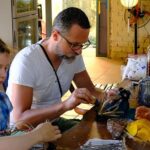
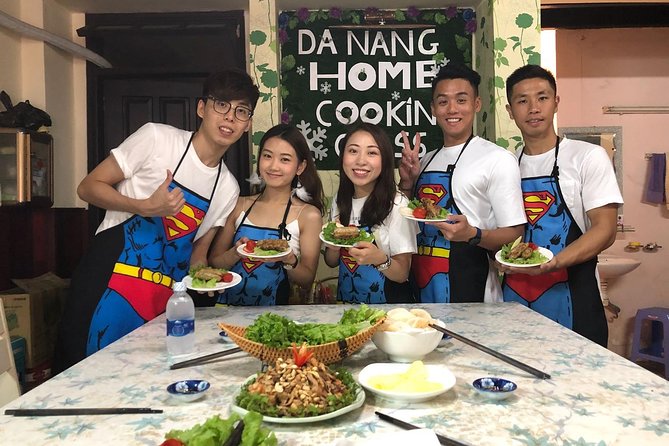
Around 9:15 AM (morning slot) or 3:15 PM (afternoon slot), you’ll move to the local house where the cooking happens. This is where the experience really earns its value: you learn classic techniques from a local family setup, then you take a real role in the process.
The class focuses on fundamentals you’ll actually use:
- how to prep ingredients for Vietnamese flavors (not just chop randomly)
- how to combine tastes for salads, noodles, and rolls
- how to manage heat for frying or crisping
You’ll also have English-speaking instruction and recipe copies in English, which helps when you want to recreate your results later. Just remember: these are recipes, not chemistry experiments. If you follow the steps and pay attention to texture (crispy vs. soft, bright vs. dull), you’ll get close to what your guide is aiming for.
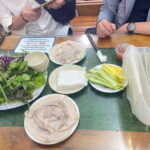
The best part is that you don’t just taste a sample plate and leave. You sit down and enjoy the meal you made. That turns “learning to cook” into “learning to cook a full Vietnamese meal,” and it’s why people rate this so highly.
Also, the kitchen portion often feels like a family-style hangout. In the experience, multiple instructors and helpers show up (names like Lyn, Sophia, and others appear in feedback), and that extra attention can make a difference if you’re nervous about cooking.
Time, transport, and how to plan your day
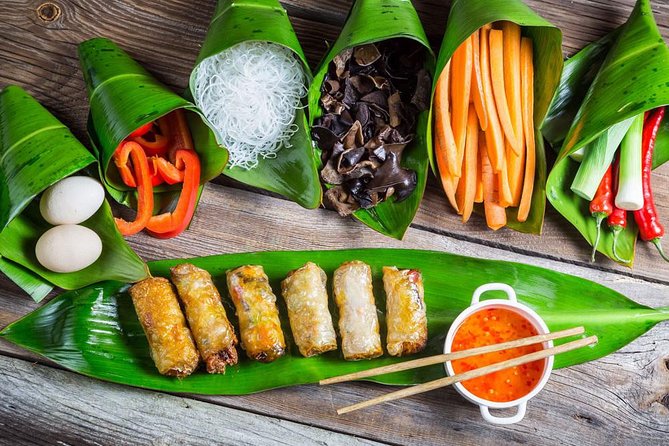
Everything is built around a compact timeline. The experience starts after pickup and ends around 12:00 PM for the morning slot or 6:00 PM for the afternoon slot.
That matters because Da Nang travel days can fill up fast. Here’s how to plan it:
- If you want a full lunch break window, pick the morning slot.
- If you want dinner vibes without the stress of planning, pick the afternoon slot.
Transport-wise, pickup is included for the full tour option (hotel pickup in Da Nang center). Drop-off is not included, so you’ll want to confirm where you’ll end and how you’ll get back. Often the itinerary ends at the destination area, but the key is: don’t assume you’ll be returned to your exact hotel.
And because this needs reasonable weather, it’s wise to keep your schedule flexible. If weather forces a change, you may be offered another date or a refund.
Price check: is $26 good value for this much food?
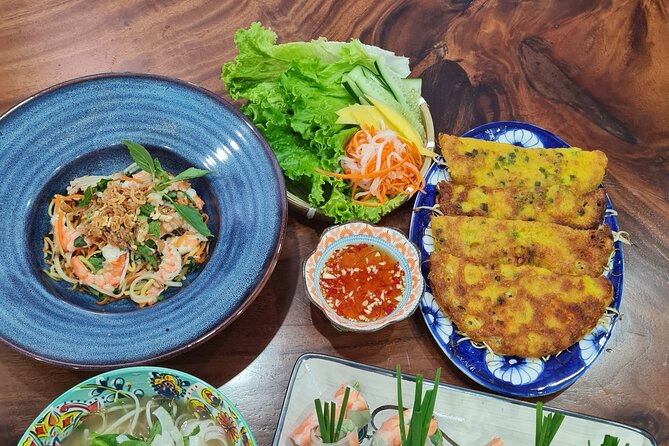
At $26 per person, this isn’t just a “taste test.” You pay for:
- market selection time (ingredient guidance)
- garden/farm interaction
- cooking instruction
- multiple dishes made by you
- sit-down eating, plus Vietnamese coffee and dessert
- water and English recipe support
That’s why the economics work. Many cooking classes in tourist areas focus on a single dish or a quick demo. This one keeps the labor and learning aligned with the amount you eat afterward. You also get a bigger “local life” package because the day includes both Han Market and a garden/farm stop, not just a kitchen.
If you’re traveling solo, it can still be a good buy because the cap on group size makes it feel personal. If you’re traveling as a couple or friends, it’s even easier to justify because you’ll likely finish with a full stomach and a clearer idea of what Vietnamese flavors you actually like.
Should you book this Da Nang home cooking class?
Book it if you want a hands-on meal with real local context. You’ll likely enjoy it most if:
- you like food markets and want to learn how to pick ingredients
- you’re curious about why Vietnamese cooking relies on fresh herbs and fruit-forward salads
- you want to cook four dishes and eat them right away
- you appreciate small groups and patient instruction
Skip it (or at least choose your timing carefully) if:
- your schedule is too tight for a 4-hour experience
- you don’t want to be actively cooking, walking, and moving between stops
- you’re traveling on a day where weather is unpredictable and you hate rescheduling
If you’re on the fence, my simple rule is this: if you’re the kind of traveler who remembers meals you made yourself, not just meals you ordered, this is a strong match.
FAQ
FAQ
What is included in the home cooking class?
The experience includes a market tour, farming activity, water, all ingredients, English recipe copies, an English-speaking instructor, Vietnamese coffee, dessert, and (for the full tour option) pickup service.
How many dishes will I cook?
You’ll learn to cook and make four traditional Vietnamese dishes, and you’ll eat the meal you prepare.
Do the dishes change depending on the day?
Yes. There are two menu rotations. Menu 1 runs on Mon, Wed, Fri, and Sun, and Menu 2 runs on Tue, Thur, and Sat.
Where do I get picked up?
Pickup is offered from hotels in Da Nang center, handled by a local guide.
Is drop-off included after the tour?
Drop-off service is not included, so you’ll want to plan how you’ll get back after the experience ends.
How long does the cooking class last?
The duration is about 4 hours.
What time does the tour start?
You’ll start either in the morning (pickup around 8:00–8:30 AM) or in the afternoon (pickup around 2:00–2:30 PM). Cooking typically begins around 9:15 AM or 3:15 PM, and the tour ends around 12:00 PM or 6:00 PM.
Does the class require good weather?
Yes. The experience requires good weather. If it’s canceled due to poor weather, you’ll be offered a different date or a full refund.
How big is the group?
It’s capped at a maximum of 10 travelers (often described as under 10), which supports a more personalized experience.