REVIEW · DA NANG
Da Nang/Hoi An to Hue via Bach Ma National Park Trekking
Book on GetYourGuide →Operated by CONNECTTRAVEL · Bookable on GetYourGuide
Bach Ma is a workout with payoff. This trip turns your Da Nang or Hoi An to Hue transfer into an actual day outside, with Hai Van Pass scenic driving plus forest trekking and lake-and-waterfall views. I especially like how you get classic Central Vietnam viewpoints before you even start hiking.
My second big favorite is the start of the trek at Ngu Ho (Five Lakes), where you walk through the forest and have a real chance to cool off in the lakes. One consideration: it is not a casual stroll. You should expect steep, uneven trails and brook crossings, so if you have heart issues or mobility limits, this won’t be a good fit.
In This Review
- Key things to know before you go
- From Da Nang or Hoi An to Hue, but make it scenic
- Hai Van Pass up top, not just a tunnel
- Lap An Lagoon: a calm stop beside forest and coast
- Arriving at Bach Ma: small group, guided, and practical
- Trek Stage 1: Ngu Ho (Five Lakes) and swimming if you want it
- Trek Stage 2: Do Quyen Waterfall and that 300m drop
- Picnic lunch with mountain views, not just a random stop
- Trek Stage 3: Vong Hai Dai summit views at 1,448m
- Pace, fitness level, and who should skip this
- What you get for the $86 price (and why it can be a good deal)
- Small group + early start: the tradeoff you should expect
- Practical tips to make the trek feel easier
- Is it worth it for you? My quick recommendation
- Should you book the Da Nang/Hoi An to Hue Bach Ma trekking day?
- FAQ
- What time does the tour pick you up in Hoi An and Da Nang?
- How long is the experience?
- Is this a small group tour?
- Does the day include trekking and swimming?
- What are the main stops during the tour?
- What’s included in the price?
- Who should not join this tour?
Key things to know before you go
- Hai Van Pass viewpoints instead of just passing through a tunnel
- Lap An Lagoon stop for a calmer break before the hike
- Small group size (max 12) with an English guide at Bach Ma
- Ngu Ho (Five Lakes) as a trekking route with the best swimming option
- Do Quyen Waterfall with a dramatic 300m drop
- Vong Hai Dai panoramic lookout at 1,448m, the highest point in the park
From Da Nang or Hoi An to Hue, but make it scenic
The best way I can describe this day is: you move between cities, but you don’t waste the day staring out a van window. You get a structured transfer, then you earn the views with a guided trek inside Bach Ma National Park. It’s a smart option if you’re doing a classic Hue stop but still want nature time without adding another hotel night.
You’ll be picked up early—6:30am from Hoi An or 7:00am from Da Nang—so the day starts before the heat fully kicks in. The route is designed to give you the big scenic highlights before the hike, so you’re not stuck waiting around once you reach the park gate.
You can also read our reviews of more hiking tours in Da Nang

Hai Van Pass up top, not just a tunnel
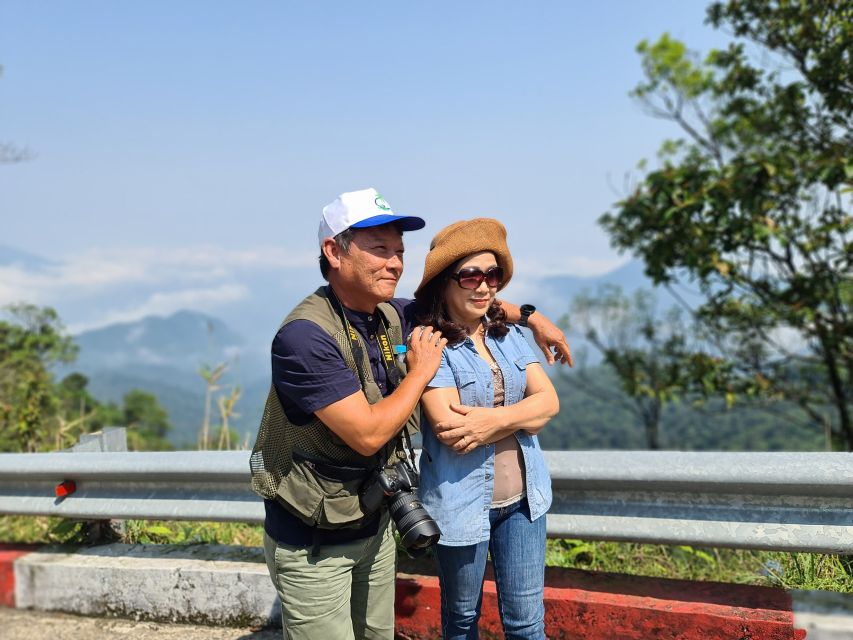
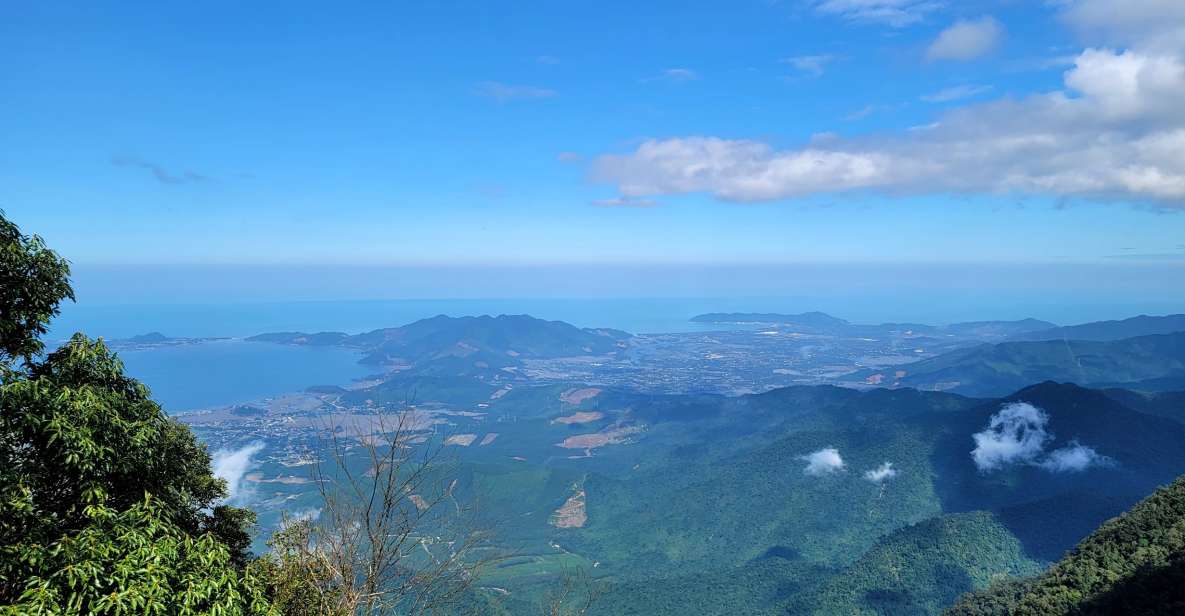
Most transport between Da Nang and Hue cheats: it goes through the Hai Van Pass tunnel. Here, you go up the pass for views. That matters, because Hai Van Pass is known for dramatic mountain angles and a mix of blue sky and green forest—exactly the kind of scenery that makes the Central Coast feel like the real deal.
This is also where the day sets its tone. You start with open sightlines, then you transition into the tighter, cooler feeling of the national park. Even if you’re not a scenery-obsessed person (I’m not always), you’ll understand why this stop is built in.
Lap An Lagoon: a calm stop beside forest and coast
After Hai Van Pass, you’ll visit Lap An Lagoon. It’s a large brackish lagoon in Hue province, about 800 hectares, and it’s known for both beauty and wildlife habitat—especially aquatic plants and animals.
What I like about this stop is the pacing. It’s a gentler moment before the trekking begins. You get a wide-water view (not another viewpoint where you just stand and rush on), and it helps you reset your legs and your expectations for the morning hike.
Arriving at Bach Ma: small group, guided, and practical
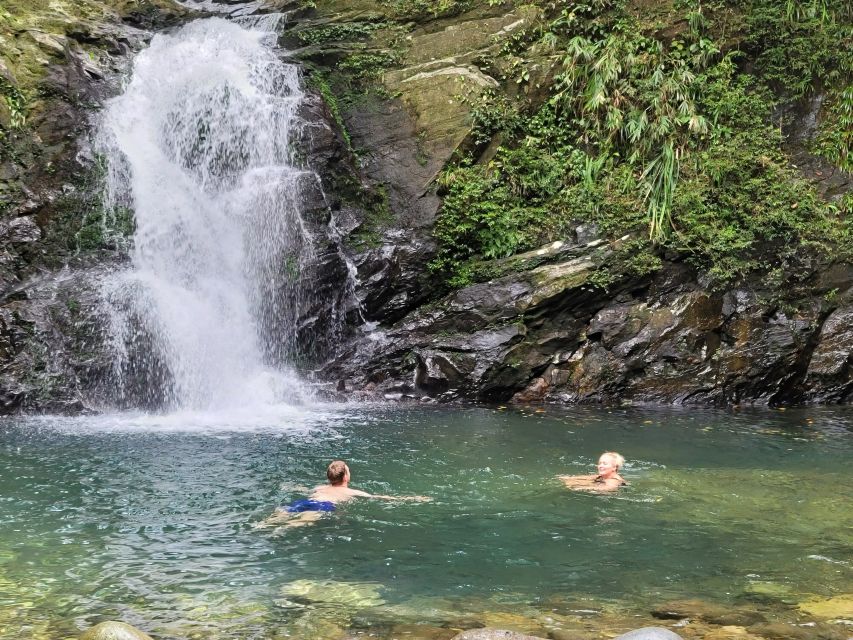
Around 9:30am, you’ll check in at the Bach Ma National Park Gate and join the small-group trekking portion. The group is limited to 12 participants, which is a big deal if you don’t want to feel lost in a crowd while navigating uneven ground.
You’ll have an English-speaking guide during the park portion, and you’ll also get things that reduce friction: an included bottle of water, entrance tickets, and travel insurance. That’s part of the value here—less pre-planning on your side, more time actually enjoying the day.
Trek Stage 1: Ngu Ho (Five Lakes) and swimming if you want it
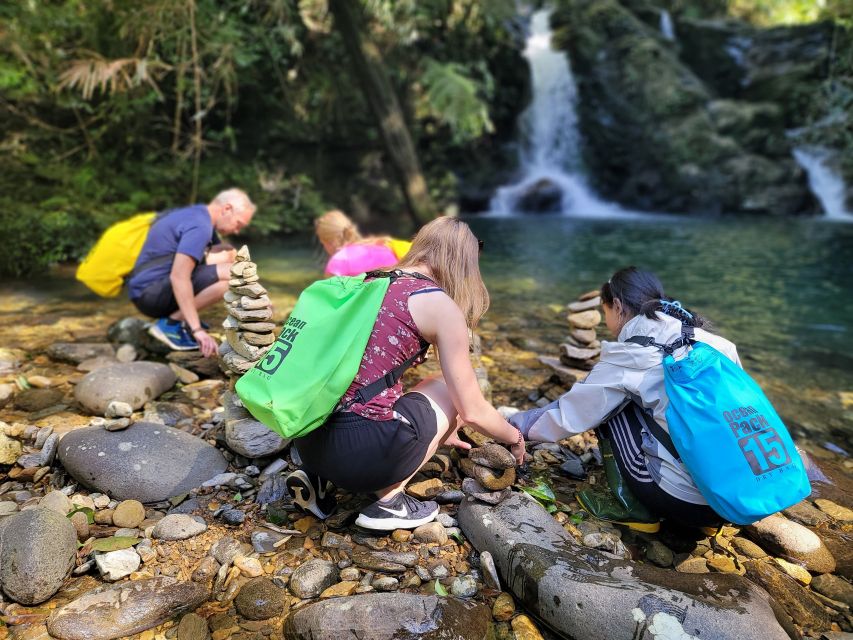
The hike starts with Ngu Ho (Five Lakes). This section includes about 2 kilometers of trekking and walking through the forest route to reach the five lakes at different levels. It’s not just a name check—this is one of the most rewarding parts because you’re moving from lake to lake, not doing one viewpoint and turning back.
And yes, this is also the best place to go swimming. If that’s your thing, bring a swimsuit and a way to keep it from turning into a soggy mess. Even if you don’t swim, the water setting makes the trek feel less like exercise for exercise’s sake.
A practical note: lake areas can be slippery, and forest paths can be uneven. Wear shoes you trust on wet ground.






Trek Stage 2: Do Quyen Waterfall and that 300m drop
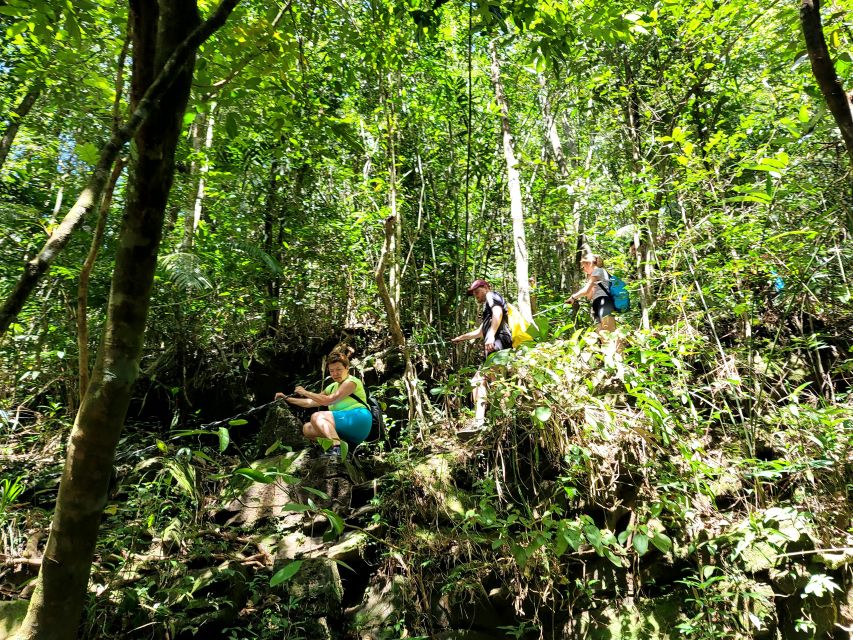
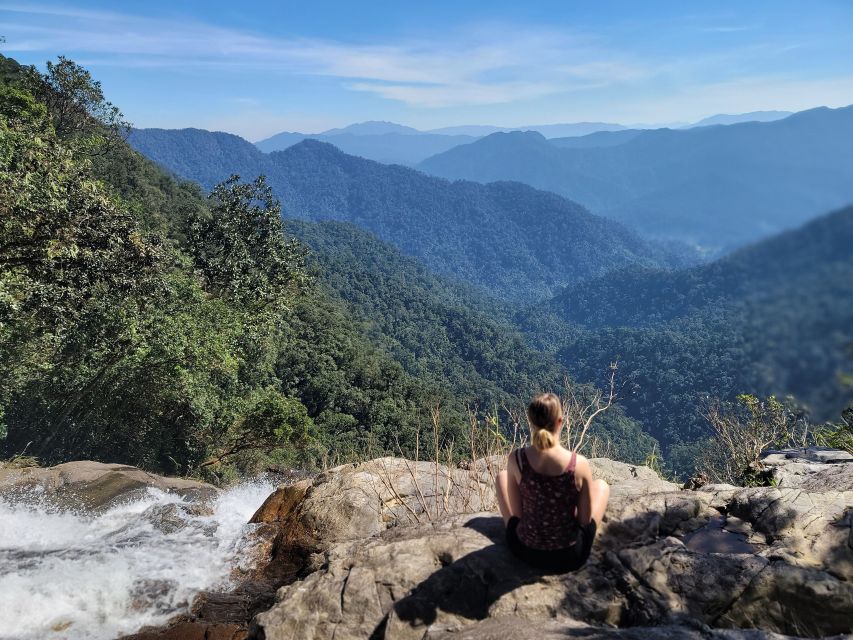
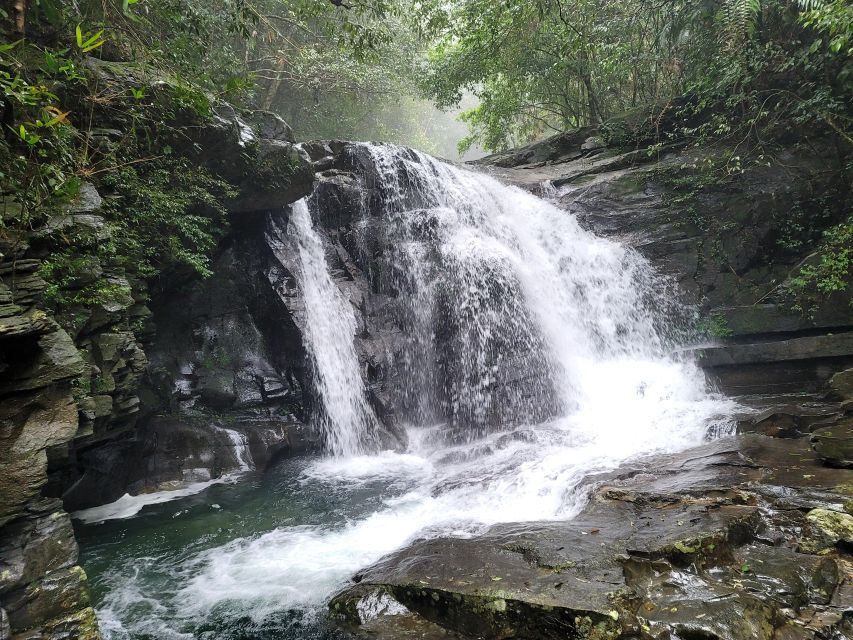
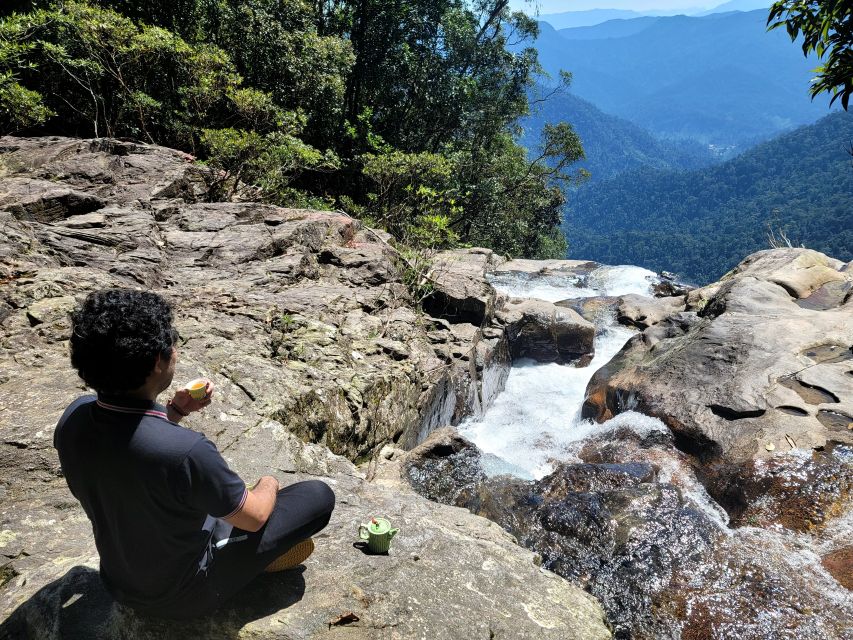
After Ngu Ho, you continue to Do Quyen Waterfall, where the water spills down a steep cliff about 300m high. This stage is more demanding than Stage 1. The trail is described as rugged with steep slopes and includes brook crossings.
What I like here is the reward-to-effort ratio. The moment you reach the waterfall area, you get that secluded, cooler air feeling—bird songs and a quieter atmosphere that’s hard to replicate elsewhere. It’s the kind of stop that makes the steep parts feel worth it.
Still, if you’re not comfortable with uneven footing, this is the stage where you’ll feel it. Take your time, and don’t rush the brook crossings.
Picnic lunch with mountain views, not just a random stop
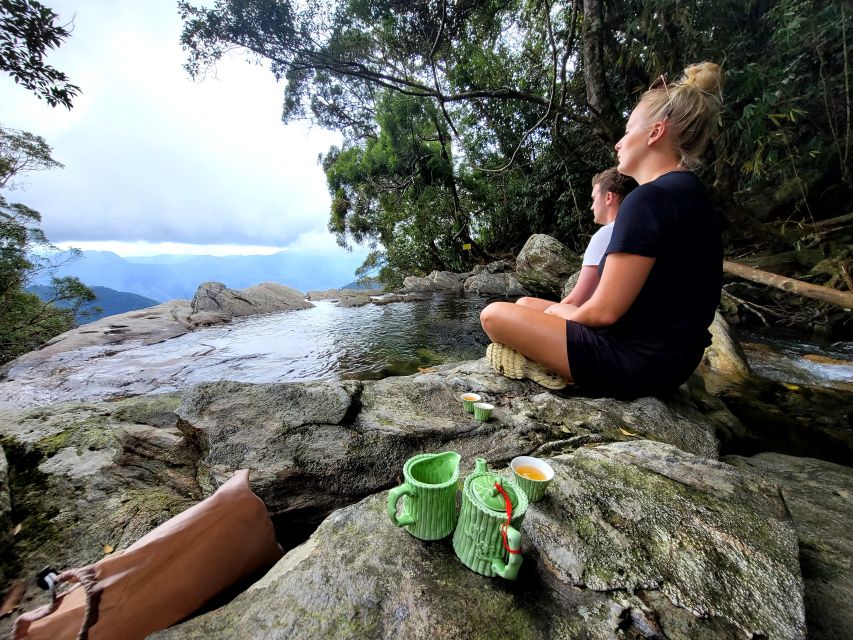
You’ll have picnic lunch during the trekking day, with time to enjoy the broader mountain views. This is one of those “small” inclusions that changes the whole experience. Instead of hunting for food or timing a restaurant between two transport legs, you’re fed as part of the hike.
My advice: treat lunch like part of the hike’s rhythm. Eat enough to keep your energy steady, then save some appetite for the later summit viewpoints. And if you packed snacks, keep them for the moments when you start to feel that long-day fatigue.
Trek Stage 3: Vong Hai Dai summit views at 1,448m
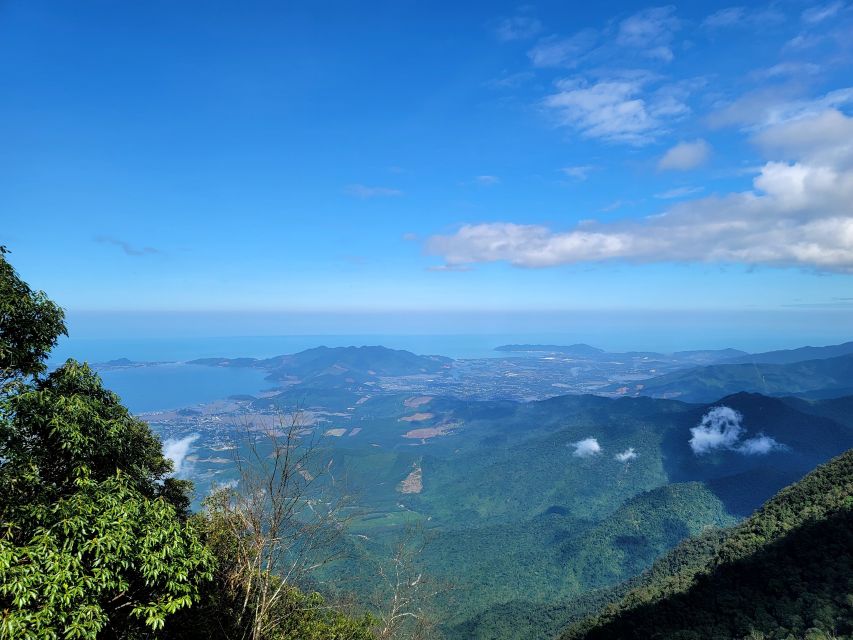
The final hiking segment takes you to Vong Hai Dai, which sits at 1,448 meters above sea level—the highest point in Bach Ma National Park. This is the big panorama payoff, and you’ll likely feel it most in the way the views open up when you reach the higher ground.
Even if you’ve taken a lot of hikes, “highest point” changes the experience. The climb tends to force you into a slower pace and more focused attention on where you’re stepping, and then the view does the talking.
You’ll be leaving the park around 4:00pm, and the day wraps with a drop-off at your Hue hotel. That timing is helpful: you get the hike and still have enough daylight for the transfer without arriving too late.
Pace, fitness level, and who should skip this
This is a full day: about 10–11 hours, with early pickup, scenic stops, and a multi-stage trek. The trekking stages include forest walking, steep slopes, brook crossings, and a summit viewpoint—so it’s best for people who are comfortable hiking for hours and managing uneven terrain.
It is explicitly not suitable for:
- pregnant women
- people with heart problems
- wheelchair users
- people over 331 lbs (150 kg)
- people over 70 years
If you’re a casual walker or you’re returning from injury, I’d honestly think twice. There’s enough challenge here that you’d spend the day worrying about your body instead of enjoying the scenery.
What you get for the $86 price (and why it can be a good deal)
At $86 per person, this works out best if you compare it to the cost of piecing everything together yourself. You’re paying for a lot that usually costs money and time separately:
- hotel pickup from Da Nang or Hoi An, plus drop-off in Hue
- park entrance tickets
- English-speaking guide during the trek
- picnic lunch
- transportation between the key spots
- travel insurance
- bottle of water
The value is strongest when you want a single-ticket plan that handles the hard parts: timing, getting between cities, and staying on route in the park. You also get the benefit of doing Hai Van Pass and Lap An Lagoon without needing to drive or organize everything.
If you already plan to rent a motorbike and do it all independently, this may not feel like the cheapest option. But if you want low-stress logistics with real hiking payoff, the price starts to look reasonable fast.
Small group + early start: the tradeoff you should expect
With a maximum of 12 participants, you get a more personal feel and less waiting. The tradeoff is that the day is structured. You’re leaving around 4:00pm, so you can’t linger in one spot just because the view is nice.
Also, you’ll be on the clock from early morning onward. If you’re the type who likes sleeping in, this will feel intense. Still, the early hours help you enjoy the forest and viewpoint stops without turning the day into a heat slog.
Practical tips to make the trek feel easier
Here are the choices that typically matter most for a day like this, based on what’s included and what the trail involves:
- Bring shoes with grip for forest paths and brook crossings.
- Pack a swimsuit if you want to use the Ngu Ho swimming opportunity.
- Plan for a long day: water is provided, but you’ll still want your own small comfort items.
- Expect cooler air during the waterfall area and steady effort on steep sections, so dress in layers you can adjust.
Is it worth it for you? My quick recommendation
I’d book this if you’re traveling between Da Nang/Hoi An and Hue and you want one day that blends transport, sightseeing, and a real national park trek. It’s ideal for active travelers who like nature stops more than museum stops.
I wouldn’t book it if you:
- want an easy stroll with minimal elevation and uneven ground
- need wheelchair-friendly access (it is not suitable)
- have mobility limitations, heart problems, or you’re pregnant
- prefer a slower day with lots of free time
Should you book the Da Nang/Hoi An to Hue Bach Ma trekking day?
If you want to save time and still get meaningful nature scenery, this is a strong pick. The combination of Hai Van Pass up top, the Lap An Lagoon pause, and the three-part Bach Ma trek makes the day feel like more than a transfer. For $86, you’re also getting a lot bundled in—guide, entrance tickets, picnic lunch, and transport—so you don’t lose half your day figuring things out.
If your priority is just getting from point A to point B with zero hiking, choose a simpler transport option. But if you’re even mildly excited by forests, lakes, and a big waterfall, this is the kind of day trip that actually earns its time.
FAQ
What time does the tour pick you up in Hoi An and Da Nang?
Pickup is 6:30am from Hoi An and 7:00am from Da Nang.
How long is the experience?
The duration is 10–11 hours.
Is this a small group tour?
Yes. It’s limited to a small group of up to 12 participants.
Does the day include trekking and swimming?
Yes. You’ll trek through Ngu Ho (Five Lakes), which is described as the best place to go swimming.
What are the main stops during the tour?
You’ll see Hai Van Pass, Lap An Lagoon, and then hike in Bach Ma National Park (including Ngu Ho, Do Quyen Waterfall, and Vong Hai Dai).
What’s included in the price?
Included are hotel pickup and drop-off to Hue, picnic lunch, an English-speaking guide at Bach Ma, bottle of water, travel insurance, entrance tickets, and transportation.
Who should not join this tour?
It is not suitable for pregnant women, people with heart problems, wheelchair users, people over 331 lbs (150 kg), or people over 70 years.