REVIEW · DA NANG
Da Nang Cooking: Market tour, farming, and cooking class
Book on GetYourGuide →Operated by HOI AN FOOD TOUR · Bookable on GetYourGuide
Cooking starts before you ever touch a pan. You’ll love the hands-on farm + market setup, and the way you learn to make real Vietnamese comfort food like Pho and Quang noodle. One thing to consider: you don’t get hotel pickup, so you’ll want to plan an easy meeting point.
The class runs in small groups (about 14 people), so you’re not stuck watching from the back row. You can also pick a shorter cooking-only option if time is tight, or go full farm-to-market-to-kitchen.
This is set up to work in sun or rain, and the whole experience feels designed for learning, not just eating. If you hate getting a little messy or warm—gardens and prep are part of the fun—then this might feel less relaxing than a pure meal tour.
In This Review
- Key things to know before you go
- From organic farm beds to the market stall
- How the market tour teaches Vietnamese ingredients fast
- Farming hands-on: what “practice as a Vietnamese farmer” really means
- Cooking class: the 4 dishes you’ll learn (and why the menus matter)
- Menu 1 (Mon, Wed, Fri)
- Menu 2 (Tue, Thu, Sat, Sun)
- Vegetarian option (available as Menu 3)
- What you’ll actually do in the kitchen
- Herbal tea tasting and dessert: closing the loop
- Picking the right time: 2.5 hours vs full 4-hour day
- Cooking-only option
- Full experience
- Price and value: is $25 a fair deal?
- Who this tour is for (and who might skip it)
- The short list of details you’ll want to remember
- Should you book Da Nang Cooking?
- FAQ
- How long is Da Nang Cooking?
- What dishes will I learn to cook?
- Is there a vegetarian menu?
- What’s included in the price?
- Do they pick you up from your hotel?
- How big is the cooking class group?
- Is it wheelchair accessible?
Key things to know before you go
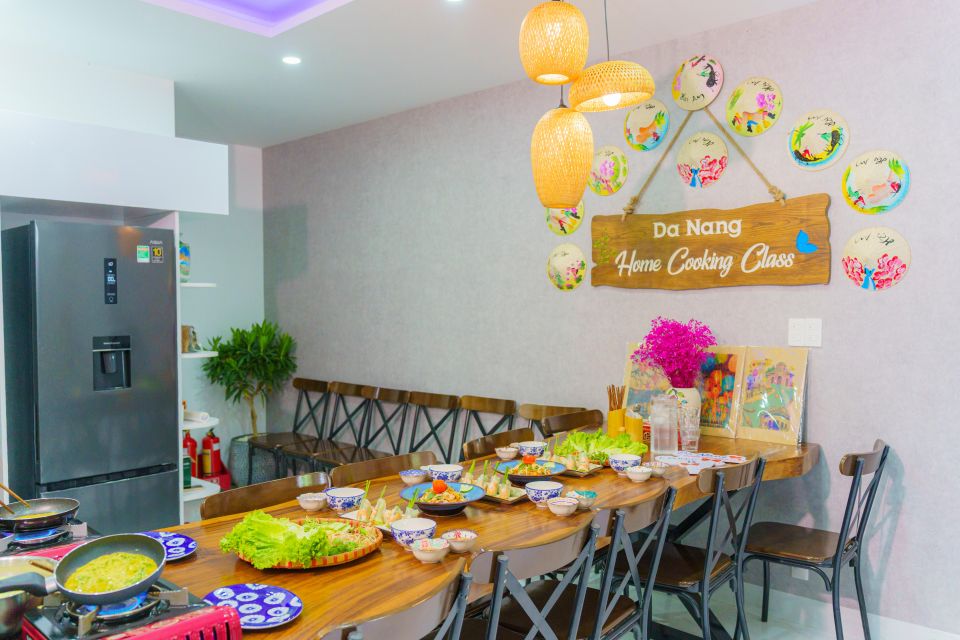
- Farm-to-market start: you begin at an organic farm with planting and watering before shopping for ingredients
- Market lesson, not just sightseeing: you’ll learn what key ingredients are and how to choose them
- Cook 4 dishes hands-on: the menu changes by day, with both meat and vegetarian options
- Herbal tea + organic ingredients: a simple tasting that adds context to Vietnamese flavors
- Small group cooking (about 14 people): more turns at the stove, less waiting
- Short or full format: cooking-only around 2.5 hours, or a full 4-hour farm + market + class day
From organic farm beds to the market stall
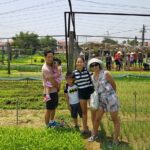
Da Nang Cooking is built around a smart idea: if you understand where ingredients come from, you cook with more confidence. The experience starts at an organic farm, where you learn the basics of growing before heading out to the fresh market to pick up what you’ll cook.
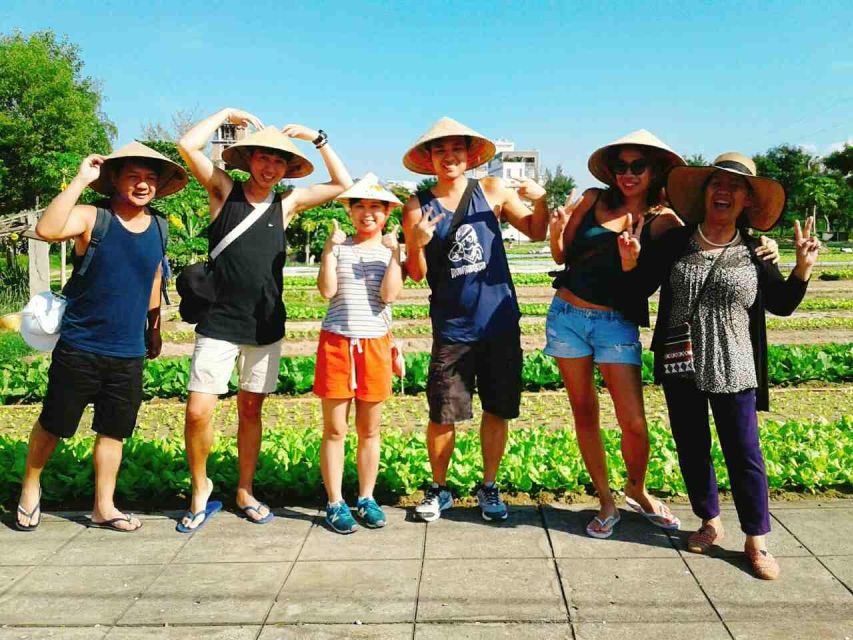
At the farm, you do more than take photos. You practice things like planting and watering, which helps explain why some vegetables taste the way they do in Vietnam. It also gives you a “Vietnam reality check.” Produce isn’t just a garnish. It’s the backbone of salads, herbs, and fresh rolls.
Then you transfer that knowledge to the local market. You’ll learn how Vietnamese cooks think about ingredients—what to look for, what to combine, and how certain flavors work together. If you’ve ever wondered why your spring rolls or sauce balance isn’t right at home, this market piece is where the answers start.
One practical note: the activity is designed to keep going in harsh sun or rainy weather, so don’t expect it to cancel just because conditions are less than ideal.
You can also read our reviews of more shopping tours in Da Nang
How the market tour teaches Vietnamese ingredients fast
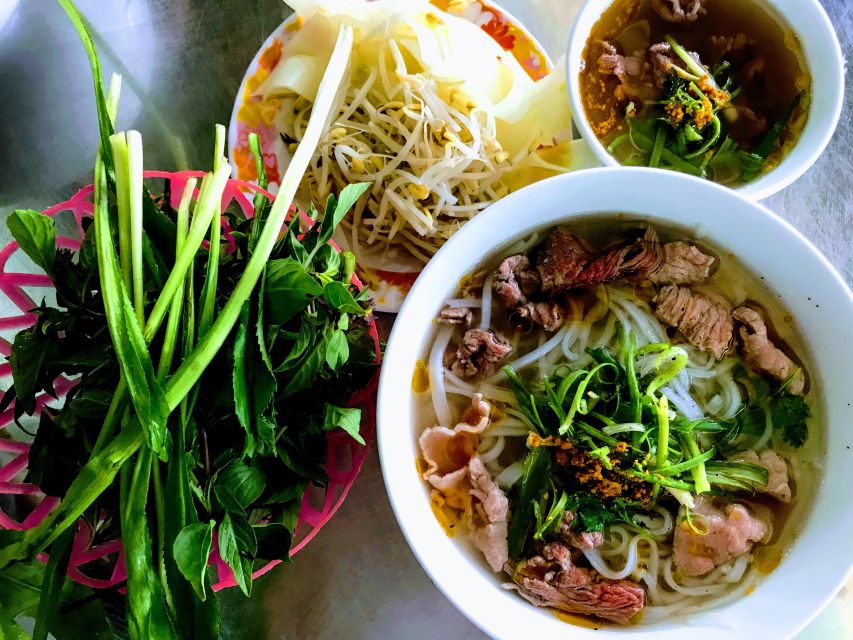
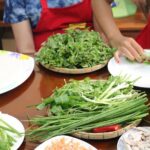
The market tour is one of the best parts because it’s guided learning, not a free-for-all. You’ll see a colorful spread of ingredients and then get help translating what you’re looking at into real cooking choices.
You’ll focus on items tied to your upcoming dishes. Depending on the menu day, that could include things like:
- vegetables used for salads
- herbs for fresh rolls
- ingredients for noodle dishes like Quang noodle or Pho
- items that go into crispy fried snacks
What I like about this approach is how quick it is. You don’t need hours of study to get a practical takeaway. You just need to pay attention while your English-speaking guide walks you through the ingredient logic.
And small group size matters here. With around 14 people, you can actually ask questions and hear the answers without shouting over the crowd. This also helps you move at the pace of the class rather than getting stuck lagging behind while everyone waits.
Farming hands-on: what “practice as a Vietnamese farmer” really means
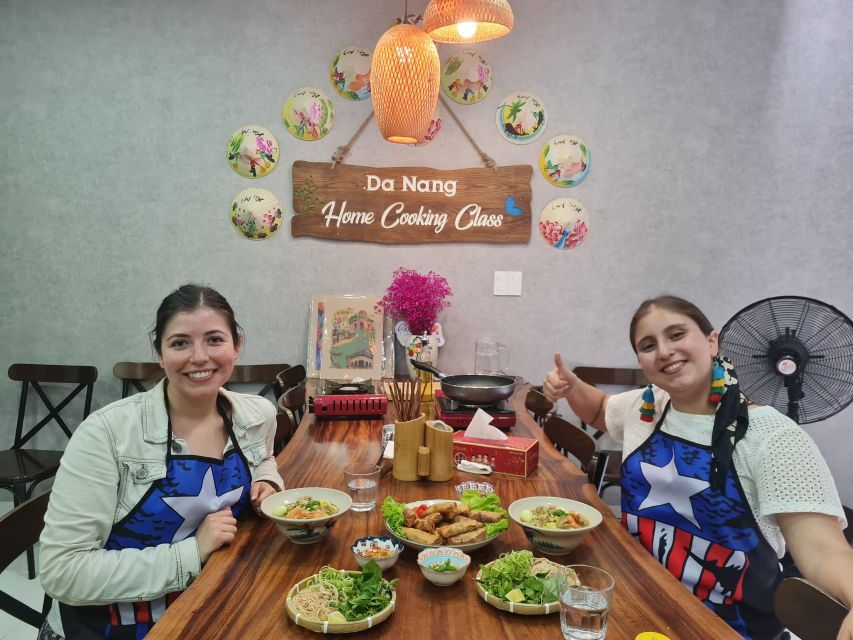
On paper, it sounds like a cultural experience. In practice, it’s practical work you can handle—even if you’re not used to outdoors chores. You’ll learn about growing at the farm, including planting and watering.
The goal isn’t to train you to farm for a living. It’s to teach you how Vietnamese cooking starts with fresh produce. When you later handle herbs, vegetables, and salad components, you’ll notice you’re cooking with intent, not just following steps.
If you choose the full format, you’ll likely spend meaningful time outdoors before the market and kitchen. Expect the possibility of heat and humidity. The good news: the program is set up so the experience remains unaffected by weather conditions, meaning they keep things moving rather than turning it into a half-failed plan.
If you’re traveling with kids or you want a family-friendly activity that’s active but not extreme, this farm stop is usually the highlight because it gives everyone a role.
Cooking class: the 4 dishes you’ll learn (and why the menus matter)
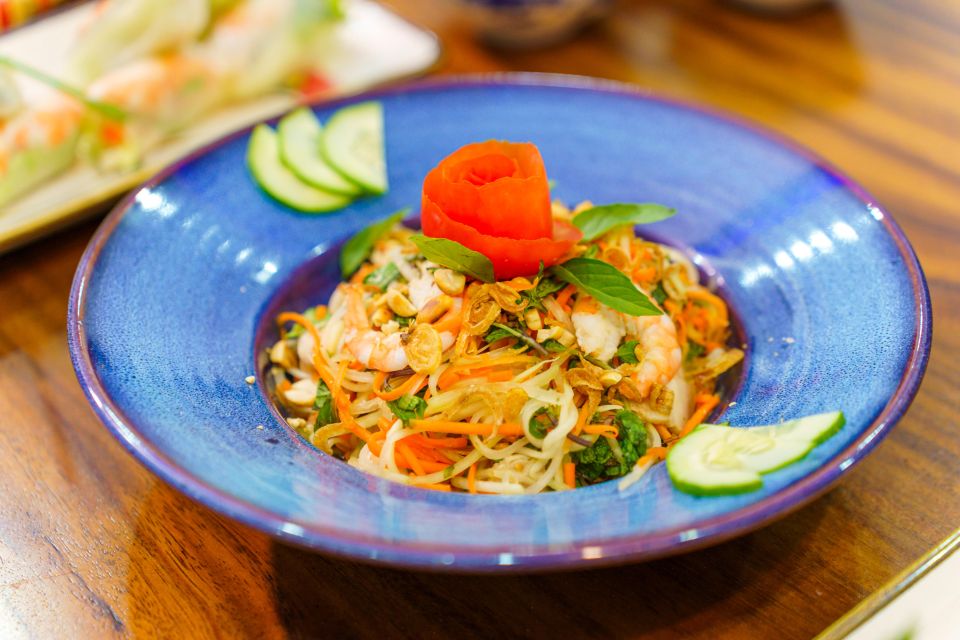
The core event is a hands-on cooking class where you learn to make 4 traditional dishes. The specific dishes depend on the day, and that’s important because the skills overlap but the flavor combinations change.
Menu 1 (Mon, Wed, Fri)
You’ll cook:
- Quang Noodle
- Fish sauce chicken wing
- Green papaya salad with shrimp
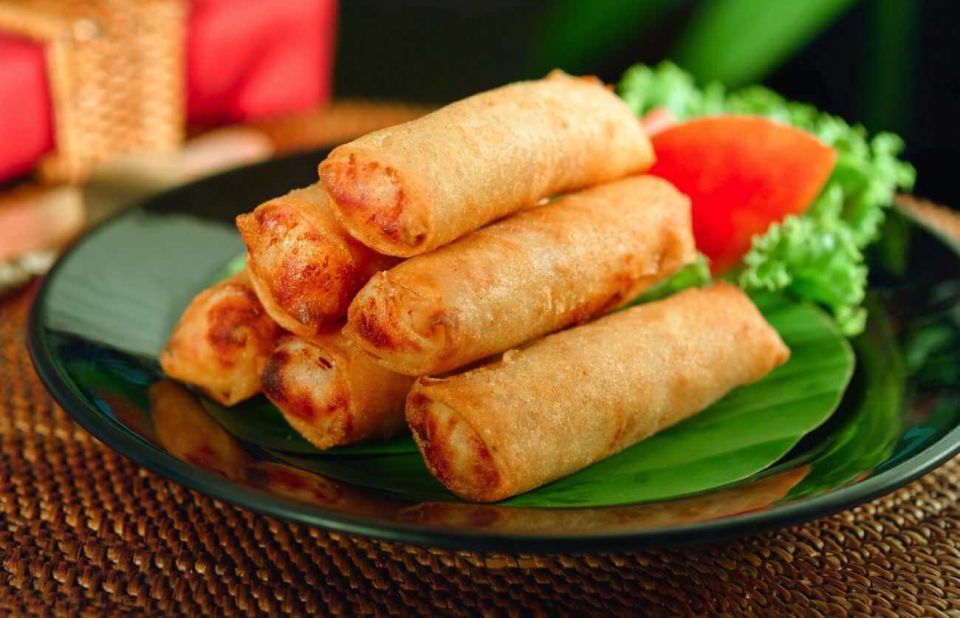
- Deep-fried spring rolls
This menu is great if you like the contrast of crunchy fried textures and bright, tangy salads. Papaya salad also teaches you how Vietnamese sweetness, salt, and sour work together—exactly what you’ll need later when you adjust sauces at home.
You can also read our reviews of more tours and experiences in Da Nang

Menu 2 (Tue, Thu, Sat, Sun)
You’ll cook:
- Beef noodle soup (Pho)
- Crispy Vietnamese Pancakes (Banh Xeo)
- Green mango salad with shrimp
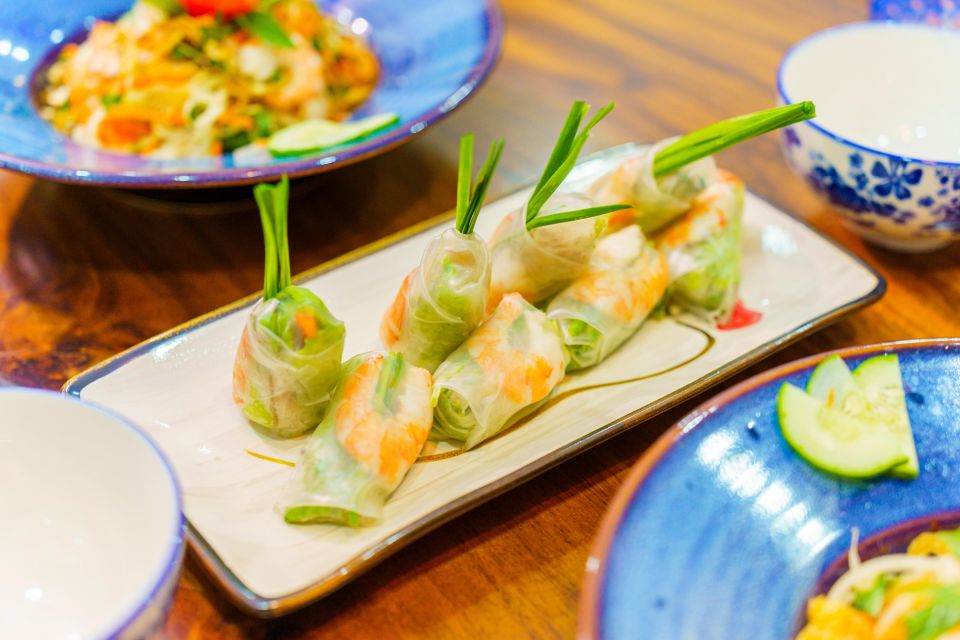
- Fresh spring roll
This is the most “classic Vietnam hits” lineup. Pho gives you noodle-soup basics and flavor depth. Banh xeo adds the fun challenge of crispy pancakes. And the fresh spring rolls show you how to roll and balance herbs with protein and dipping sauce.
In the feedback you’ll see people singled out for enjoying Banh xeo a lot. That tracks—Banh xeo is one of the dishes that feels impressive even when you’re learning from scratch.
Vegetarian option (available as Menu 3)
You’ll cook:
- Quang Noodle or Pho
- Eggplant stir fry
- Mango salad or papaya salad
- Fried spring roll or fresh spring roll
If you’re vegetarian, this option matters because it doesn’t just swap one ingredient. You still get the salad/sauce logic and noodle experience that makes Vietnamese food feel complete.
What you’ll actually do in the kitchen
The program is built for participation. With about 14 people, you can get hands on at each step. You’ll also get:
- English-speaking instruction
- English recipe copies
- dessert
- water and herbal tea
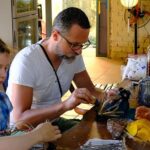
So you’re not just eating a meal. You’re leaving with something you can reproduce. That’s what makes this a real cooking class rather than a demo.
Also, the teaching approach seems focused on the “tricks of the trade.” Expect attention to details you might miss on your own—how to build flavor, how to manage texture, and how to time steps so everything hits the table together.
Herbal tea tasting and dessert: closing the loop
After the cooking, you’ll do herbal tea tasting with organic ingredients. This part may look small, but it matters. Tea tasting helps you connect flavors beyond what’s on your plate.
Then you finish with dessert. The day moves from learning ingredients to cooking them, then transitions into tasting everything as a completed meal. That “circle” is what makes the experience feel satisfying instead of rushed.
If you’re the kind of traveler who likes to understand food beyond the stove—how Vietnamese meals end, what herbal flavors do—this tasting adds context.
Picking the right time: 2.5 hours vs full 4-hour day
You can tailor the experience based on how much time you have.
Cooking-only option
If you don’t have much time, you can do the short class—about 2.5 hours focused on cooking.
This is a good fit if:
- you’re combining this with other Da Nang sights
- you want a cooking skill boost without a long travel day
- you’d rather spend your energy in the kitchen than outdoors
Full experience
Choose the full format (about 4 hours) to include:
- farming activity
- market tour
- cooking class
This is the best value if you want more than just food. The farm and market pieces give your cooking a “why,” not just a “how.”
There’s also an optional add-on: a coffee making workshop (about 1.5 hours). If Vietnamese coffee is on your trip list, this is a handy way to stack skills and flavor history into one morning or afternoon.
Price and value: is $25 a fair deal?
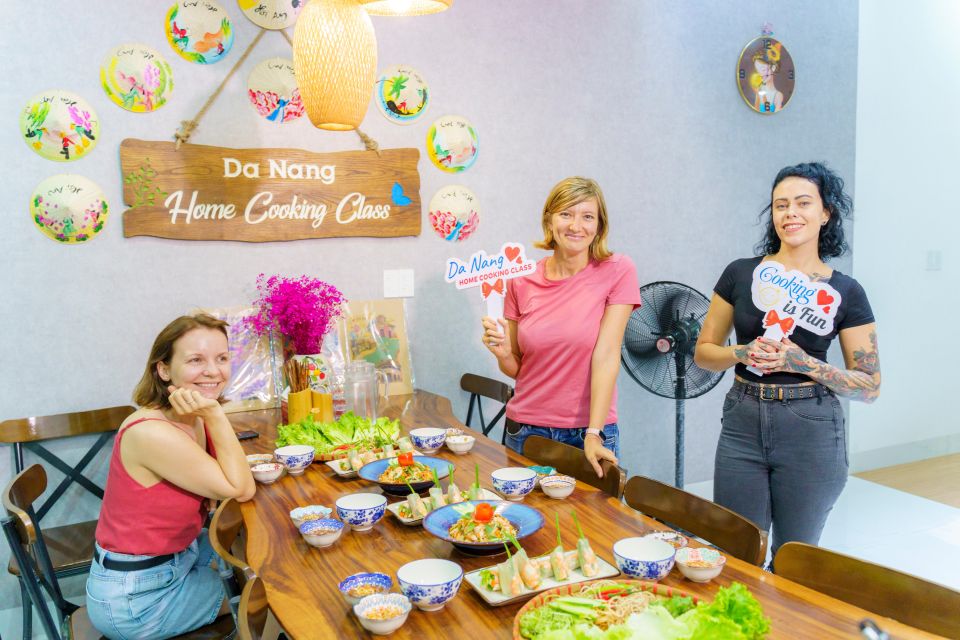
At $25 per person, this is priced like a practical food experience rather than a luxury tour. The value comes from what’s included and how you participate.
You’re getting:
- market tour
- farm activity (with the full format)
- English guide
- hands-on cooking of 4 dishes
- herbal tea, water, dessert
- all ingredients included
- recipe copies in English
The only thing not included is hotel pick up and drop off, so you’ll want to plan how you get there. That’s the one place where your own logistics can affect your overall comfort.
But if you can handle meeting points on your own, this price-to-instruction ratio feels solid. Small group size also helps—around 14 people means you’re more likely to actually do the cooking steps, not just stand near the stove.
Also, because the menu changes by day and includes both meat and vegetarian options, you can choose the day that matches what you want most: Pho, Quang noodle, Banh xeo, or salad-heavy freshness.
Who this tour is for (and who might skip it)
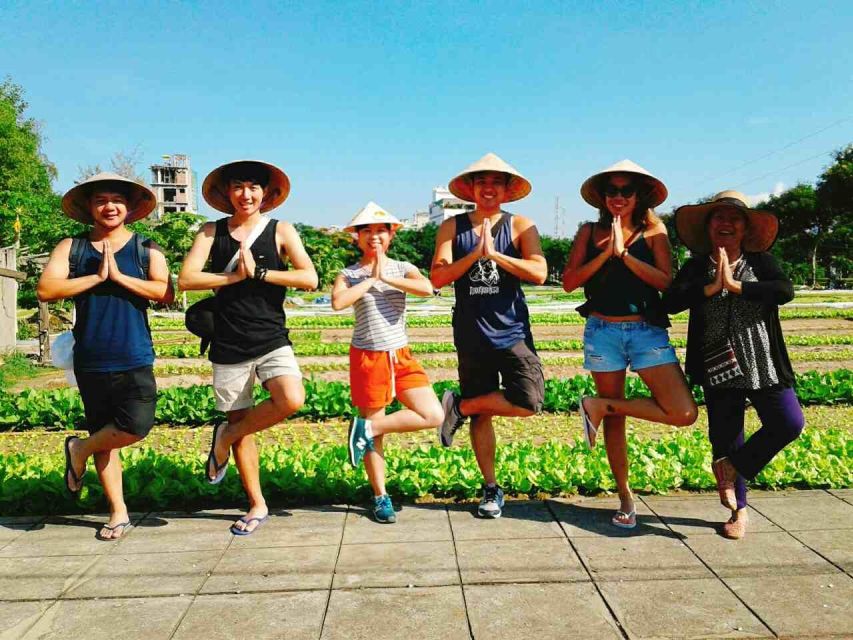
This class is a strong match if you:
- want a Vietnam food skill you can repeat at home
- like learning via ingredients and prep, not just tasting
- travel solo, as a couple, with friends, or with family
- prefer small group instruction (about 14 people)
It’s also a nice choice if you’re visiting Da Nang and want something more local than a typical restaurant meal.
You might consider skipping if:
- you want a super relaxed, sit-down-only experience
- you’re uncomfortable with outdoor time for planting and watering
- you strongly prefer hotel pickup convenience
The short list of details you’ll want to remember
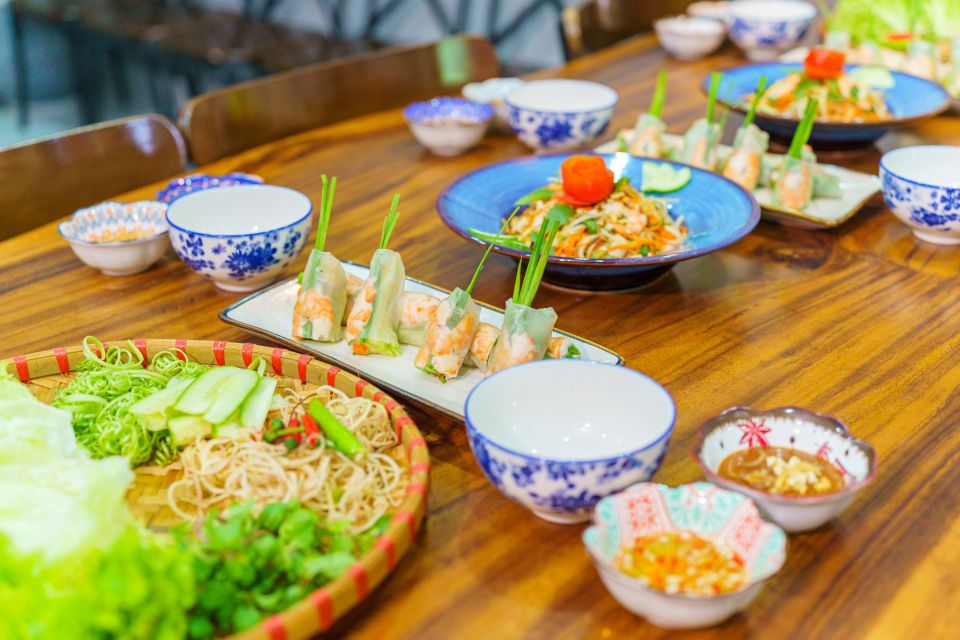
- Menus depend on the day: Menu 1 (Mon/Wed/Fri) centers Quang noodle; Menu 2 (Tue/Thu/Sat/Sun) centers Pho and Banh xeo
- Vegetarian is real, with its own set of dishes
- You’ll get English recipe copies, which is what turns a fun class into a lasting one
- Group size is small (around 14 people), so you should expect hands-on time at the stove
- Weather won’t stop the whole plan, but you still do outdoors activities
Should you book Da Nang Cooking?
If you like the idea of learning Vietnamese cooking from the ground up—farm basics, market ingredient choices, then four dishes you can actually reproduce—then yes, I’d book it. The combination of market learning and hands-on cooking is the real engine here.
This is also one of the better options if you care about value. For the money, you get instruction, ingredients, tea, dessert, and recipes in English, plus the short versus full-day flexibility. The only real drawback is that you’ll need to handle getting to and from the meeting point since pickup isn’t included.
If your priority is a quick cooking session and you’re short on time, choose the 2.5-hour option. If you want the full food story, go for the 4-hour farm-to-market-to-kitchen day.
FAQ
How long is Da Nang Cooking?
It runs between 150 and 270 minutes, depending on whether you choose a short cooking class or the full 4-hour experience.
What dishes will I learn to cook?
You’ll learn 4 traditional dishes, and which ones you cook depends on the day’s menu (Menu 1, Menu 2, or the vegetarian option).
Is there a vegetarian menu?
Yes. A vegetarian option is available and includes dishes such as Quang noodle or Pho, eggplant stir fry, and mango or papaya salad, plus fried or fresh spring rolls.
What’s included in the price?
Herbal tea, water, dessert, an English-speaking guide, all ingredients, and recipe copies in English are included. If you choose the full tour, the farming activity and market tour are included too.
Do they pick you up from your hotel?
No. Hotel pick up and drop off are not included.
How big is the cooking class group?
The class size is about 14 people, so you’ll have more chances to participate at each step.
Is it wheelchair accessible?
Yes, it is wheelchair accessible.