REVIEW · DA NANG
Da Nang: Tandoori Naan Bread-Making Class
Book on GetYourGuide →Operated by RANG Danang · Bookable on GetYourGuide
Tandoori naan is simple, but the technique is everything. In Da Nang at RANG Danang, I love how this class turns tandoori naan into a hands-on skill, not a demo, with a small group that keeps the vibe friendly and focused. You’ll work in their kitchen, learn the why behind the dough, then finish by tasting what you made.
The other thing I like a lot is the at-home payoff. You’re not only learning how to season and shape the bread, you also get pro tips for making restaurant-quality naan without a tandoor, plus ideas for toppings and even stuffed versions like paneer or keema.
One consideration: this activity isn’t suitable for kids under 7, so plan accordingly if you’re traveling with little ones.
In This Review
- Key Things You’ll Notice Right Away
- RANG Danang and the Kitchen You’ll Actually Work In
- What You’re Making: Soft, Fluffy Tandoori Naan (Not Just Any Flatbread)
- The Hands-On Part: Knead, Season, Shape, and Slap
- Tandoor Skills (and the Oven Alternative That Actually Works at Home)
- Naan Styles, Stuffings, and Dips That Turn Bread Into a Meal
- The People Factor: Friendly Chefs, Clear Guidance, Real Hospitality
- 1 Day in Da Nang: How Long It Takes and How to Plan Your Timing
- Price and Value: Why $2.60 Feels Like a Big Win
- Who Should Book This Naan Bread-Making Class
- Should You Book? My Practical Decision Guide
- FAQ
- Where is the Tandoori Naan Bread-Making Class held?
- How much does the class cost?
- How long is the experience?
- Do I need any cooking experience?
- How big is the class?
- What languages are used during the class?
- Is this class suitable for children?
- Are alcohol or drugs allowed?
- Can I cancel or change my plans?
- What’s included in the class?
Key Things You’ll Notice Right Away

- A Michelin Bib Gourmand setting: RANG Danang earned the MICHELIN Bib Gourmand in 2024 and 2025
- Small group teaching (up to 8): you get real guidance, not a crowded cattle-call
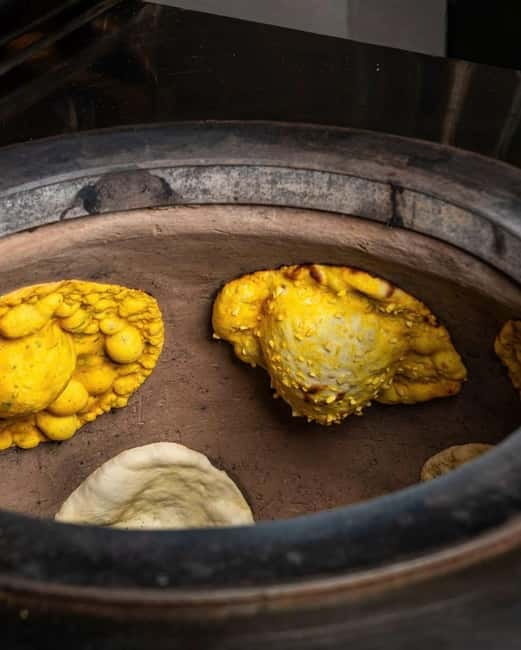
- From kneading to baking: you’ll make the dough and slap the naan onto a tandoor-style setup or an oven alternative
- Beginner-friendly with history lessons: you’ll learn both technique and the regional story behind naan
- Multiple naan styles and creative toppings: plain, garlic, butter, and stuffed variations
- You eat your results: freshly baked naan with signature dips
RANG Danang and the Kitchen You’ll Actually Work In
This class starts at RANG Danang, an internationally Indian restaurant in central Vietnam that has earned the MICHELIN Bib Gourmand in 2024 and 2025. That matters more than it sounds. When a place is recognized for quality at moderate prices, you can usually trust that the kitchen is run with care and consistency—and your naan tasting at the end isn’t just an afterthought.
You’ll be in the restaurant’s real working environment, not a separate classroom that feels removed from the food. That means you get to see how the cooks handle ingredients and timing, and you can connect the bread you’re making with the wider meal culture of Indian restaurants. Even if you’ve never cooked before, the atmosphere helps. It feels like food work, not performance.
The class is taught by an instructor who speaks English, Vietnamese, and Hindi. In a group of no more than 8 people, you’re more likely to get corrections and questions answered quickly—especially for something as touchy as dough.
You can also read our reviews of more tours and experiences in Da Nang


What You’re Making: Soft, Fluffy Tandoori Naan (Not Just Any Flatbread)
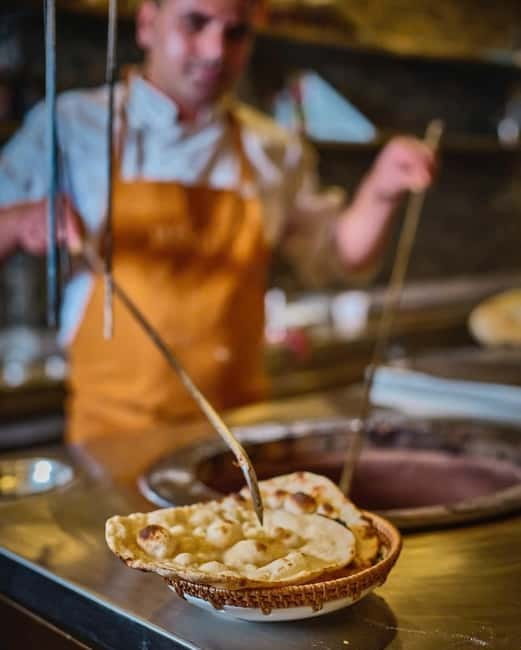
Naan is one of those foods people assume they already understand. You know it as fluffy, chewy, and slightly charred at the edges. In the class, you learn why it turns out that way. The basics start with the dough: you’ll knead it, season it with authentic spices, and shape it so it bakes with the right softness and blistering.
You’ll also learn that naan isn’t one single bread. It’s a family of styles that change depending on region and cook preferences. The course covers plain naan, then moves into variations like garlic and butter, plus stuffed options such as paneer or keema. That variety is useful if you want to cook beyond one recipe. You’ll come away with a mental map for how naan should behave, then you can remix with confidence.
What I find especially helpful is that they don’t treat the bread as an isolated skill. Naan is meant to show up with curry. So as you learn technique, you’ll also get the idea of how naan works as the vehicle for sauces—how you tear, scoop, and pair.
The Hands-On Part: Knead, Season, Shape, and Slap
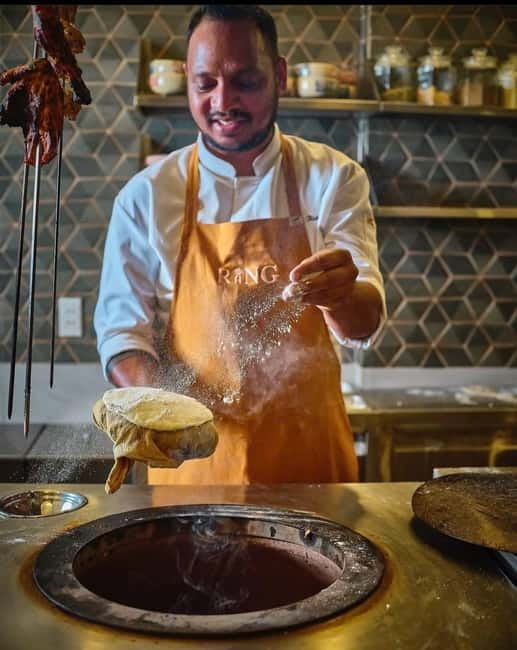
The most fun moment is the bread-on-heat moment. You’ll knead dough, season it with spices, and experience the thrill of placing naan onto a tandoor. The class is built around that physical action because it affects results. When you slap the naan onto the hot surface, you get those characteristic bubbles and quick browning that keep naan from tasting like ordinary flatbread.
If you’ve never worked with dough, don’t worry. No prior experience is required. Still, dough takes feedback. In a small group, your instructor can help you adjust texture—whether it needs a bit more work, a softer feel, or better shaping before it goes into heat.
And you’ll learn beyond the one technique. You get context on why naan is beloved in different parts of India. The course includes stories of naan’s regional significance, from Punjab’s hearty meals to Delhi’s royal feasts. That background helps you remember what matters: dough texture, spice choices, and the baking method that creates flavor fast.
Tandoor Skills (and the Oven Alternative That Actually Works at Home)
Not everyone has a tandoor at home. The class understands that. You’ll learn how to approach tandoori results even if you’re baking with a home alternative oven.
The practical goal is simple: you want naan that’s soft, flavorful, and properly blistered—not dry, not dense, not bland. You’ll get tips focused on dough prep, tandoor technique concepts, and creative toppings. Even if the equipment differs, the principles travel well: heat level, timing, surface contact, and how you finish the bread.
That’s where this class really earns its keep. Lots of cooking classes teach a recipe. This one helps you understand the mechanics so you can repeat results without guessing every step. If you’ve ever tried to make naan at home and ended up with something more like chewy doughy toast, you’ll appreciate learning the specific adjustments.
One extra plus: the tasting is freshly baked. When you taste naan just out of the heat, you immediately understand what the technique is creating. Then, when you go home, it’s easier to judge what to replicate.
Naan Styles, Stuffings, and Dips That Turn Bread Into a Meal
The class doesn’t stop at “plain and done.” You’ll practice different naan styles, including garlic and butter, plus stuffed variations like paneer or keema. Stuffed naan is where you can really impress people, because the bread becomes more than a scoop. It becomes the main event.
Then you finish with eating your naan with signature dips. This matters because naan isn’t only about the bread’s texture. It’s also about how flavors bounce off each other—spiced bread plus dip, plus the taste contrast of warm bread against creamy or tangy sides.
If you want a fuller meal experience, there’s a natural fit with ordering curry in the restaurant. One of the nice benefits of doing this at a working Indian restaurant is that you can pair your homemade naan with a curry course and dip right away. It’s a great way to turn your hands-on work into an actual lunch, not just a sample.
For practical use later, notice which dip style makes your bread taste best. Then when you cook at home, you can match the sauce/dip to the type of naan you’re making—garlic and butter types pair nicely with savory curries, while stuffed options can handle heavier flavors.






The People Factor: Friendly Chefs, Clear Guidance, Real Hospitality
Cooking classes can range from strict to chaotic. This one lands on the friendly side. The staff approach is welcoming, and the kitchen setup is clean and professional. That combination makes it easier to focus when you’re handling dough, not worrying about whether the space is messy or unclear.
You’ll also likely work with the chef team directly. In particular, Chef Manku comes up as an standout name, along with server Amit for smooth support. Having staff who can explain in clear terms—and keep the mood upbeat—helps especially if you’re new to naan or cooking with Indian spices.
In a small group of up to 8 participants, the instructor can watch your shaping and baking process, then offer adjustments. That’s how you go from just following steps to actually learning what makes your naan better.
1 Day in Da Nang: How Long It Takes and How to Plan Your Timing
This experience is listed as 1 day, so it’s designed as a compact activity rather than a long tour-spanning project. You’ll spend time making dough, seasoning, shaping, baking with a tandoor-style setup or oven alternative, and then finishing with tasting and dips.
Because the class is hands-on and technical, you’ll enjoy it more if you don’t schedule it between back-to-back appointments. Build in some buffer so you can arrive ready to work. Cooking dough is physical, and you’ll want time to enjoy the meal at the end.
If you’re staying in central Da Nang, the meeting point at RANG Danang is a simple anchor. It also pairs well with a food-focused day. Think of it like culinary sightseeing, but with your hands.
Price and Value: Why $2.60 Feels Like a Big Win
$2.60 per person is what makes this class feel almost unfair in a good way. You’re not paying for a generic lecture—you’re paying for ingredients, professional guidance, use of equipment, and a freshly baked tasting.
When you compare that to the cost of failing at home (spices wasted, bread that doesn’t turn out right, and time lost repeating experiments), the class becomes an efficiency move. You’re getting coaching on dough texture, seasoning, shaping, and baking approach. The fact that they also share tips for making naan without a tandoor turns your payment into a practical skill you can reuse later.
Quality also matters. RANG’s MICHELIN Bib Gourmand recognition suggests the restaurant standards are solid. You’re learning in a place that takes Indian food seriously, not just as a theme.
Who Should Book This Naan Bread-Making Class
You’ll likely love this class if:
- you want a beginner-friendly cooking experience where you actively make the food
- you’re a fan of Indian food and want the bread behind the curry experience
- you like learning technique, not just collecting recipes
- you want practical tips to recreate results at home, especially without a tandoor
It may not be the right fit if:
- you’re traveling with kids under 7, since the class isn’t suitable for them
- you want an alcohol-focused social outing (alcohol and drugs are not allowed)
If you’re solo, it’s still a great choice because the group is small and the instructor can help. If you’re traveling with a partner or friends, you’ll have plenty to talk about while you bake and taste.
Should You Book? My Practical Decision Guide
If you want an easy win in Da Nang—something fun, hands-on, and genuinely useful—this is a strong book. The combination of small group teaching, real kitchen experience, and the end result you can eat right there makes it better than many “copy the recipe” classes.
The big reason to choose it: you’ll walk away with technique plus at-home strategies, not just a memory. That’s what turns one day in central Vietnam into ongoing kitchen confidence.
If naan is on your list anyway, book it. Even if you’ve made flatbreads before, you’ll likely pick up specific adjustments that make your next attempt taste closer to what you love at Indian restaurants.
FAQ
Where is the Tandoori Naan Bread-Making Class held?
The class meets at RANG Danang, an internationally Indian restaurant in Da Nang, Vietnam.
How much does the class cost?
The price is listed as $2.60 per person.
How long is the experience?
It’s listed as a 1-day experience.
Do I need any cooking experience?
No prior experience is needed. The class is designed to be beginner-friendly.
How big is the class?
It’s a small group limited to 8 participants.
What languages are used during the class?
The instructor uses English, Vietnamese, and Hindi.
Is this class suitable for children?
It is not suitable for children under 7 years old.
Are alcohol or drugs allowed?
No. Alcohol and drugs are not allowed.
Can I cancel or change my plans?
You can cancel up to 24 hours in advance for a full refund, and you can reserve now and pay later to keep plans flexible.
What’s included in the class?
Included are the Tandoori Naan bread-making class, hands-on experience, expert chef guidance, freshly baked naan tasting, and signature dips.