REVIEW · DA NANG
Da Nang : Private Day Trip to Imperial City – Hue
Book on GetYourGuide →Operated by LAGOM TRAVEL · Bookable on GetYourGuide
Hue, minus the bus shuffle. This private day trip from Da Nang to Hue layers big scenery with standout monuments tied to the Nguyen Dynasty.
I especially like the built-in high-impact order: you start with the Hai Van Pass panorama, then move through major Hue sites without wasting time. One thing to think about: the price covers the ride, but entrance tickets, a tour guide, and food are not included, so you’ll need to budget a bit extra on the day.
In This Review
- Key highlights at a glance
- Hue in one long day: why it works
- Hai Van Pass: the scenic start that sets the tone
- Lang Co and Lap An Lagoon: quick breaks that feel like a reset
- Khai Dinh Mausoleum: UNESCO, architecture, and the last Nguyen era
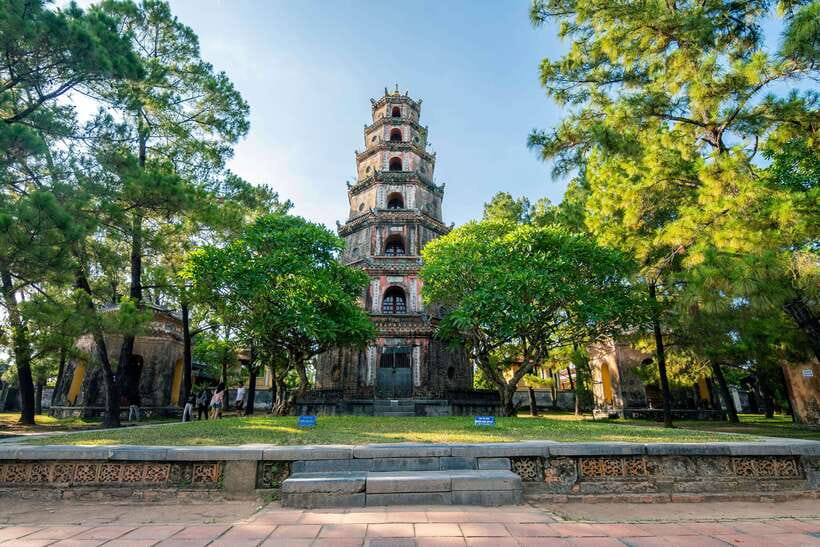
- Thien Mu Pagoda: Buddhism in Hue’s oldest landmark
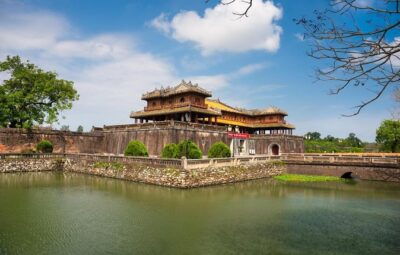
- Imperial City: where the Nguyen kings lived and ran the state
- Private day trip logistics: what’s covered and what you’ll plan
- Price and value: is $52 per person fair here?
- Who this Hue day trip suits best
- Should you book this Da Nang to Hue private day trip?
- FAQ
- How long is the private day trip from Da Nang to Hue?
- What’s included in the $52 per person price?
- What’s not included?
- Where do you pick up and drop you off?
- Is this tour suitable for wheelchair users?
- Is there a cancellation option?
Key highlights at a glance
- Hai Van Pass viewpoint with an ancient fortified gateway plus American and French bunkers for great sightlines
- Lang Co stop at a fishing township beach named among the 30 most beautiful bays in the world (2009)
- Lap An Lagoon for clear water and everyday local life away from the main tourist lanes
- Khai Dinh Mausoleum: UNESCO-listed, famous for standout architecture and its place as the last Nguyen construction
- Thien Mu Pagoda: Hue’s oldest pagoda, about 400 years old, with a unique look tied to Buddhism
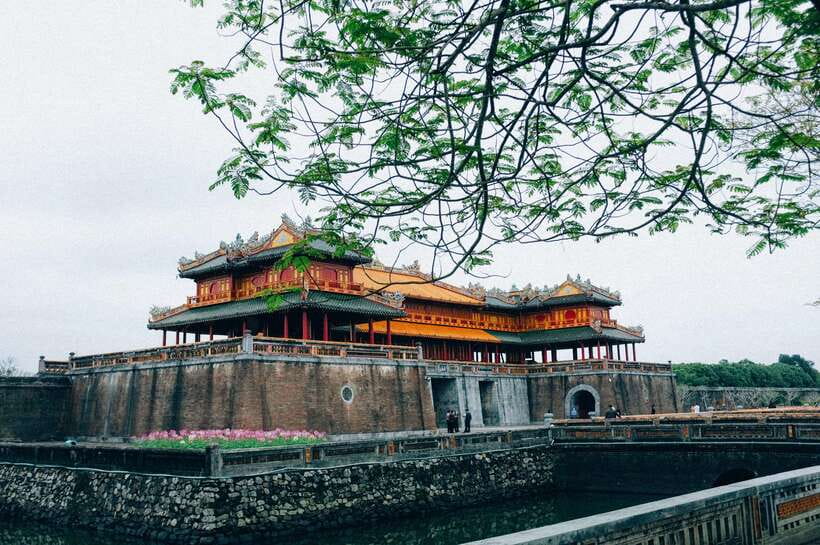
- Imperial City: the headquarters where the Nguyen kings lived and worked for 143 years (1802 to 1945)
Hue in one long day: why it works
Hue can feel like a full vacation town, but this private day trip is built to fit into a single 9-hour push. You’re not trying to “do everything.” Instead, you’re hitting the places that anchor Hue’s story: the coast views, the mausoleum artistry, the pagoda traditions, and the seat of power in the Imperial City.
The private car is the real value here. You avoid timetable stress and you get door-to-door convenience from your Da Nang hotel. That matters when your time window is limited and the day is packed.
One more practical note: since this is a private ride with an English-speaking driver (but not an included tour guide), you’ll want to go with a mindset of self-guided exploration at each site. Signs and site context can carry you, but if you crave deep narration, you’ll need to plan for that separately.
You can also read our reviews of more city tours in Da Nang


Hai Van Pass: the scenic start that sets the tone
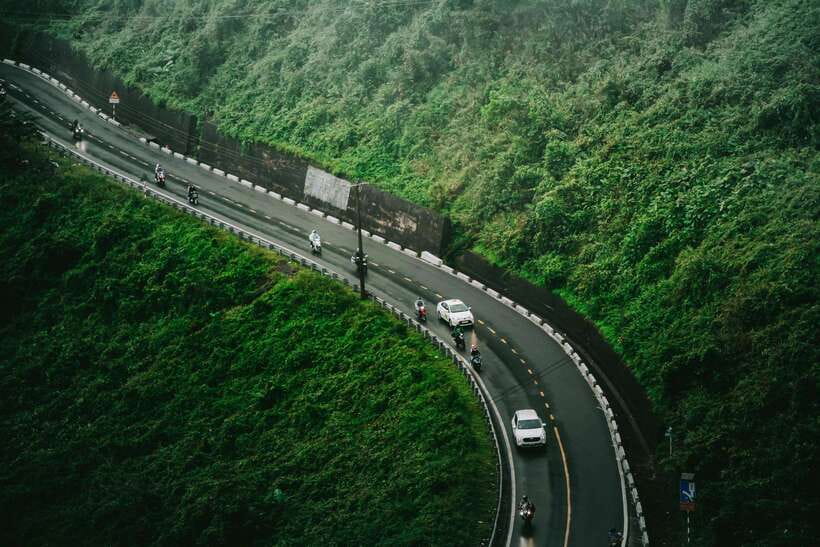
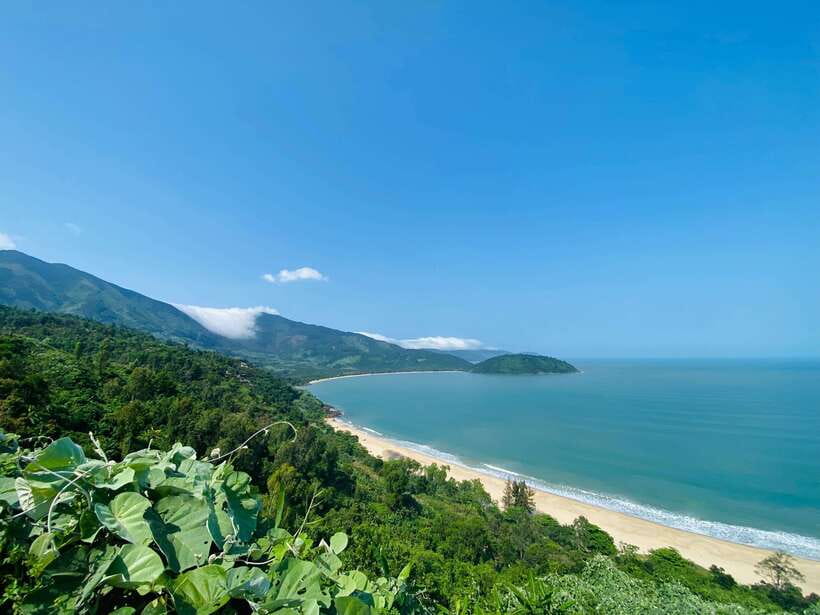
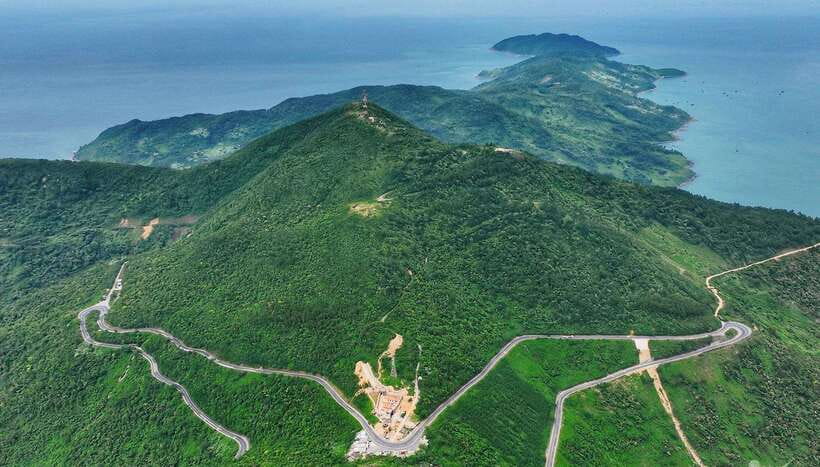
Your day kicks off with a climb—well, a good kind of climb—to the top of Hai Van Pass. This is one of Vietnam’s best-known hillside roads for a reason: the payoff is views you don’t get from sitting still on the coast.
At the top, you’ll see vestiges of an ancient fortified gateway. It’s one of those moments where the scenery has layers—modern roads, older defenses, and coastal geography all in the same frame.
What I like is that the stop also includes American and French bunkers that give views without a steep extra hike. That’s a smart design for a day trip. You get “this is why the pass is famous” without burning energy before the heritage stops.
Lang Co and Lap An Lagoon: quick breaks that feel like a reset
After the pass, the itinerary shifts gears with two softer stops: Lang Co and Lap An Lagoon. These aren’t meant to be the big ticket items. They’re more like breathing rooms between the major historical sights.
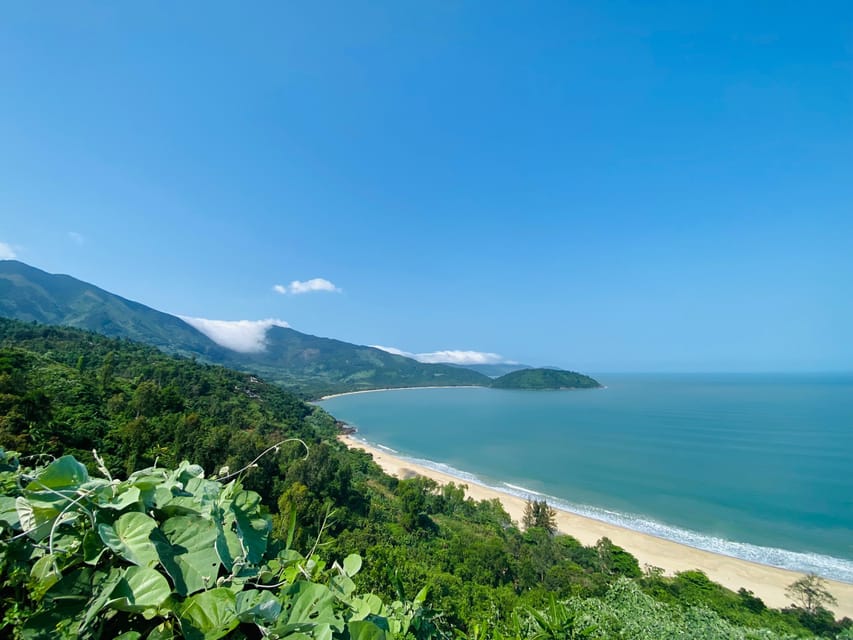
In Lang Co, you’ll visit the serene fishing township area and take in the beach—especially notable because its bay was recognized in 2009 as one of the 30 most beautiful bays in the world. Even if you don’t linger for long, this is an easy win for getting coastal context for Hue’s region.
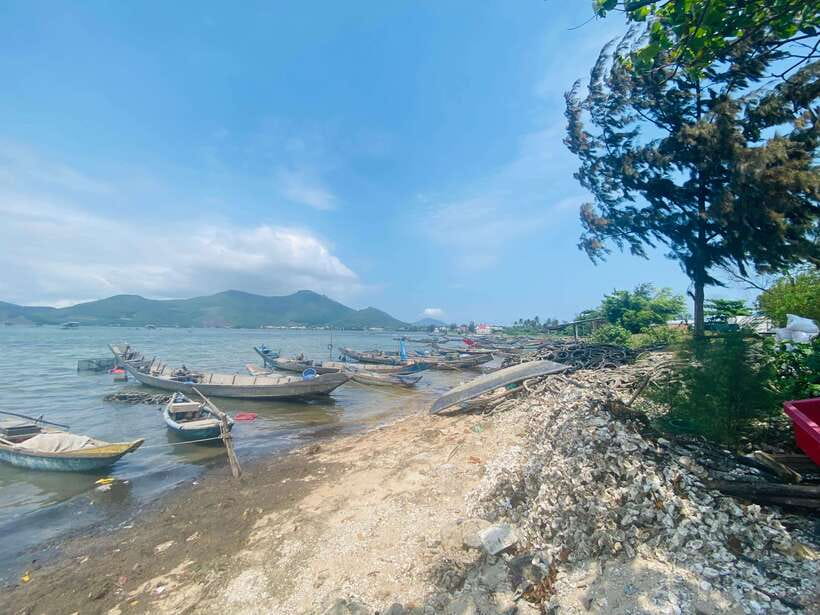
Then comes Lap An Lagoon, surrounded by lush greenery and known for clear, clean-looking water. The standout here is the daily-life angle: you’ll see locals living their routines in a way that feels tied to the water and nature around them. It’s a nice reminder that Hue’s heritage isn’t only about monuments—it’s also about the living landscape that supports people today.
Practical tip: these are likely shorter stops than the major sites. So if you want photos, do them early and keep moving. The day is structured so you don’t miss the core heritage points.
Khai Dinh Mausoleum: UNESCO, architecture, and the last Nguyen era
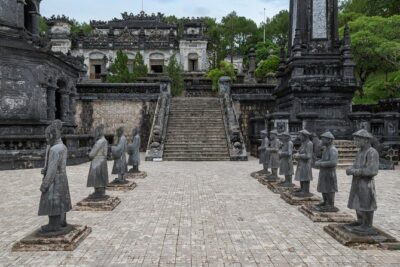
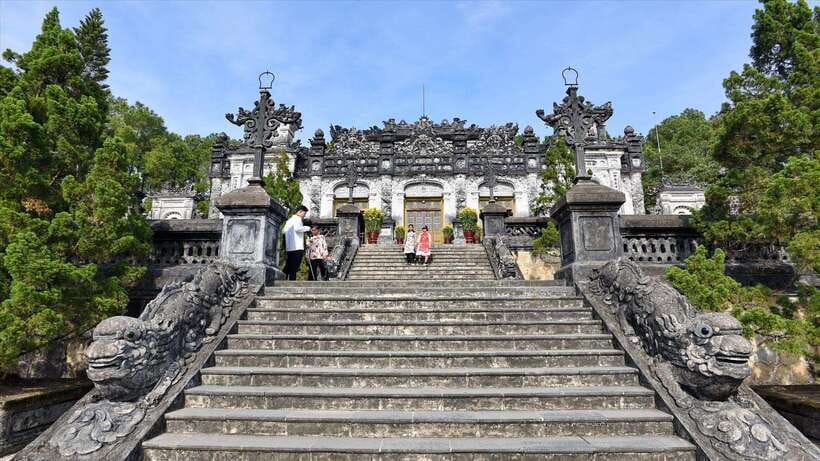
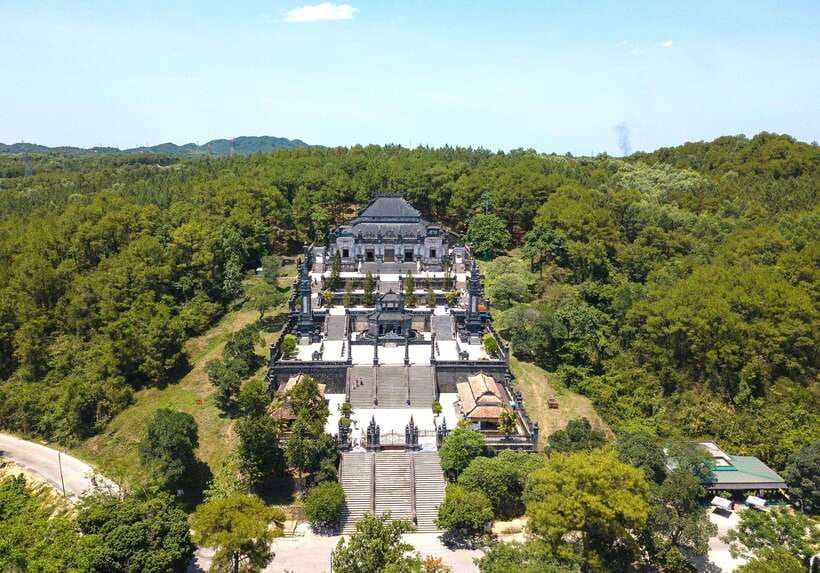
Khai Dinh Tomb is the first true heritage heavyweight in the day, and it’s worth treating as a centerpiece. This is a UNESCO World Heritage Site, and it’s known as the last construction of the Nguyen Dynasty, spanning 1802 to 1945. That time marker matters because it helps you understand the tomb as a closing chapter—an artistic statement from the end of an era.
The emphasis here is architecture. Khai Dinh’s style is striking, and you’ll see it as an intentional blend of influences and a highly designed approach to how power and belief get expressed in stone.
The site is also described as one of the seven most beautiful mausoleums in Hue. Even without turning it into a checklist, that label gives you a clue: you’re expected to slow down, look closely, and notice details rather than just walking through.
What to consider: mausoleum sites can involve steps and uneven ground depending on where you wander. Wear solid shoes and give yourself time to look up as well as straight ahead—this kind of architecture rewards that habit.
Thien Mu Pagoda: Buddhism in Hue’s oldest landmark
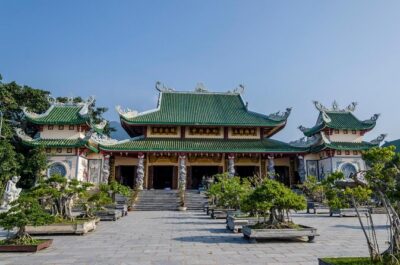
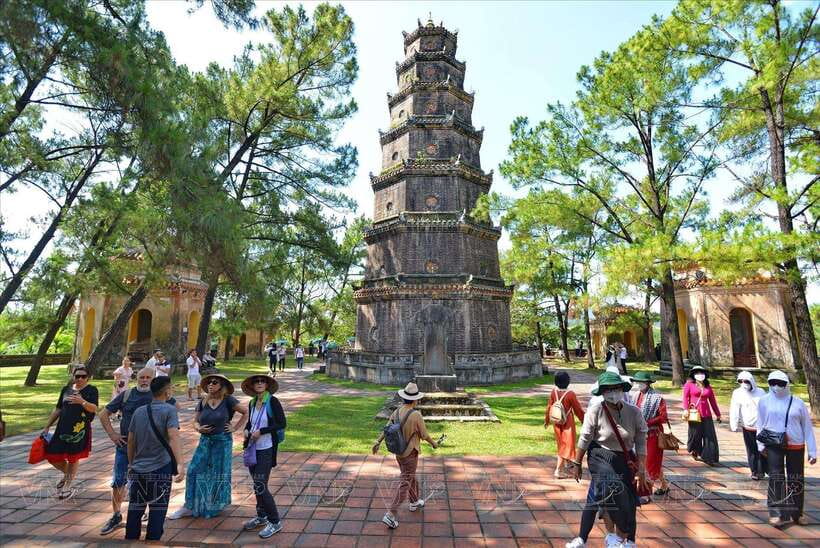
After Khai Dinh, you’ll head to Thien Mu Pagoda, described as Hue’s oldest pagoda and about 400 years old. This stop shifts the tone from royal burial space to spiritual tradition, which is a good change of pace in a packed day.
You’ll learn about Buddhism here and see the unique architecture that makes Thien Mu one of the most beautiful pagodas in Hue. The “oldest in Hue” detail is important because it signals continuity—this isn’t a brand-new attraction. It’s part of a longer religious thread in the region.
What I like about placing Thien Mu after Khai Dinh: the day’s story becomes clearer. You start with authority and dynasty identity, then you move to faith and public spirituality. By the time you reach the Imperial City, you’re primed to understand Hue as both a political center and a cultural-religious hub.
Practical note: pagodas are places of ongoing respect. You’ll enjoy the stop more if you dress in a way that’s comfortable but mindful, and you take a calmer pace when you’re inside compound areas.
You can also read our reviews of more private tours in Da Nang



Imperial City: where the Nguyen kings lived and ran the state
The final big monument is the Imperial City, the headquarters of Vietnam’s last feudal dynasty. This is where the Nguyen kings lived and worked for 143 years, from 1802 to 1945.
That “lived and worked” phrasing is key. The Imperial City isn’t just a pretty set of walls. It’s the center of daily governance—where rituals, ceremonies, administration, and royal life overlapped in one planned space.
This is also where the day’s itinerary makes the most sense as a whole. Khai Dinh gives you the last dynasty’s artistic legacy through a tomb. Thien Mu connects you to Hue’s religious roots. Then the Imperial City ties it all back to the dynasty itself, giving you the physical setting for how the Nguyễn court functioned.
Because this is a major stop, expect time to explore at your own pace. If you’re the kind of person who likes to read context panels (even briefly), you’ll get more out of it than if you rush for photos only. Your time is limited, but your payoff is high.
Private day trip logistics: what’s covered and what you’ll plan
This experience is built around one simple idea: you’re picked up and dropped off without fuss, in a private setting. Your English-speaking driver collects you at your hotel in Da Nang city and drives the full route, then brings you back to your hotel when the day finishes.
What’s included:
- Hotel pickup and drop-off
- English-speaking driver
- Private car
- Bottle of water
- Toll and parking fees
What you’ll add yourself:
- Entrance tickets
- Tip
- Tour guide (not included)
- Food
This matters because it affects how you budget. The listed price is for the transport and driving service, not the entry costs into each heritage site. If you’re trying to keep spending predictable, you’ll want to set aside extra money on top of the $52 per person so you’re not stuck mid-day.
Also, there’s a clear vehicle rule: smoking is not allowed in the car. And the tour isn’t suitable for wheelchair users, so if mobility is a factor, you should look for a different option.
Price and value: is $52 per person fair here?
At $52 per person for a full 9-hour private outing, the value comes from how much is bundled: private car, hotel transfers, an English-speaking driver, plus tolls/parking and water. In Vietnam, those “hidden costs” add up fast if you try to piece it together yourself by hiring separate transport.
The big “cost you still manage” is the entrance tickets. Since those aren’t included, the total day cost depends on what you pay to enter each site. But even with tickets on top, you’re still getting a coherent route with minimal friction.
To me, the best value angle is this: the day is structured so you’re moving between major stops without negotiating transit, finding drop-off points, or dealing with multiple bookings. If you’re traveling with someone who hates uncertainty, this private model saves energy—and energy is a real currency.
Who this Hue day trip suits best
This tour fits best if you want heritage highlights with a tight schedule and you prefer not to wrestle with public transport. It’s also a good match for couples and small parties who can enjoy the day without needing a formal guide at every stop.
It’s less ideal if you:
- Need wheelchair-friendly access (the tour is not suitable for wheelchair users)
- Want an included tour guide with commentary everywhere (you’ll likely rely on site signage and self-reading)
If you like to connect dots—how the Nguyễn dynasty era shows up in tombs, pagodas, and the Imperial City layout—this itinerary has a natural flow.
Should you book this Da Nang to Hue private day trip?
I’d book it if you want a clean, efficient day that hits Hue’s headline heritage: Khai Dinh, Thien Mu, and the Imperial City, plus the high-view scenic start at Hai Van Pass. The private setup is what makes it feel smooth, and the coast stops add a human, place-based rhythm instead of only monument hopping.
Hold off or look for another format if you’re expecting the price to cover entrance fees and guided interpretation. In this setup, you’ll do the thinking yourself—unless you arrange extra guiding on-site.
If your goal is a smart, memorable one-day Hue experience from Da Nang with minimal hassle, this one makes a strong case.
FAQ
How long is the private day trip from Da Nang to Hue?
The duration is 9 hours.
What’s included in the $52 per person price?
Included are hotel pickup and drop-off in Da Nang, an English-speaking driver, a private car, bottle of water, and toll & parking fees.
What’s not included?
Entrance tickets, tip, tour guide, and food are not included.
Where do you pick up and drop you off?
The driver picks you up at your hotel in Da Nang city and drops you back at your hotel after the trip.
Is this tour suitable for wheelchair users?
No, it is not suitable for wheelchair users.
Is there a cancellation option?
Yes. Free cancellation is available up to 24 hours in advance for a full refund.