REVIEW · DA NANG
Da Nang History Tour Walking By Cham Pa Museum-Cuisine-Cafe
Book on GetYourGuide →Operated by Funtastic Basket Boat Tours and Cooking Class · Bookable on GetYourGuide
History you can taste and walk off. This 1-day Da Nang stroll pairs Cham Museum sculpture stories with a proper stop for coconut/salt coffee, so you leave with context and cravings satisfied.
I also like that you get a true historian-style guide (names like Mun and Hong have led tours) and not just a walk-and-point explanation. One minute you’re reading stone Hindu figures; the next you’re learning how Buddhism, war, and colonial-era city life show up in everyday places.
One possible downside: the schedule is packed, so you might want more time inside the Cham Museum if you’re the type who could happily stay there for hours.
In This Review
- Key points worth your attention
- Cham Museum: the Champa Kingdom told through 7th–14th century stone
- Why this tour sets you up for My Son without rushing
- An Long Pagoda: Mahayana Buddhism and beliefs you can feel in daily life
- Collectivism-era market views and the real Da Nang in side streets
- Dragon Bridge and the Han River: 666m of landmark power, plus wartime context
- Pho in the quiet Hanoi Quarter spot, plus herbal tea
- Da Nang Cathedral, the Chicken Church nickname, and a colonial-era city in motion
- Coconut coffee or salted coffee: the ending that makes the day stick
- Price and value: what $28 covers, and what’s extra
- Who this Da Nang history-and-food walk suits best
- Should you book this Cham Museum and city cuisine tour?
- FAQ
- Where does the tour start?
- How long is the tour?
- What is the price per person?
- Is there a live guide?
- What food is included?
- Is coffee included?
- Does the tour include pick-up or drop-off?
- Is tipping required?
- Can I cancel if my plans change?
Key points worth your attention
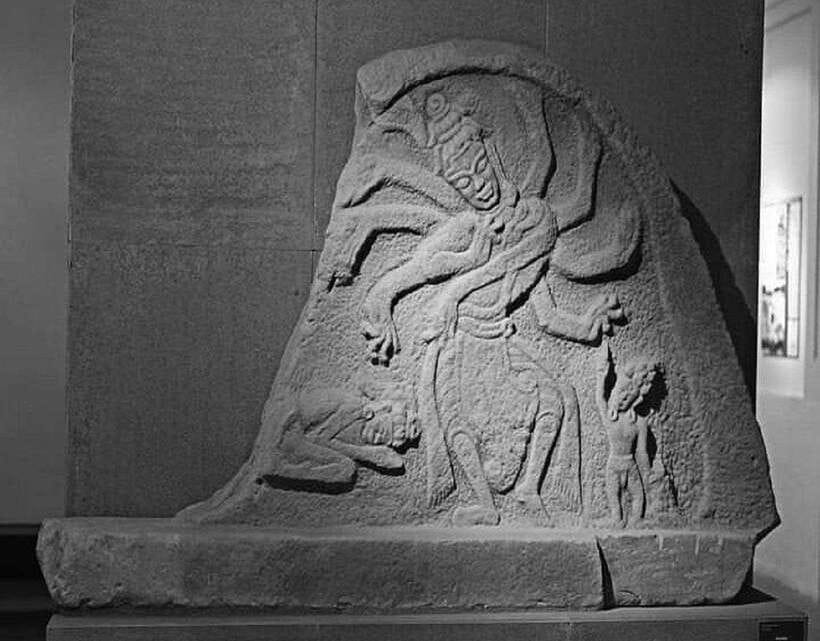
- Cham Museum sculptures explained in a way that makes My Son easier to understand later
- Pho + green Hanoi herbal tea included, with the ideal “don’t eat breakfast” warning
- An Long Pagoda and Mahayana Buddhism stories tied directly to local daily life
- Dragon Bridge (666m) and Han River wartime context, framed for first-timers
- Han Market + the Chicken Church nickname, plus coffee ends the tour on a sweet-salty note
Cham Museum: the Champa Kingdom told through 7th–14th century stone
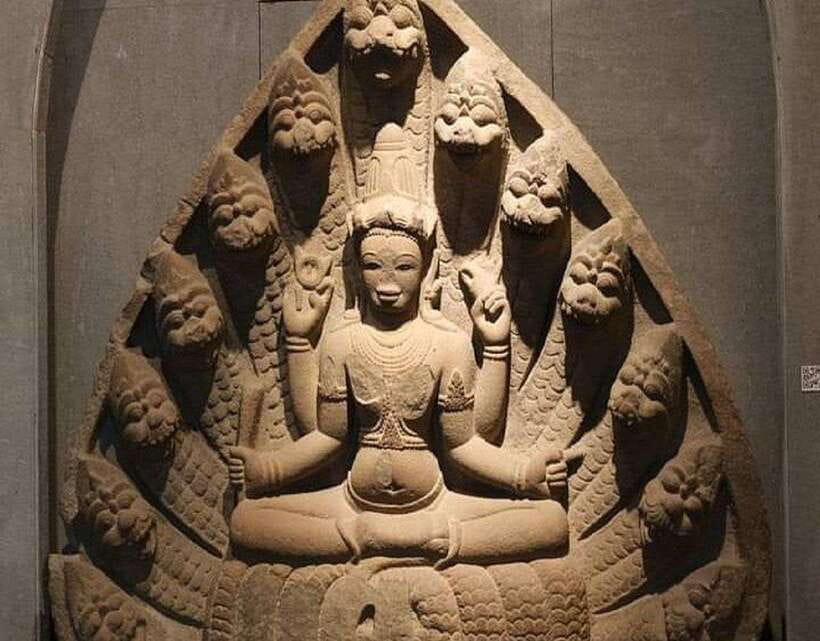
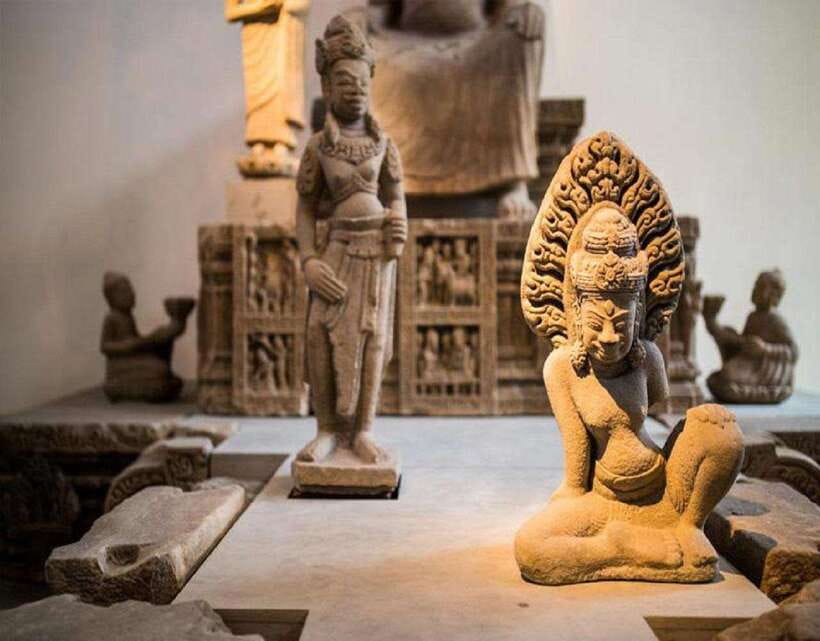
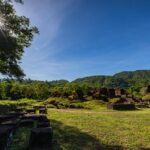
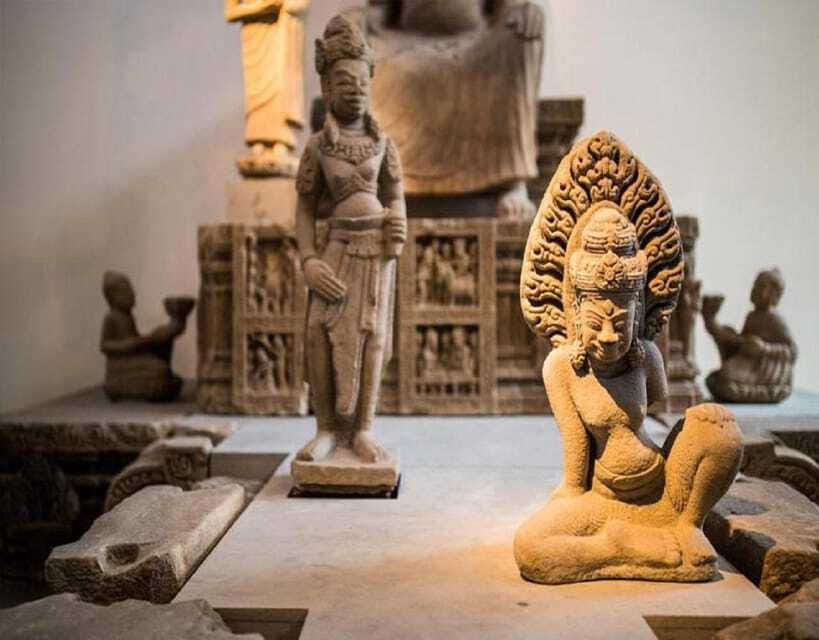
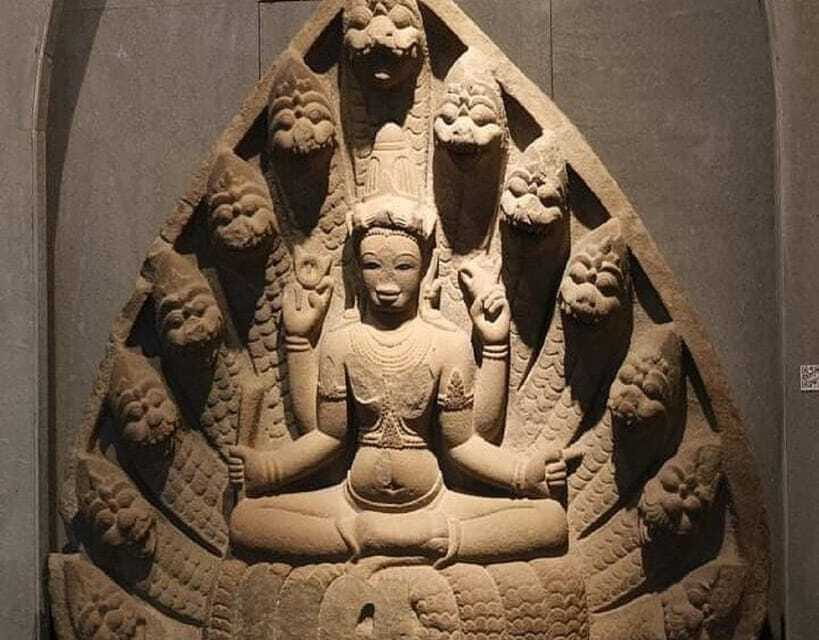
Your day starts at Cham Museum, right in the heart of Da Nang. This is not a quick “look around” museum stop. The focus is on Champa art and what it meant to the people who made it, with special attention on Hindu religious sculpture—often the kind of work that’s hard to interpret on your own.
The museum is famous for its large Hindu sculpture collection, with hundreds of antique stone statues dating from the 7th to 14th centuries. The key difference on this tour is that you’re not just seeing figures—you’re getting the stories behind them, so the carved faces and poses stop being random and start feeling meaningful. You learn how the Champa Kingdom worked, what religion looked like in objects, and why these pieces connect to the later heritage you’ll hear about from nearby sites.
If you have any interest in visiting My Son, this stop is especially useful. It gives you the “how to read” lens first, so when you go to the My Son area later, you’ll notice patterns instead of feeling like you’re staring at ruins with no guide.
Practical tip: wear comfortable shoes and expect slow walking inside galleries. Museums like this reward patience, and the tour format is designed to keep you moving without turning the stories into a blur.
You can also read our reviews of more walking tours in Da Nang
Why this tour sets you up for My Son without rushing
Even though the day is built around a walking route in Da Nang, the Champa context is the thread that ties everything together. You’ll hear the broader Champa story and how its religion left physical marks you can still see today.
My Son is the big famous reference point in Champa culture, and the tour connects that in a grounded way. The information you get places My Son as part of a wider religious and historical world—not just a single photo-stop. You also get geographic context: My Son is about 60 km from Hoi An, so it’s the kind of place many visitors pair together.
What I like about setting this up inside Cham Museum is that it changes your whole mindset. Instead of asking what something is, you start asking why it was made that way. That one shift makes the later visit feel more personal and less like checklist tourism.
An Long Pagoda: Mahayana Buddhism and beliefs you can feel in daily life

After the museum, the tour moves toward a quieter, more local side of Da Nang. A highlight here is An Long Pagoda, where the emphasis is on Mahayana Buddhism and the way local belief systems show up in everyday living.
This isn’t taught like a textbook lecture. You get the human angle: how ideas and practices influence routines, values, and even how people understand community life. The tour format helps because you’re not bouncing between far-flung stops—you’re transitioning from art and state-level history into spiritual practices that shape local culture.
At a temple, your job is simple: be respectful, keep your voice down, and follow any guidance from the host. You’ll get the cultural context so you can look at what’s there with better understanding, instead of treating it like a background photo.
If you’re the type who likes “why people do what they do,” this pagoda stop is a strong payoff. It’s also a good contrast to the museum—stone sculptures versus living belief.
Collectivism-era market views and the real Da Nang in side streets
One of the more interesting parts of this day is the way it shows Vietnam through regular streets and regular commerce. First comes a local market built in the 1980s under collectivism, described as feeling strongly similar to the style you might associate with North Korea. That framing matters because it explains why some public spaces and market structures look the way they do.
Then you walk into hidden alleys where you see the local pace of life. These aren’t staged “old town” lanes. You’re watching the city function: where people go, how they trade, and what daily life looks like when the focus isn’t on tourists.
This section is valuable if you want to understand Da Nang beyond the postcards. It’s also useful if you’re nervous about “missing the real city.” This kind of route handles that by building in time for ordinary neighborhoods, not only landmarks.
Practical note: markets and alleys can mean uneven sidewalks and lots of foot traffic. Just keep your head up and move at the pace your guide sets.
Dragon Bridge and the Han River: 666m of landmark power, plus wartime context
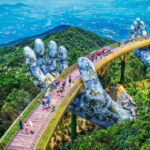
Then you get to the big visual moment: Dragon Bridge, measuring 666 meters long. It’s the kind of structure that makes you pause even if you’re not the biggest bridge fan. But the point of including it here isn’t just the photo.
From there, you walk along the Han River and get wartime context about Da Nang during the Vietnam War era. The tour explains that American-built infrastructure played a role and that Da Nang was a strongest military base before 1975. Even if you don’t study the war in depth, hearing this context while you’re physically near the river changes what you notice.
This stop works best when you allow yourself to look slowly. Bridges and riverfronts are often treated as scenery, but history sits in the infrastructure and the memory of places. The host ties those threads together in a way that feels grounded rather than dramatic.
Also, the route timing helps. You get the landmark views while the day still has energy, without feeling like you’re rushing toward the next meal.
You can also read our reviews of more historical tours in Da Nang
Pho in the quiet Hanoi Quarter spot, plus herbal tea
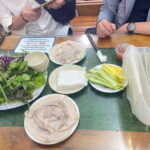
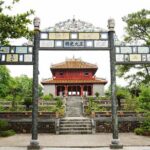
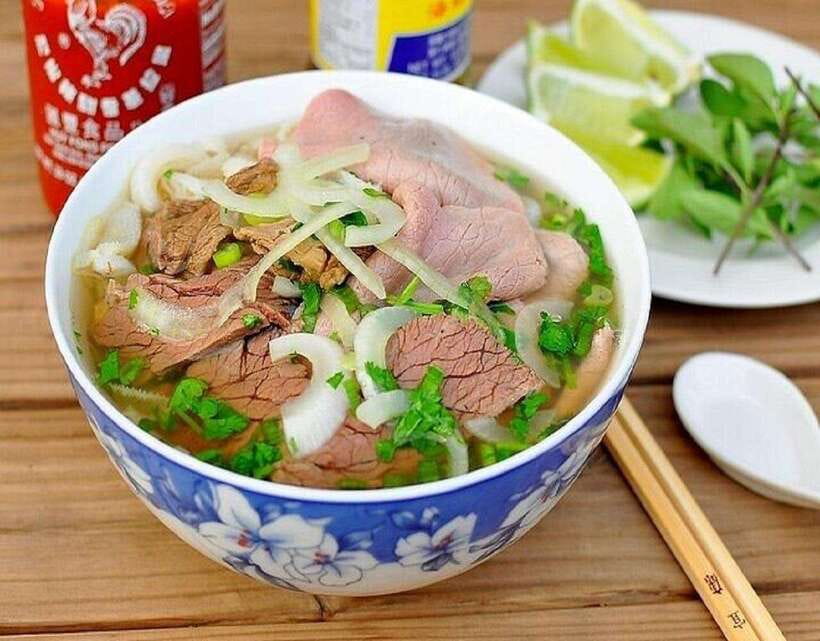
Food is part of the tour’s value, not an afterthought. You’ll stop at a quiet street for a top bowl of pho described as the old Hanoi Quarter inside Da Nang. The tour is set up so you’re not just grabbing noodles; you’re learning what to pay attention to and why this kind of comfort food has a place in local routines.
Your included choice is Chicken Pho or Beef Pho, depending on your option. You also get green Hanoi herbal tea at the pho stall. That tea matters because it’s not just liquid—it’s part of how locals pace a meal and feel good after.
One practical piece of advice from the experience style: skip breakfast. The tour feeds you later with pho and finishes with coffee, and eating a full breakfast first can take the joy out of both.
Food stops like this are a big reason this tour feels “real.” You don’t get history separated from daily life—you get them in the same day.
Da Nang Cathedral, the Chicken Church nickname, and a colonial-era city in motion
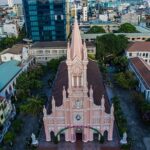
Next up is Da Nang Cathedral Church, known by locals as the Chicken Church. That nickname alone makes people curious, and the guide’s role is to connect the story to the city’s identity. It’s one of those landmarks where local names tell you how residents actually relate to a building, not how guidebooks label it.
This is also where the tour becomes a lesson in how Da Nang grew. You see the layering: spiritual sites, war-era context, and the later city identity shaped by outside influence.
Then comes Han Market, described as the biggest market in central Vietnam and built by French during colonial periods. Here, the focus isn’t only on shopping. You hear stories about the Chinese community living in Vietnam, and that adds another cultural layer to what you’re seeing in front of you.
If you like markets, you’ll appreciate the pacing. The tour gives you enough time to look around without turning it into a free-for-all. You get context, then you get to observe.
Coconut coffee or salted coffee: the ending that makes the day stick

The final stop is coffee, and it’s chosen for a reason. You’ll taste coconut coffee or salted milk coffee, often described as some of the best coffee in Vietnam. The idea is simple: coffee is an everyday ritual, and these versions—especially the salty-sweet styles—are a Da Nang signature you’ll remember long after the tour ends.
If you’re deciding what to order, go with what matches your mood. Coconut coffee tends to feel smooth and fragrant, while salted coffee has that sweet-salty punch that surprises people in a good way. Either way, it’s the kind of stop that feels like a finish line, not a random final sugar hit.
It also creates a nice flow with the pho and herbal tea earlier. By the time you reach coffee, your day has moved from stone art to sacred sites to city streets, and now you’re closing with something deeply local and drinkable.
Price and value: what $28 covers, and what’s extra
At $28 per person for a 1-day private guided experience, the value is mostly in what’s included and how it fits together.
You get:
- Cham Museum entrance tickets to see the sculptures
- Pho (chicken or beef)
- Green Hanoi herbal tea
- Coconut coffee or salted coffee
- A private guide with historian background
What you should budget separately:
- A tip for the guide (minimum $4 USD per person)
- Pick up/drop off (not included)
- Any personal drinks beyond what’s stated
- Travel insurance (not included)
For many people, the best way to judge value is to count the time saved. A guided day like this gives you explanation at each stop—museum, pagoda, landmarks, and markets—so you aren’t spending your own time trying to decode everything from signage.
If you’re already planning to do Cham Museum, eat pho, and walk the riverfront, this starts to look like a bundled day built around your interests. If you dislike walking or prefer unguided exploration, then the cost is harder to justify.
Who this Da Nang history-and-food walk suits best
This tour is a great match for you if:
- You want an orientation to Da Nang that feels connected, not random
- You plan to visit My Son and want stronger background first
- You like art, religion, and history, but you also want real food stops
- You’d rather have one strong route with a guide than piece together five separate activities
It might not be ideal if:
- You need lots of downtime and don’t like a schedule that stays active
- You’re the type who wants to linger alone in museums without structure (the Cham Museum time can feel limited if you want more)
- You eat a big breakfast and hate changing plans mid-day
Should you book this Cham Museum and city cuisine tour?
Yes, you should book it if you want a first-day Da Nang experience that hits the important notes: Champa culture, a calm temple visit, city landmarks with war context, and food that’s actually part of the story—not just “included because it’s a tour.”
Skip it if you already know you want to move at a slower pace, or if you’re not interested in sculpture history and spiritual context. This is for people who like their sightseeing with explanation.
If you do book, go hungry (skip breakfast), wear comfy shoes, and plan to ask questions. That’s how you get the most out of a day that’s built to help you read Da Nang with both eyes and understanding.
FAQ
Where does the tour start?
You meet in front of Cham Museum.
How long is the tour?
It’s listed as a 1-day experience.
What is the price per person?
The price is $28 per person.
Is there a live guide?
Yes. The tour includes a live English guide with historian background.
What food is included?
The tour includes Chicken Pho or Beef Pho (depending on your option) and green Hanoi herbal tea at the pho food stall.
Is coffee included?
Yes. The tour includes either coconut coffee or salted coffee, depending on your option.
Does the tour include pick-up or drop-off?
No, pick-up and drop-off are not included.
Is tipping required?
Yes. The guide tip is not included, and the minimum is $4 USD per person.
Can I cancel if my plans change?
Free cancellation is available up to 24 hours in advance for a full refund.