REVIEW · DA NANG
Da Nang: Local Street Food Walking Tour
Book on GetYourGuide →Operated by HOI AN FOOD TOUR · Bookable on GetYourGuide
One walk can change how you read a city. This Da Nang street food tour turns the evening into a simple plan: walk at an easy pace, stop at local stalls and small eateries, and sample enough to feel like you ate a real dinner. Guides such as David and Lyn are part of what makes it work, mixing food facts with humor and local culture.
I love the way the tour feeds you a varied mix of Da Nang classics across 6 tasting locations. You’re not just repeating one snack—your menu run hits everything from tamarind and sweet-sour egg sauces to grilled beef wrapped in betel leaf, plus Vietnamese coffee.
One consideration: the portions can feel like small meals. If you’re the type who gets full fast, you’ll want to pace yourself and keep some space for the dessert.
In This Review
- Quick hits before you go
- How this Da Nang street food walk actually feels
- The food plan: 6 stops, 8 dishes, and dessert (with real range)
- 1) Egg-based bites and sweet-sour tamarind energy
- 2) Balut for the brave (and the curious)
- 3) Vermicelli with anchovy fish sauce and crispy roast pork
- 4) Vietnamese street cakes: water fern cake and shrimp rice pancakes
- 5) Dumpling cake and Vietnamese pancakes
- 6) Grilled beef wrapped in betel leaf
- Dessert: finish strong, not sleepy
- Vietnamese coffee stop: quirky café time that feels like a local secret
- Guide energy matters more than you think (David, Lyn, Leo, Allie, Mia, and Leo again)
- What walking contributes (and what to do about it)
- Value check: why $29 can feel like more than a snack run
- Who should book this tour (and who might want a different plan)
- Should you book this Da Nang street food walking tour?
- FAQ
- What is the duration of the Da Nang Local Street Food Walking Tour?
- How much does the tour cost?
- How many food tastings are included?
- Is the tour guided, and what language is it in?
- What’s included in the price?
- What isn’t included?
- Where does the tour meet?
- Does the tour run in the rain?
Quick hits before you go
- Small group (max 12): easier road-crossing, more time with the guide, fewer people per food stop.
- 8 dishes plus 1 dessert: you’ll try both everyday street snacks and more “serious” plates.
- Coffee is part of the experience: expect real Vietnamese style drinks, including egg coffee and peanut coffee at a distinctive café.
- Walking with local routes: you’ll hit places that feel lived-in, not just tourist-friendly counters.
- Rain or shine: bring a light rain layer so the plan stays on track.
How this Da Nang street food walk actually feels

At $29 for 150 minutes, this isn’t a long excursion—it’s a focused evening. The value comes from what’s included: an English-speaking guide, enough tastings for dinner, and water, with the structure of 6 stops that keeps you from guessing where to go next.
What I like most is the “starter kit” effect. By the time you finish, you’re not just full—you know what to look for in lines, menus, and steam. You’ll also understand how locals balance sweet, sour, salty, and fermented notes in the same meal.
Also, you’re not trapped with a bland choice list. The tour menu includes items that many visitors skip on their own, like quail egg in a sweet-sour tamarind-style sauce and balut. If you’re adventurous, this tour gives you a safe on-ramp.
You can also read our reviews of more walking tours in Da Nang

The food plan: 6 stops, 8 dishes, and dessert (with real range)
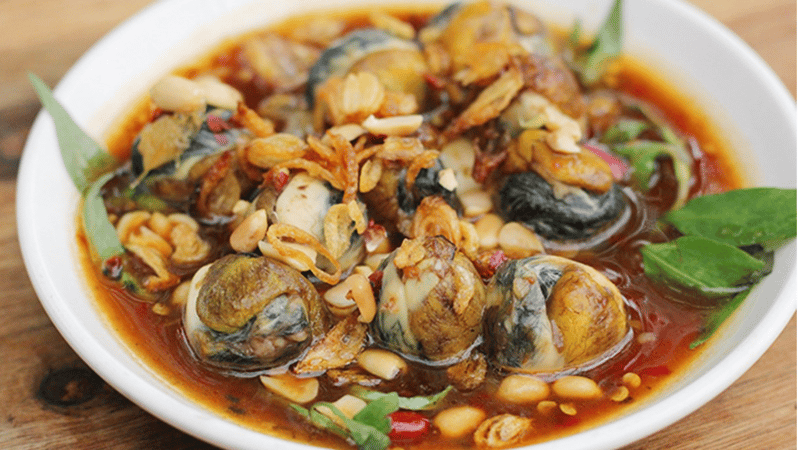
This tour is built around a simple promise: you’ll taste 8 dishes and end with 1 dessert across 6 tasting locations. The exact order can vary, but the menu themes stay consistent, so you can mentally prepare.
Here’s the menu set you can expect, including the most “conversation-starting” items:
1) Egg-based bites and sweet-sour tamarind energy
One of your early highlights is quail egg stir-fried with a sweet and sour tamarind sauce. This matters because tamarind is one of those flavors that teaches you something about Vietnamese balance—bright, sour, and slightly sticky rather than heavy.
If you’re new to tamarind, I suggest taking one bite slowly before you chase it with coffee. The sweetness sneaks in after the sour edge, and it’s part of why this dish feels addictive.
2) Balut for the brave (and the curious)
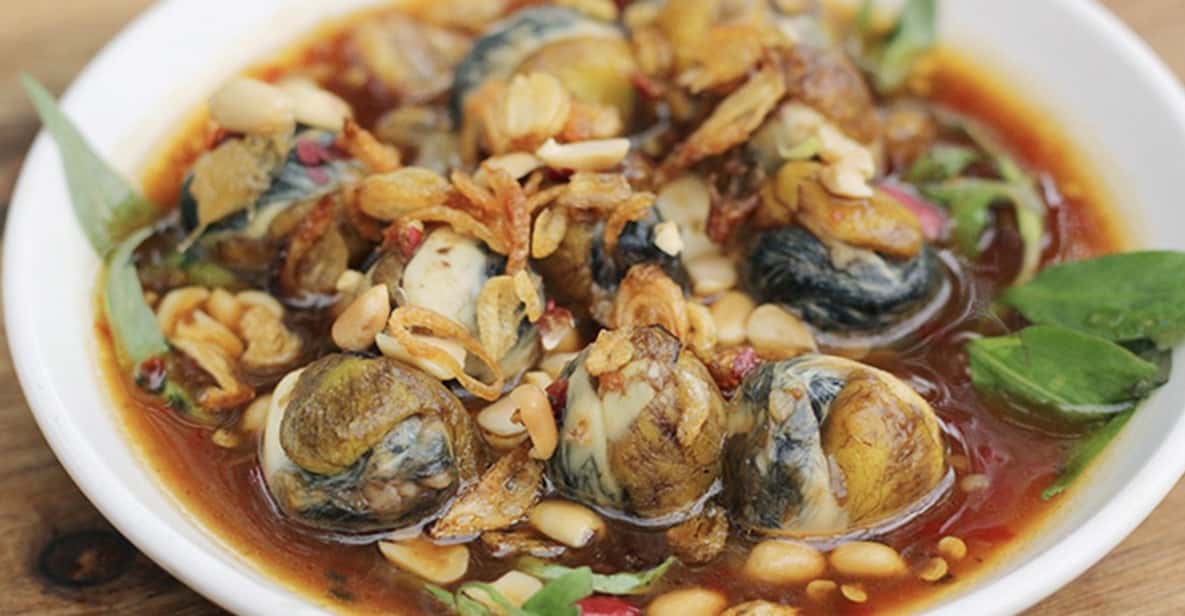
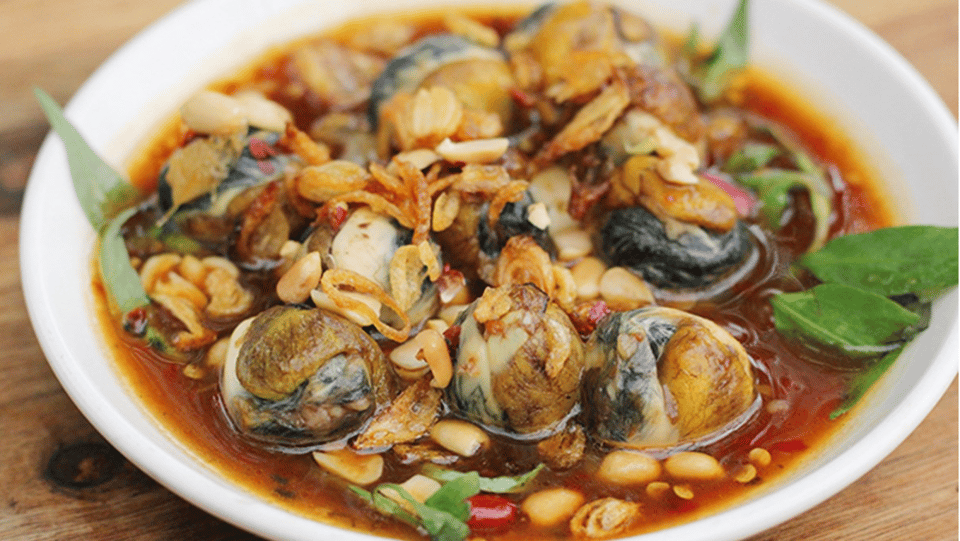
You’ll also try balut. It’s not “mystery meat”—it’s a known, common street food with a strong opinion factor. If you don’t love egg dishes, you’ll still learn how locals treat it: as a snack people eat without drama.
My practical advice: treat balut as a tasting, not a dare. If you finish the bite and feel okay, go for a second if the guide encourages it. If you don’t, politely pass—this kind of tour usually adjusts with the group, and it’s better than forcing it.
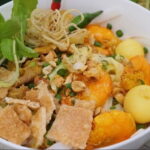
3) Vermicelli with anchovy fish sauce and crispy roast pork
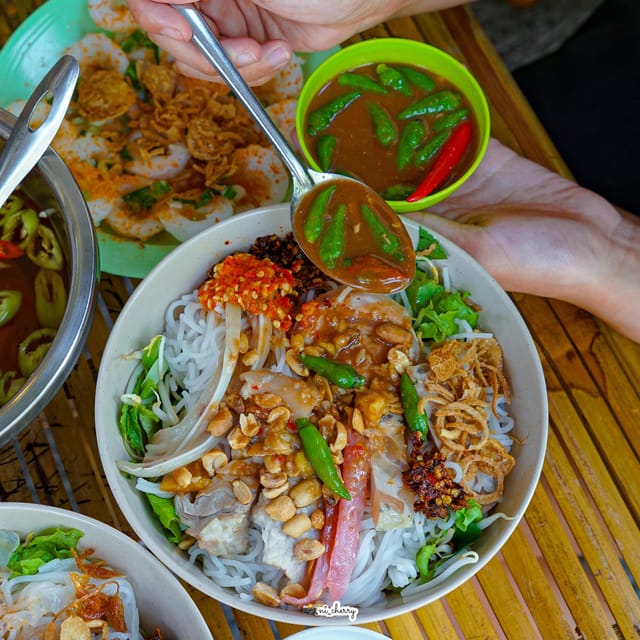
Another stop includes rice vermicelli with anchovy fish sauce and crispy roast pork. This is your “savory comfort” plate. Vermicelli gives the meal lightness, while anchovy fish sauce gives that pungent depth that Vietnamese cooking is famous for.
Crispy roast pork adds texture, which is often missing from noodle meals elsewhere. If you’re sensitive to strong fish sauce flavors, just start with a small mix, then decide how much you want.
You can also read our reviews of more food & drink experiences in Da Nang
4) Vietnamese street cakes: water fern cake and shrimp rice pancakes
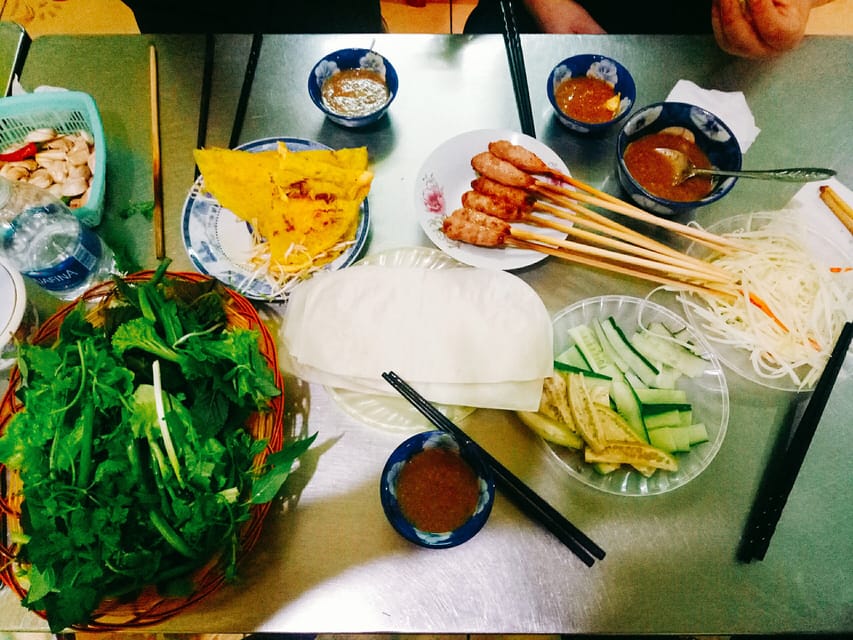
You’ll have a sweet-leaning or snack-leaning option called water fern cake, plus steamed rice pancake with shrimp. These are the kind of foods that look simple but show real skill in preparation.
Water fern cake is a good palate reset between heavier savory plates. The shrimp rice pancake helps you move back toward the sea-note flavors common in central Vietnam.
5) Dumpling cake and Vietnamese pancakes
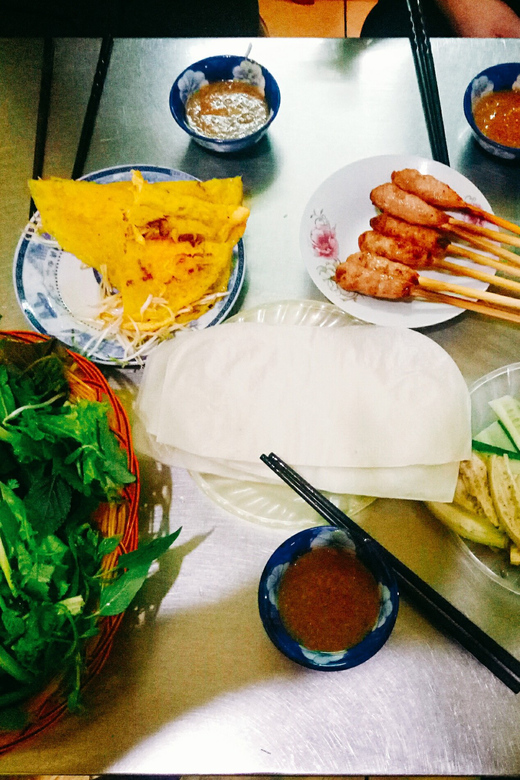
Expect rice dumpling cake and a Vietnamese pancake stop. In at least one dining moment, you’ll likely see pancakes described as a must-try because they’re substantial and satisfying, not just a quick topping.
What makes this part valuable is variety. You’re tasting different textures—steamed cakes, pancake folds, and dumpling shapes—so you’ll recognize what you’re craving later when you wander on your own.
6) Grilled beef wrapped in betel leaf
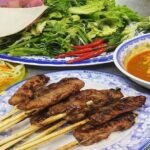
Then comes grilled beef betel leaf. This is one of those flavors that’s hard to copy at home, because betel leaf adds a distinctive aroma and a slightly peppery herbal note.
If you’ve ever ordered beef and felt it was just beef, betel leaf helps you understand why Vietnamese street food uses leaves and herbs as active ingredients, not garnish.
Dessert: finish strong, not sleepy
Finally, you’ll end with dessert after the savory plates and coffee. One review favorite was the tour dessert moment specifically, which is a good sign: you’re not finishing with something random or prepackaged.
If you want to get maximum pleasure, pace your savory eating. You’re likely to feel full faster than you expect on a food tour with multiple sit-down-style tastings.
Vietnamese coffee stop: quirky café time that feels like a local secret
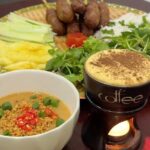
Coffee is not an afterthought here. Your route includes Vietnamese coffee, and reviews mention both egg coffee and peanut coffee as standout drinks.
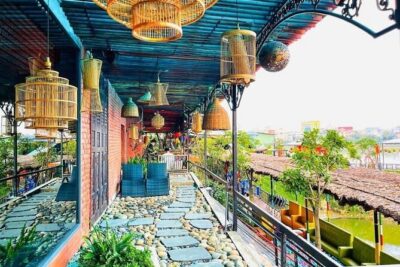
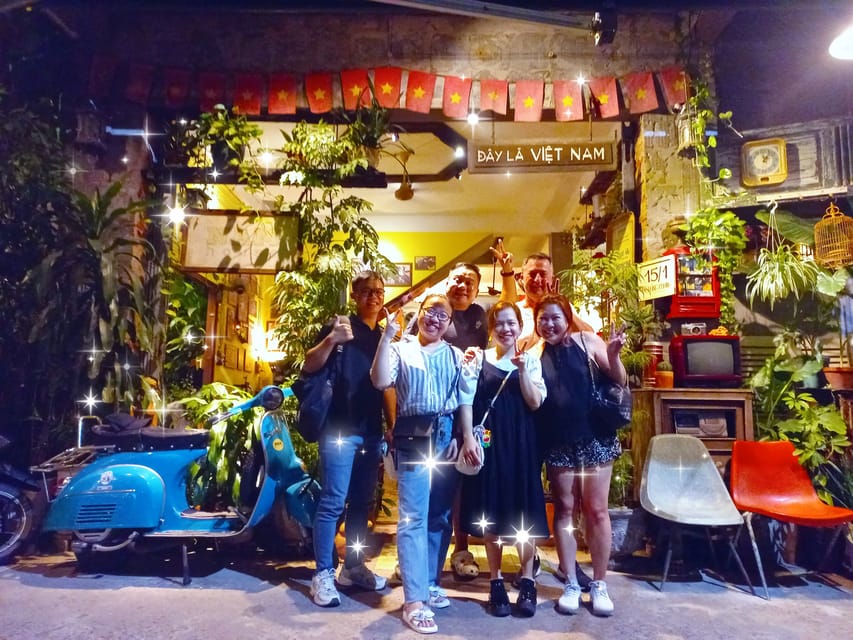
The café at the meeting point—Outta da Blue – Specialty Coffee at 66 Pasteur, Hải Châu 1, Hải Châu—is described as quirky and retro by people who did the tour. One reason coffee moments work well on food walks is they slow you down. Your guide can explain what you’re tasting, and you can recover if you’re road-fatigued from walking and crossing streets.
Practical move: order what’s offered as part of the tour flow unless you truly dislike it. If you’ve never had egg coffee (or peanut coffee), this is one of the best places to try because you’re not guessing how it should taste.
Guide energy matters more than you think (David, Lyn, Leo, Allie, Mia, and Leo again)
This tour succeeds because the guides don’t just hand you food. Names that show up in guide feedback include David, Lyn, Leo, Allie, and Mia, and the consistent theme is that they connect dishes to everyday life.
When guides explain what you’re eating—why it’s sweet-sour, what kind of sauce balance to expect, how locals snack versus meal—you stop eating as a checklist. You start eating like you understand the logic of the cuisine.
A bonus from the group vibe: guides like these also help you cross busy roads safely. That matters in Da Nang, where streets can feel fast and chaotic if you’re not used to traffic patterns.
What walking contributes (and what to do about it)
This is a walking food tour, so your feet are part of the ticket price. The walk itself is described as easy in multiple accounts, but “easy” still means you’ll be on your feet for about 150 minutes.
Plan for one key thing: take your time with each stop. If you rush through tastings, you’ll miss the flavor logic and you’ll regret it later when you try to remember what you liked.
Bring a small water habit too. The tour includes bottled water, but you’ll still appreciate having a casual sip routine, especially if the evening gets humid.
Also, the tour runs rain or shine. If you want comfort and no stress, pack a light rain layer and wear shoes that can handle wet pavement.
Value check: why $29 can feel like more than a snack run
Street food can be confusing if you’re on your own. You pay for the food, then you pay again in wrong guesses and long waits.
Here, the math is simpler:
- You get 8 dishes plus dessert
- You get 6 tasting locations
- You get an English-speaking guide
- You get water, and the amount is described as enough for dinner
- The group is capped to keep it manageable
For many visitors, the biggest “hidden cost” is time. You don’t have to research stalls, translate menu items, or decide on the fly. You trade that uncertainty for a fixed plan and guided explanations.
If you’re the type who already knows exactly where you want to eat, you might feel less of this value. But if you’re hoping to understand Da Nang food culture quickly, the structure is what earns the price.
Who should book this tour (and who might want a different plan)
This tour is ideal for:
- First-time visitors to Da Nang who want to get oriented fast
- Food lovers who want a mix of familiar and surprising dishes
- People who prefer guided street food instead of wandering hungry with a map
- Families, based on feedback, who want to try street foods in a controlled group setting
It’s less ideal if:
- You hate eggs or don’t want to attempt balut
- You get full quickly and you know you’ll struggle with multiple substantial tastings
- You’re looking for a food tour that’s mostly tasting tiny bites (this one can feel like real servings)
If you’re on the fence, think about your goal. If your goal is to eat your way through Da Nang and come away knowing what to order next time, this fits.
Should you book this Da Nang street food walking tour?
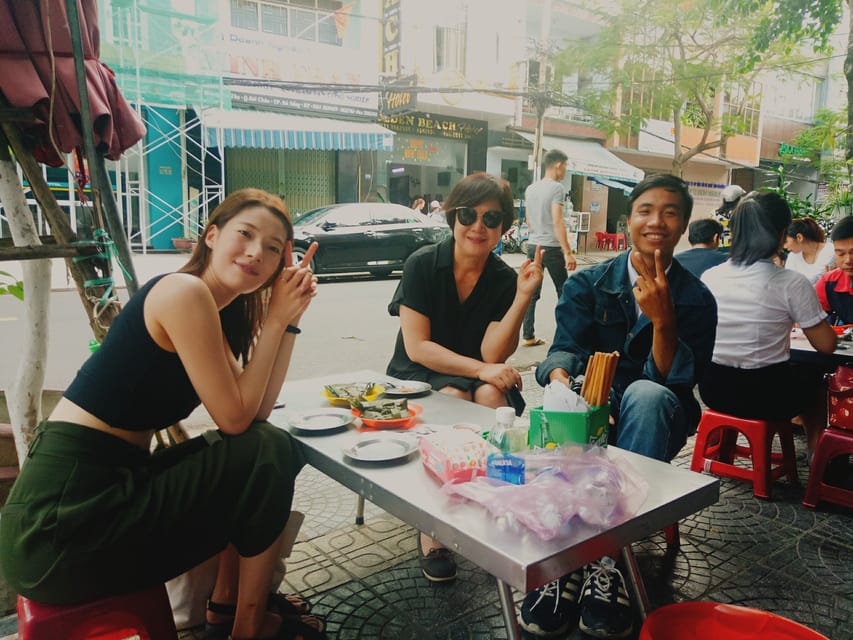
Yes, if you want an organized way to taste the best of Da Nang street food without having to figure it all out yourself. This tour is strongest when you treat it like a learning experience: ask questions, slow down for coffee, and plan to try the full range of dishes, even the ones you’d normally skip.
I’d skip it only if you’re uncomfortable with egg-heavy items like balut, or if you know you won’t enjoy multiple servings in one night. Otherwise, it’s a smart, good-value plan that turns one evening into a real introduction to central Vietnam flavors.
FAQ
What is the duration of the Da Nang Local Street Food Walking Tour?
The tour lasts 150 minutes.
How much does the tour cost?
The price is $29 per person.
How many food tastings are included?
You’ll have 8 delicious samples of local food, plus 1 dessert, across 6 tasting locations.
Is the tour guided, and what language is it in?
Yes, it has a live English-speaking tour guide.
What’s included in the price?
Included items are the English-speaking guide, local food tasting (enough for dinner), and a bottle of water.
What isn’t included?
Pick up and drop off service is not included.
Where does the tour meet?
The meeting point is Outta da Blue – Specialty Coffee, 66 Pasteur, Hải Châu 1, Hải Châu.
Does the tour run in the rain?
Yes. The tour takes place rain or shine, so dress appropriately.