REVIEW · DA NANG
Da Nang: 5 famous dishes cooking class with market trip
Book on GetYourGuide →Operated by Apron Up Cooking Class · Bookable on GetYourGuide
Market-to-kitchen is the best kind of class. You get Bac My An market shopping, then cook a full plate of classic Central Vietnamese favorites with an English guide, including instructors like Chi and Blue who explain things clearly and patiently.
I like that this is not just a cooking show. The class includes a guided market stop where you pick ingredients, then you actually make five dishes yourself and sit down to eat together with fruit and homemade rice vodka. One possible drawback: you’ll be on a tight 4-hour schedule, so it’s best if you don’t expect a super slow, hang-around pace.
In This Review
- Key Things That Make This Class Worth Your Time
- Market-to-Kitchen Flow in Da Nang: Bac My An Shopping First
- The 5 Dishes You’ll Cook (and What Skills You’ll Practice)
- Bun Bo Hue: noodle soup with personality
- Banh xeo: savory crêpe technique
- Fresh roll: wrapping practice you can reuse
- Young jackfruit salad: sour, crunchy, and bright
- Avocado ice-cream: the dessert surprise
- English-Speaking Teaching That Actually Helps
- What Happens in the Kitchen After You Shop
- The Meal Part: Fruit, Rice Vodka, and a Certificate
- Price and Value: Is $40 Fair for This Much Food and Teaching?
- Timing, Getting There, and Weather Reality in Da Nang
- Who This Cooking Class Fits Best
- Should You Book Apron Up in Da Nang?
- FAQ
- What dishes are included in the cooking class?
- How long is the cooking class?
- Where do we meet, and what time should we arrive?
- Is the class taught in English?
- What’s included in the price?
- Is it suitable for people who use a wheelchair?
Key Things That Make This Class Worth Your Time
Bac My An market trip before you cook so you learn what to buy and why
A full 5-dish menu covering savory crêpes, noodle soup, fresh rolls, salad, and dessert
English-speaking instruction with guides known for keeping explanations clear
Hands-on cooking + a real meal you eat right after making it
Take-home proof of effort: printed cookbook and a certificate
Vegetarian adjustment is offered for the young jackfruit salad and other items
Market-to-Kitchen Flow in Da Nang: Bac My An Shopping First
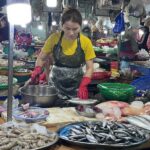
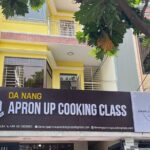
This experience starts in Da Nang with a meet-up at 07 Nguyen Ba Lan street, Ngu Hanh Son, Da Nang. Plan to arrive 10 minutes early so you can get sorted and begin on time. From there, the group goes to a nearby market area with your instructor.
The market portion is the part I think makes this class feel more “Vietnam” and less “tour cooking.” You’re not just grabbing whatever is easiest. You learn how to select produce and ingredients you’ll use later, and you get context for the flavors behind the dishes. That matters, because Vietnamese cooking is heavy on balance: fresh herbs, the right texture, and ingredients that taste good on their own before they ever hit a pan.
Then you return to the kitchen and get to work. Since the whole thing runs about 4 hours, the pace is practical. If you’re the type who wants to linger over every stall, this won’t be the right fit. But if you want a fast, smart way to understand local food, it’s a great format.
You can also read our reviews of more shopping tours in Da Nang
The 5 Dishes You’ll Cook (and What Skills You’ll Practice)
The menu is the backbone of the class: you cook five dishes and eat them afterward. The lineup is:
- Bun Bo Hue
- Banh xeo
- Fresh roll
- Young jackfruit salad
- Avocado ice-cream (with a vegetarian version option if you need it)
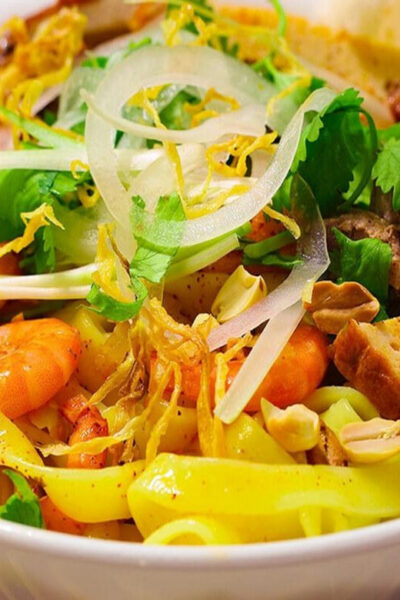
Bun Bo Hue: noodle soup with personality
Bun Bo Hue brings the “comfort bowl” side of Vietnamese food. Even if you’re not chasing spice, the soup concept teaches you how Vietnamese flavors build: broth base, supporting herbs, and toppings that give contrast. It’s one of the best dishes in the set because it’s both filling and clearly different from the more pan-and-wrap focused items.
Banh xeo: savory crêpe technique
Banh xeo is a hands-on skill dish. You’re working with batter and getting it to set the right way, then pairing it with the right kind of freshness on the side. If you’ve never cooked something like a Vietnamese crêpe before, this is often the dish that feels most transformative.
Fresh roll: wrapping practice you can reuse
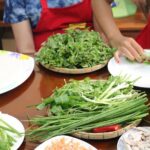
Fresh rolls are great because the technique is repeatable at home. You learn how to assemble and roll without turning it into a sticky mess. This dish also helps you understand how Vietnamese “fresh” cooking still needs intention: the right ingredients, the right amounts, and the right wrap.
You can also read our reviews of more tours and experiences in Da Nang


Young jackfruit salad: sour, crunchy, and bright
This is the salad in the class, and it’s usually where people pay attention. Young jackfruit gives a crisp, “vegetable” texture that works well with sour and savory flavors. If you’re vegetarian, you’ll be guided with a vegetarian version option, which is a big plus in a mixed menu.
Avocado ice-cream: the dessert surprise
Avocado ice-cream is the curveball, and that’s why I like it. It turns an ingredient most people only think of as savory into something cold and sweet. It also gives you a skill you can actually recreate, since desserts are often simpler to practice after your trip than multi-component soups.
English-Speaking Teaching That Actually Helps
This is taught by an English-speaking instructor, and the vibe matters. The best classes are the ones where you can ask a question without worrying about language gaps or awkward pauses. Here, your guide walks you through what you’re doing, and they’re used to correcting mistakes in a kind, practical way.
In the feedback I’m seeing, guides like Chi, Blue, Daisy, and Bora are praised for being attentive and cheerful, and for explaining in a way that makes you feel confident. One of my favorite teaching styles in cooking classes is when the instructor doesn’t just tell you what to do. They help you understand what success looks like, so you can troubleshoot as you go.
That’s also why this works well for first-time cooks. You’re not expected to already know Vietnamese technique. You’re expected to learn it today, then take the recipes home.
What Happens in the Kitchen After You Shop
Once you return from the market, you start cooking the five dishes. The class includes the cooking tools, and the ingredients are covered, which keeps the experience simple. You’re not stuck figuring out what’s missing or paying extra mid-class.
As you cook, you’ll learn how the dishes come together as a meal. Vietnamese food is rarely just one flavor. It’s a set of contrasts: something hot with something cool, something crunchy with something soft, and something sour next to something mild. Seeing that on a plate helps it make sense when you cook later.
If you have dietary needs, the class notes that a vegetarian version is available for the young jackfruit salad. That’s useful if you eat vegetarian but still want the full menu structure instead of a totally different class.
The Meal Part: Fruit, Rice Vodka, and a Certificate
After you finish cooking, you eat what you made. This isn’t a tiny sample plate. The class includes fruit, welcome tea, and homemade rice vodka, and the idea is to enjoy the meal while chatting with your instructor.
That social piece is practical. Food tastes better when you know what you’re tasting. Your guide can answer questions you’d otherwise miss on your own, like how locals pick ingredients or how people adjust flavors at home. If you’ve been wondering why certain herbs show up everywhere, this is where those answers land.
Then you get the take-home items: a printed cook book and a certificate. These aren’t just souvenirs. A cookbook helps you repeat the dishes at home without relying on memory from photos alone.
Price and Value: Is $40 Fair for This Much Food and Teaching?
At $40 per person, you’re buying more than a recipe lesson. You’re getting:
- a market trip
- an English-speaking guide
- cooking for 5 dishes
- all ingredients fees
- cooking tools
- welcome tea, fruit, and rice vodka
- a printed cookbook
- a certificate
In other words, your money covers the whole day’s “inputs”: teaching, ingredients, and the meal format. For a class that lasts about 4 hours, that’s strong value, especially since you’re also getting guidance on ingredient selection. If you’ve ever paid for a cooking activity where you only do one dish, this feels more complete.
One thing to consider is that the experience is time-packed. You’re paying for efficiency, not a slow storytelling walk. If that doesn’t match your travel style, look for a longer class instead.
Timing, Getting There, and Weather Reality in Da Nang
The tour meets at the address in Nguyen Ba Lan street and runs for about 4 hours. Starting times vary, so check availability for the exact slot.
You’ll want comfortable clothes and shoes. Market walking and kitchen time both require mobility, and you’re working with ingredients that can be messy. Also, Da Nang weather can be unpredictable. Even if rain interrupts plans, the experience is designed to keep the day moving, including when conditions turn wet during monsoon season.
So bring a light rain layer if you’re traveling in rainy months. It’s not glamorous, but it helps you stay focused on cooking instead of battling discomfort.
Who This Cooking Class Fits Best
This class suits a wide range of people because the menu is approachable and the instruction is in English. I think it’s especially good for:
- food lovers who want a market-to-cooking connection
- first-time cooks who want clear, step-by-step guidance
- people who want a full meal experience, not just samples
- vegetarians, since a vegetarian version is offered for the young jackfruit salad
There are also clear limits: it’s not suitable for children under 4 and it’s not suitable for people over 95. On the positive side, it’s marked wheelchair accessible, which is worth noting if you need mobility support.
Should You Book Apron Up in Da Nang?
If you want an experience that combines local food shopping with actually cooking and eating five dishes, I’d book this. The biggest strength is the order of operations: market first, then kitchen, then meal. That sequencing teaches you how the ingredients connect to the final flavors.
I’d only hesitate if you dislike structured time blocks or you prefer classes that let you linger for longer in markets. Also, if avocado ice-cream sounds strange to you, that’s exactly why it’s included. It’s a fun part of the menu, and it gives you a recipe you can try later.
FAQ
What dishes are included in the cooking class?
You’ll cook five dishes: Bun Bo Hue, Banh xeo, fresh roll, young jackfruit salad, and avocado ice-cream. A vegetarian version is available if you are vegetarian.
How long is the cooking class?
The class lasts about 4 hours. Starting times vary, so check availability for the times offered.
Where do we meet, and what time should we arrive?
Meet at 07 Nguyen Ba Lan street, Ngu Hanh Son, Da Nang. Arrive about 10 minutes before the start time.
Is the class taught in English?
Yes. The instructor speaks English.
What’s included in the price?
Included are the market trip, English-speaking guide, 5-dish menu course, all ingredients, cooking tools, welcome tea, fruit, rice vodka, cookbook, and a certificate.
Is it suitable for people who use a wheelchair?
Yes, the experience is marked wheelchair accessible. It is not suitable for children under 4 and it is not suitable for people over 95.