REVIEW · DA NANG
Da Nang Cycle Rickshaw Tour Private with Street Foods/Han Cruise
Book on Viator →Operated by Hung Le Travel-The Local Signature · Bookable on Viator
Three wheels beat the usual walking tour pace. This private Da Nang ride-and-food plan threads temples, French-era sights, and the Han River into one easy evening plan. You also get the kind of local food stop that doesn’t feel like a rushed snack dash.
I especially love the way the route builds momentum: Dragon Bridge photos first, then a slow cruise-like rhythm along the river. Second, the food list is broad enough to feel like a real meal—6 kinds of local cakes, My Quang noodles, and Banh My—without you needing to guess what to order.
One consideration: if you’re picky about timing and start times, the experience needs good weather and runs on a tight flow of stops. Also, double-check you booked the right option (rickshaw-only vs adding the Han cruise), because the one poor review complained about a mismatch.
In This Review
- Key things that make this tour worth your time
- Three-Wheeled Da Nang: the value behind $15
- Choosing the right option: rickshaw-only or add the Han River cruise
- Stop by stop: what you’ll actually do and what’s special about each place
- Dragon Bridge photos first: easy wow factor over the Han River
- From the river path to the swing bridge: a ride that feels local
- Da Nang Cathedral (French-built, 1923): the pink church moment
- Han Market (French-built, 1940): shop, snack, and pick gifts
- Long An Temple (17th century): calm focus before the food
- APEC Park and the kite-shaped building: the modern Da Nang twist
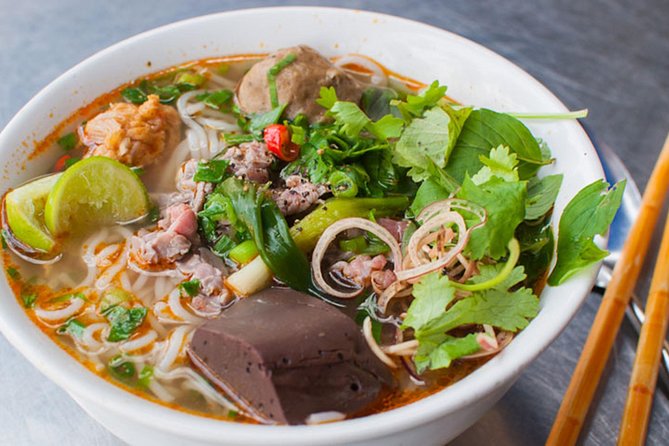
- The street-food part: what you’ll eat and how to pace it
- The role of the guide: why Mun’s name came up
- Timing and weather: the one thing that can change everything
- Price, tips, and what you should expect to pay extra
- Who this tour fits best
- Should you book the Da Nang Cycle Rickshaw Tour with street foods and Han cruise?
- FAQ
- How long is the Da Nang cycle rickshaw tour?
- Is pickup included?
- What food is included in the street-food part?
- Are entrance tickets included?
- Do I have to choose between the rickshaw and the Han cruise?
- Is this tour private?
- Is there a mobile ticket?
- Do I need to tip the rickshaw rider?
- What’s the cancellation policy?
Key things that make this tour worth your time
- Real street-food variety: 6 local cakes plus My Quang and Banh My, not just one token bite
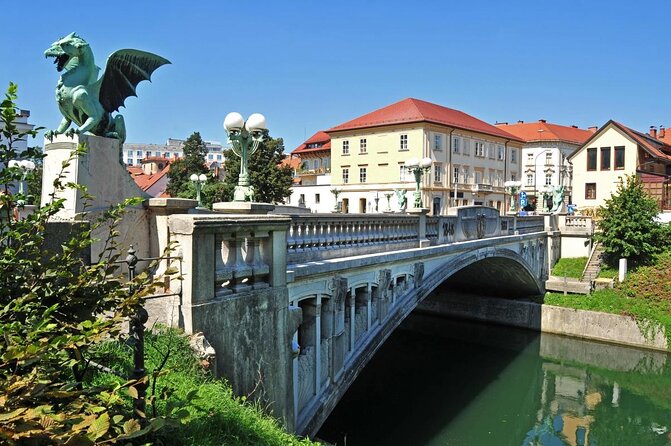
- Photo-friendly river landmarks: Dragon Bridge viewpoints and a swing bridge stop on the river route
- Colonial-era stops: Da Nang Cathedral and French-built Han Market area
- Private, English-speaking local host: your guide sets the pace and fills in context
- Optional Han River cruise: if you start around 17:00, you can add a 45-minute boat ride
Three-Wheeled Da Nang: the value behind $15
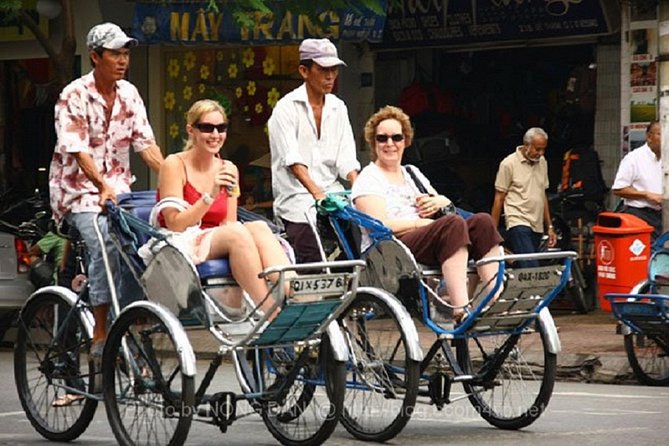
For $15 per person, you’re not just paying for a “walk and look.” The deal includes a private English-speaking host, pickup and drop-off within about 4 km of your meeting area, and all the entrance tickets listed for the route. On top of that, you get a food tasting that covers multiple local favorites in one go.
That matters in Da Nang, where you can absolutely find street food—yet you still have to figure out what to order, how much to eat, and where to go next. This tour hands you a ready-to-follow path with the eating built into it. You get to sample several items without turning the evening into a hunt.
You also get transport at the points where it counts. Part of the day is on foot for the sightseeing, but you hop on a 3-wheel rickshaw for the local-life viewing and to connect river areas efficiently.
The other big value piece is guidance. The best part isn’t just naming places—it’s the stories attached to them: Champa-era references, colonial-era context around French-built sites, and war-era background shared while you move through the riverfront area.
You can also read our reviews of more boat tours in Da Nang
Choosing the right option: rickshaw-only or add the Han River cruise
This experience comes in two main formats:
- Rickshaw option: includes a 30-minute rickshaw riding experience along the route.
- Han cruise option: includes 45 minutes on the Han River, and the overview notes that if you start at 17:00, you’ll have this added option.
You don’t have to pick “more is better.” Think about your day:
- If you want a lighter, quicker evening and prefer land-based sightseeing, go rickshaw-only.
- If you’re coming in later or you want the riverfront atmosphere to stretch a bit, add the Han cruise.
If you do the cruise option, you’ll want a camera ready and comfortable shoes. Boat time plus walking can still add up, but it’s a very manageable mix for a 3–4 hour outing.
Stop by stop: what you’ll actually do and what’s special about each place
Dragon Bridge photos first: easy wow factor over the Han River
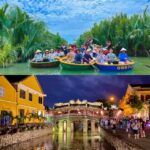
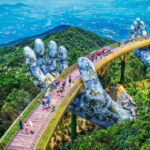
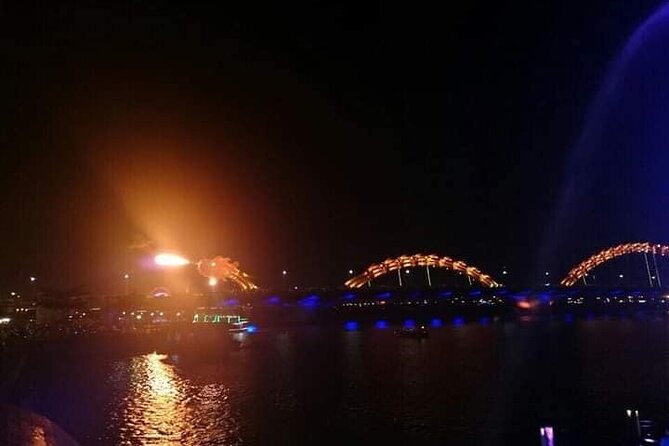
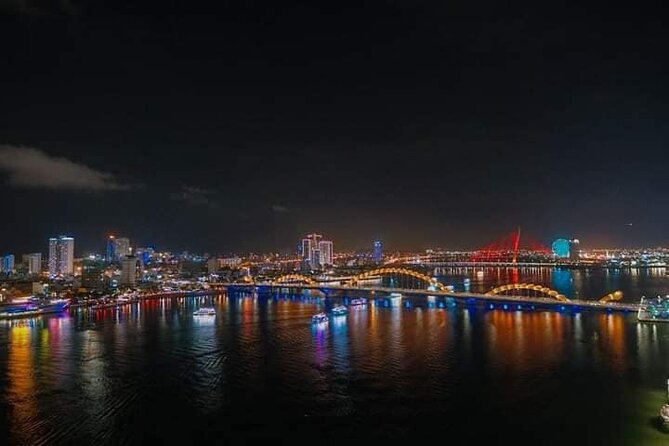
You start with a visit to Dragon Bridge, walking to the middle area for photos on both sides of the Han River. This is the moment where the tour gives you a big payoff early: the river view, the bridge structure, and the feeling of being in the center of Da Nang’s riverside identity.
Why it works: it’s low-stress. You aren’t trying to decode a complex monument while hungry or tired. You’re just getting your bearings and setting the mood for the rest of the evening.
Time on this stop is about 30 minutes, and admission ticket is included.
Tip for photos: stand where the guide suggests and rotate slowly. Riverfront reflections can change quickly, especially if your timing lines up near sunset.
From the river path to the swing bridge: a ride that feels local
Next, you get on the 3-wheel bicycle again and head along Bach Dang street to see Han River Bridge, described as the first swing bridge in Vietnam. This segment is one of the most “local life” parts of the tour because you’re traveling along a working street instead of only looking at monuments from a distance.
The stop time is also about 30 minutes, with admission included.
What to watch: the way the rider navigates the river-side traffic flow. It’s not about speed—it’s about moving at a human pace while you get glimpses of everyday rhythms along the water.
You can also read our reviews of more cycling tours in Da Nang

Da Nang Cathedral (French-built, 1923): the pink church moment
Then you visit Da Nang Cathedral, built by the French in 1923. In many Da Nang itineraries, this is the moment people point at when they say pink church, and here you’ll be able to see it as a real place of worship, not just a photo background.
The visit lasts around 30 minutes and includes admission.
A quick practical note: churches often have rules about where you can stand and how you dress. The tour includes the ticket, so you’ll be able to focus on the experience rather than figuring out entry details.
Han Market (French-built, 1940): shop, snack, and pick gifts
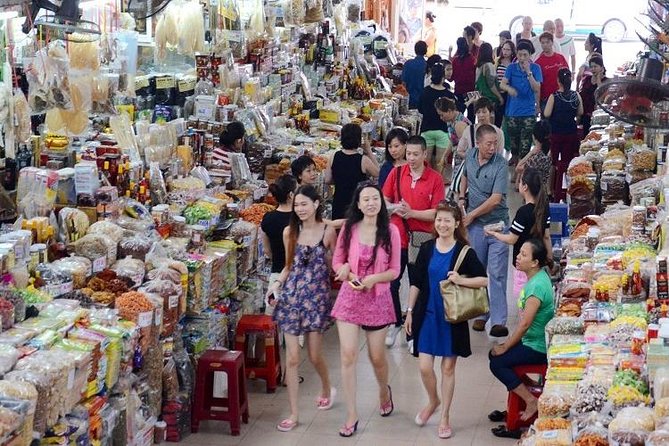
After the cathedral, you walk into Han Market, built by the French in 1940. This is the stop where the tour shifts from sightseeing into practical local life: you can browse, pick out souvenirs, and choose gifts with help from your host.
Time here is about 30 minutes, and this stop is listed as admission free. You’ll likely spend some of that time just figuring out what you actually want to take home.
What I like about this stop: it’s not forced. You’re given time to look and decide. If shopping is your thing, this is one of the better places to do it without losing the rest of the tour.
Long An Temple (17th century): calm focus before the food
The tour then moves to Long An Temple, described as one of the oldest pagodas in Da Nang, dating to the 17th century. The overview also points to An Long Pagoda and a Cham museum outside segment where you hear stories tied to the Champa Kingdom and its history across central Vietnam.
This part is quieter than the riverfront. It’s where you get a reset before the food stops, and it adds depth beyond the “pretty streets and bridges” mode.
Time is about 30 minutes, and it’s admission free.
Even if you don’t know much about Vietnamese Buddhism or Champa references, a good local host makes it make sense—what you’re seeing, why it mattered, and how locals think about it.
APEC Park and the kite-shaped building: the modern Da Nang twist
Finally, you end at APEC Park, including time to see the kite-shaped building. The tour notes this design is influenced by the Esplanade Theatre in Singapore and mentions an impressive look and check-in spot.
This stop is about 15 minutes, and admission is free.
Why it’s a good ending: it closes with a more modern, playful visual. If you’re thinking about Da Nang as a “what else is here?” city beyond beaches, this is a quick way to show the newer side of town.
The street-food part: what you’ll eat and how to pace it
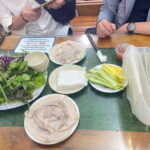
The street-food segment is built into the route through hidden alleys and local snack corners along the way. Your meal includes:
- 6 kinds of local cakes
- My Quang noodles (a Da Nang specialty)
- Banh My (the famous Vietnamese sandwich-style bite)
This is the most highly praised element in the feedback: people love the variety and the fact that it happens alongside everyday streets rather than behind a glassy tourist counter.
How to make it work in your stomach:
- Take small bites and share if your host offers a natural moment to do so.
- Save your biggest bites for the middle, not the first round—My Quang can be filling.
- If you’re sensitive to spice or sauces, tell your host early so they can suggest the safest items first.
The tour also frames the food as part of the local scene—so you’re not eating in a vacuum. You’ll hear context tied to what you’re tasting and how people order it in daily life.
The role of the guide: why Mun’s name came up
One review highlighted a guide named Mun as friendly and full of knowledge, especially in terms of walking backstreets and making the food portion feel natural. That’s a big deal because the difference between a good food stop and a chaotic one is communication.
You want someone who can:
- keep the pace steady,
- translate menus or local cues,
- and help you understand what you’re looking at without turning the evening into a lecture.
Based on the feedback pattern, this is where the experience tends to shine. If you’re booking because you want local texture—food plus stories—this host-led approach is the main reason.
Timing and weather: the one thing that can change everything
This experience requires good weather. That’s not a throwaway line. Rain can ruin street-food comfort, make riverfront walking less pleasant, and affect how well the route flows.
The tour also has a tight structure. One bad review complained about a 30-minute late start and a mismatch with what the person thought they booked. That points to your best move as a traveler: confirm which option you selected before the day, and show up ready when the tour starts.
If you’re aiming for an evening show, there’s a practical tip from a review: Friday through Sunday is a good bet to catch the fire-water show on Dragon Bridge, depending on your timing.
Price, tips, and what you should expect to pay extra
At $15 per person, the tour feels like solid value because the price already covers:
- a private English-speaking host,
- pickup/drop-off (within roughly 4 km),
- listed entrance tickets,
- rickshaw riding (in the rickshaw option),
- Han cruise (in the cruise option),
- and the street-food tasting meal.
The one extra cost you should plan for is the rickshaw rider tip: $1 per person.
That’s fairly small compared to the fact you’re getting transport plus guided stops. Still, don’t skip it in your budgeting—it keeps the experience respectful for the rider who’s working during the tour.
Who this tour fits best
This tour is a great fit if you want:
- an evening plan that mixes sightseeing and eating,
- a private guide so you can ask questions and move at a comfortable pace,
- street food with structure (multiple items, not random picking),
- and a Da Nang route that covers both older landmarks and newer design touches.
It’s also a good match if you don’t want to spend your whole day planning between attractions. You’ll hit a lot of key areas in a single 3–4 hour block.
If you dislike walking, you’ll still be okay because the route uses rickshaw connections, and you’re not asked to cover huge distances on foot. But you do need to wear comfortable shoes.
Should you book the Da Nang Cycle Rickshaw Tour with street foods and Han cruise?
I’d book it if you’re hungry for local food and you want a guided route that makes sense from stop to stop. The price feels fair for what’s included, and the food portion is the headline for a reason: it gives you multiple local tastes plus a guided path through the places that made them part of everyday Da Nang life.
I would pause and double-check if:
- you’re very time-sensitive,
- you booked expecting a totally different format (the one low rating mentioned confusion about what was booked),
- or you’re worried about your guide’s English level. The same low review said English wasn’t strong enough, while other feedback was positive about guide quality.
If you want a reliable way to see the Han River area and eat your way through Da Nang without overthinking every meal, this one earns its high rating.
FAQ
How long is the Da Nang cycle rickshaw tour?
It’s listed as about 3 to 4 hours (approximately).
Is pickup included?
Yes. Pickup and drop-off are offered for guests away from the meeting point, within about 4 km.
What food is included in the street-food part?
You get 6 kinds of local cakes, My Quang noodles, and Banh My.
Are entrance tickets included?
Yes. All the entrance tickets are included in the tour.
Do I have to choose between the rickshaw and the Han cruise?
Yes. There’s a rickshaw option (with 30 minutes of rickshaw riding) and an option that adds the Han River cruise (45 minutes). The overview says starting at 17:00 includes the Han cruise option.
Is this tour private?
Yes. It’s described as a private tour/activity, and only your group participates.
Is there a mobile ticket?
Yes. The experience includes a mobile ticket.
Do I need to tip the rickshaw rider?
Yes. The tour lists a tip of $1 per person for the rickshaw rider.
What’s the cancellation policy?
You can cancel for a full refund up to 24 hours before the experience’s start time. It’s also noted that the experience requires good weather; if it’s canceled due to poor weather, you’ll be offered a different date or a full refund.