One day in Vietnam, and your brain gets two cities. Da Nang and Hoi An in a single run is the main draw, and it’s built around food, cultural stops, and smart routing with entry tickets included. I like tours that help you get your bearings fast without turning the day into a logistics puzzle.
What I like most is the small group size (max 10), which makes it easier to ask questions and move at a human pace instead of shuffling with strangers. I also like that you travel in a modern vehicle with a professional driver, so the heat and traffic don’t steamroll your schedule.
One possible drawback: you’re stacking a lot into about 5 to 6 hours, so you’ll want comfortable shoes and a willingness to keep moving. If you prefer a super-slow day, you might feel a little rushed—especially in old-town lanes.
In This Review
- Key reasons this tour works
- Meeting in Da Nang: where the day starts (and why it matters)
- Da Nang’s first hits: Dragon Bridge and My Khe Beach
- Coffee stop in Da Nang: a quick taste you can plan around
- Son Tra Mountain and the Lady Buddha Pagoda views
- Marble Mountains: caves, tunnels, and temple pockets
- Transfer mindset: how the Da Nang to Hoi An switch stays manageable
- Hoi An Ancient Town (UNESCO): where to focus your attention
- Assembly halls, the Japanese Covered Bridge, and old houses
- Night markets in Hoi An: food plus shopping without the chaos
- Guides like Dat, Thinh, Mee, Kelly, Anh, Lam, and Long
- $72 value: what you’re really paying for
- Who should book this Da Nang and Hoi An food-and-sightseeing day
- Should you book it? My decision checklist
- FAQ
- How long is the Da Nang and Hoi An tour?
- Is pickup available, and where do we meet?
- Are entrance tickets included?
- What is the maximum group size?
- What food and drinks are included?
- Can I get a full refund if I cancel?
Key reasons this tour works
- Small-group attention (max 10) that makes questions and photo stops feel natural
- Private, air-conditioned vehicle that saves time versus hopping between public transport
- UNESCO Hoi An Ancient Town with included entry, plus major historic buildings
- Son Tra Peninsula viewpoints, including Linh Ung/Lady Buddha pagoda
- Night-market food time so the day isn’t all sightseeing-only
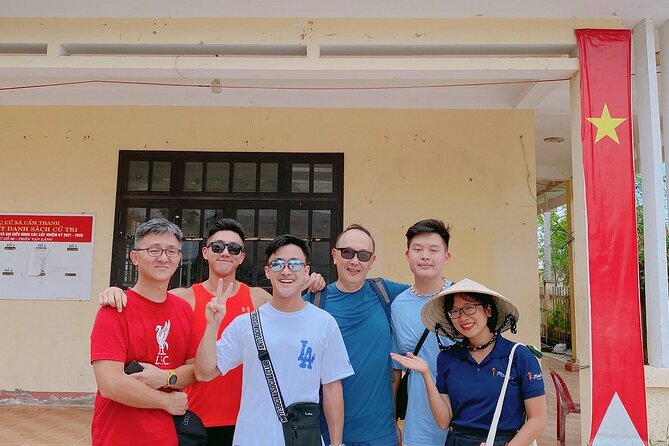
- Guides with strong on-the-ground know-how, from people like Dat, Thinh, Mee, Kelly, Anh, and Tracee
Meeting in Da Nang: where the day starts (and why it matters)
You meet at The Cups Coffee Roastery in central Da Nang (192 Nguyễn Văn Thoại, Bắc Mỹ Phú, Ngũ Hành Sơn). The tour also notes pickup is offered, and the meeting point is near public transport—handy if you’re staying somewhere not perfectly centered.
This matters because your morning sets the tone. Instead of fighting with bus stops or asking strangers where the next transfer is, you’re already in the driver’s seat (figuratively). And with a group capped at 10, the meeting point setup tends to feel orderly.
You can also read our reviews of more food & drink experiences in Da Nang



Da Nang’s first hits: Dragon Bridge and My Khe Beach
The day kicks off with Dragon Bridge and My Khe Beach—a classic combo for visitors because it shows two sides of Da Nang quickly.
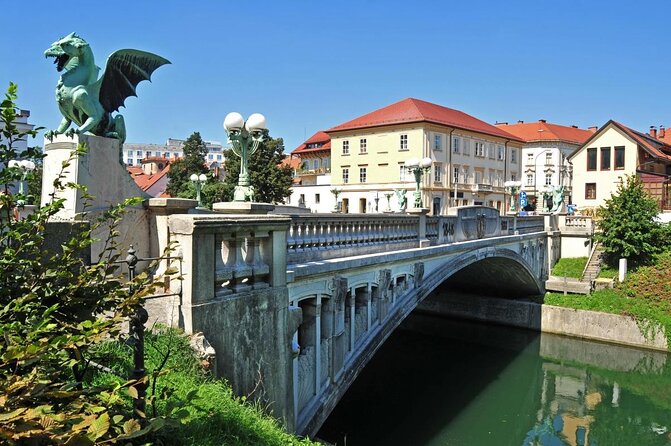
- Dragon Bridge is right at the busy Le Dinh Duong/Bach Dang traffic circle, and it’s free to enter. It’s a fast way to see how the city uses bold design as a landmark, not just as a functional crossing.
- My Khe Beach is a 10-kilometer stretch of coastline, running from the Son Tra Peninsula to the Marble Mountains. It’s been recognized as one of the world’s most beautiful beaches by Forbes, and even if you don’t obsess over ratings, the scale helps you understand why locals and visitors treat this area like a daily living room.
One practical thought: bring sunscreen and water. This part is outdoors, and the tour includes bottled water, but you’ll still want to use it.
Coffee stop in Da Nang: a quick taste you can plan around
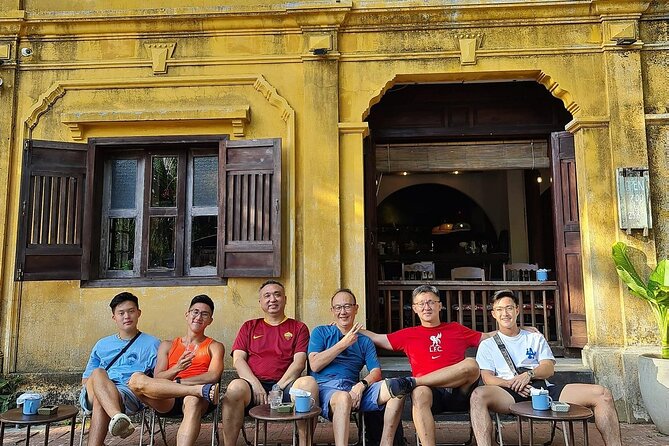
You’ll also stop at a traditional coffee shop in Da Nang for about 30 minutes. This is where you get a taste of Vietnamese-style coffee—specifically sweet egg-yolk coffee made with condensed milk.
Even if you’re not a coffee person, this stop is useful because it adds local flavor (literally) without derailing the schedule. And if coffee is your thing, you’ll have a small window to try it before the day becomes mostly outdoor walking and temple steps.
Son Tra Mountain and the Lady Buddha Pagoda views
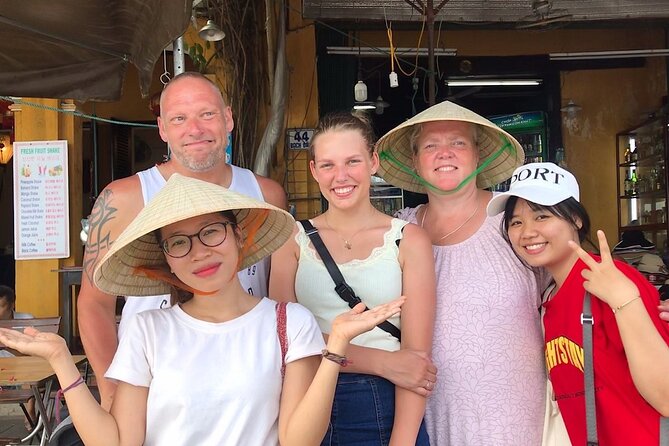
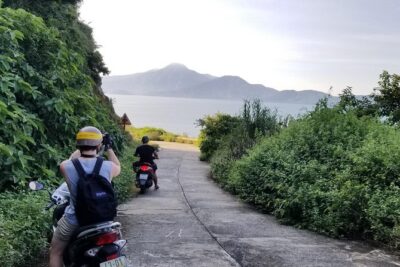
Next up is Son Tra (Monkey) Mountain, a natural park area rising to 693 meters. The drive from Da Nang is short—about 35 minutes—which helps keep the day from feeling like one long transfer.
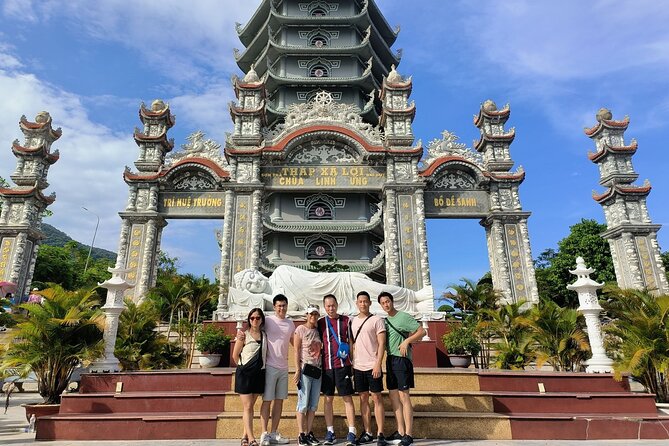
Then comes Lady Buddha (Linh Ung Pagoda) on the Son Tra Peninsula, with included admission. The highlight here is the tall 67-meter Buddha statue, and it’s one of those stops where you’re not just looking at a sculpture—you’re taking in why people come here. The higher viewpoints help you see the coastline and the peninsula’s role in the city’s identity.
Practical tip: wear something comfortable for stairs and viewpoints. The included time (about 45 minutes) is usually enough for photos and a calm walk, but you don’t want to be fighting footwear.
Marble Mountains: caves, tunnels, and temple pockets

You’ll also spend time at the Marble Mountains, known for limestone and marble hills with caves, tunnels, and temples spread throughout. This stop gives you a different feeling from beach-and-bridge Da Nang. It’s more textured—cooler air in cave sections, more climbing and looking around, and lots of religious details packed into one area.
Why this stop is worth it: it’s not just a single viewpoint. You’re walking through a mini world of spiritual sites and rock formations, which makes it easier to break the day into segments instead of doing one long stretch of city walking.
Potential drawback: if you strongly dislike stairs or tight passages, cave-and-temple areas might be your least favorite moment. You can still enjoy the structure and views, but you’ll want to set expectations for a bit of uneven walking.
You can also read our reviews of more tours and experiences in Da Nang




Transfer mindset: how the Da Nang to Hoi An switch stays manageable

Once Da Nang sightseeing wraps, you head to Hoi An Ancient Town. The key benefit here is that you’re not doing the travel part yourself. The tour runs on a private vehicle with a professional driver, which helps you arrive with less stress and more energy for old-town wandering.
Also, this is where the small-group setup matters again. When the day has multiple stops, crowds can make everything slower. With a group under 10, you’re more likely to get moments where you can actually look at a building instead of just standing beside it.
Hoi An Ancient Town (UNESCO): where to focus your attention
Your core historic stop is Hoi An Ancient Town, a UNESCO World Heritage site. Expect about 2 hours with included admission.
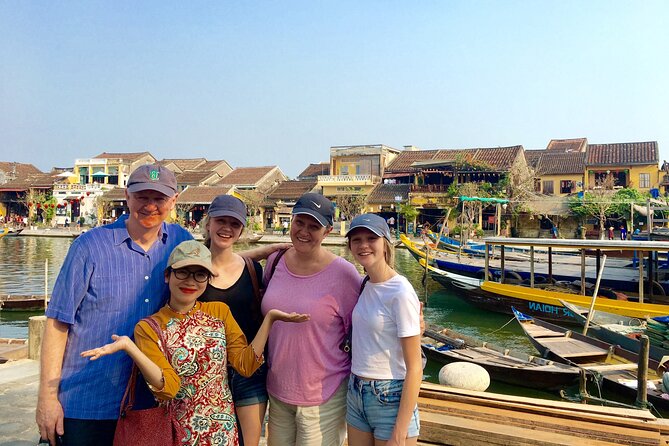
Hoi An is famous because it was a 16th-century trading port, and that history shows up in the way the town is built and layered—Chinese, Japanese, and Vietnamese influences all leaving physical marks. It’s not one museum stop; it’s a whole area where streets, houses, assembly halls, and bridges all tell parts of the story.
If you’re thinking like a smart visitor, focus on three things during your walk:
- The mix of architectural styles (you’ll see it in entrances, halls, and bridge design)
- The quiet details inside shopfronts and older buildings
- The rhythm of the streets, because Hoi An’s charm is often in what you notice between the headline sights
If you like photography, this is a good segment to slow down for 10 minutes and pick a small loop you’ll repeat. That’s usually the difference between getting “a few pictures” and getting actual memories.
Assembly halls, the Japanese Covered Bridge, and old houses
Hoi An isn’t just one stop. You’ll hit several smaller highlights that connect the dots between communities.
You’ll see (with included entry time allocated across visits) places like:
- Fukian (Phuc Kien) Assembly Hall, built around 1690, originally serving the Chinese community from Fujian
- Japanese Covered Bridge (Chùa Cầu), completed in 1593—iconic for its covered structure and its role as a pedestrian crossing
- Old House of Tan Ky, plus an additional historic house stop (you’ll also spend time at an ancient Duc An House type of visit)
Why these are so satisfying: they’re human-scale history. You’re not just reading about trading ports—you’re walking through spaces where communities gathered, prayed, and made decisions. In a place like Hoi An, those building types are the story.
What to watch for: old houses and assembly halls often mean walking through courtyards and narrow entrances. Take your time, look for inscriptions or decorative details if your guide points them out, and don’t rush the photo part. You’ll get better results when you slow down.
Night markets in Hoi An: food plus shopping without the chaos
The day doesn’t end with a lecture. You also get time to walk through Hoi An’s night market, with plenty of local foods and products available. This is where you’ll find Hoi An’s famous lanterns and snack-style dinner options.
I like this structure because it changes the pace. You’ve spent the day learning landmarks and cultural context—then you get an easy, sensory reward: smell, taste, and browse.
A practical move: don’t try to eat everything. Pick 2–3 small items and leave room for a “bonus bite” if something looks especially tempting later. If you’re shopping, lanterns can be the biggest spend, so it helps to glance at a few stalls first and then choose.
Guides like Dat, Thinh, Mee, Kelly, Anh, Lam, and Long
This tour’s real engine is the guide experience. The day is packed with historical context and short site windows, so having a guide who can explain without overwhelming makes a big difference.
Across guide names you may be assigned—Dat, Thinh, Mee, Kelly, Anh, Tracee, Lam, Long—a common theme shows up: flexibility. People like the way their guide adjusts pacing, creates time for questions, and gives practical recommendations for where to go next.
One standout pattern: guides often help with evening plans, including good food spots and even pointers on tailor-made cloth shopping in Hoi An. That’s useful because Hoi An has plenty of stores, but not all are equally priced or equally reliable for quality. A local suggestion saves time.
$72 value: what you’re really paying for
At $72 for 5 to 6 hours, the price looks fair once you break down what’s included.
You’re paying for:
- Transportation in a modern vehicle with a professional driver
- English-speaking guide
- Bottled water
- Local food & drinks
- All entrance fee (the day includes multiple included-entry stops, with some listed as free anyway)
Here’s the value logic: Da Nang to Hoi An isn’t a short hop, and the included tickets mean you’re not doing math or hunting for admissions midday. Add in a maximum group of 10, and you get a day that’s more comfortable than piecing it together yourself.
Could it be cheaper? Sure, if you self-drive or mix buses and taxis. But then you lose time and you take on the navigation stress. For most people on a tight schedule, the “pay to reduce hassle” approach is exactly why this price point works.
Who should book this Da Nang and Hoi An food-and-sightseeing day
You’ll likely enjoy this tour if:
- You want both cities in one day without juggling transport
- You like a balance of big landmarks (Dragon Bridge, Lady Buddha) and older town details (assembly halls, covered bridge, old houses)
- You prefer a small-group day with time to ask questions
- You’re okay with a packed itinerary and want a structured plan
You might skip it if:
- You’re the type who wants long stays at each site and hates moving on quickly
- You’re sensitive to stairs and uneven walking in cave/temple areas
Should you book it? My decision checklist
If you’re planning Da Nang + Hoi An and you don’t want to waste your best sightseeing hours in transit, I’d book this. The mix of included admissions, AC vehicle, and real cultural stops in Hoi An is a strong combo for a single-day itinerary.
Before you confirm, check these three things:
- Your comfort level with a fast pace (about half a day sightseeing in each city)
- Footwear for outdoor viewpoints and historic lanes
- Diet needs, because you’re asked to share any dietary requirements at booking time
If those line up, this is the kind of day that helps you leave with a coherent picture of central Vietnam—beach views in Da Nang, then old-port history and night-market food in Hoi An.
FAQ
How long is the Da Nang and Hoi An tour?
The tour runs about 5 to 6 hours.
Is pickup available, and where do we meet?
Pickup is offered, and the tour meeting point is The Cups Coffee Roastery at 192 Nguyễn Văn Thoại, Bắc Mỹ Phú, Ngũ Hành Sơn, Đà Nẵng 550000, Vietnam. The tour ends back at the starting point.
Are entrance tickets included?
Yes. The tour includes all entrance fees, and entry tickets are listed as included for convenience.
What is the maximum group size?
The group size is capped at 10 travelers.
What food and drinks are included?
The tour includes local food & drinks and bottled water.
Can I get a full refund if I cancel?
Yes. You can cancel for a full refund up to 24 hours in advance of the start time.