REVIEW · DA NANG
Safari – Finding the most endangered monkey in the World
Book on GetYourGuide →Operated by SON TRANG DUNG COMPANY LIMITED · Bookable on GetYourGuide
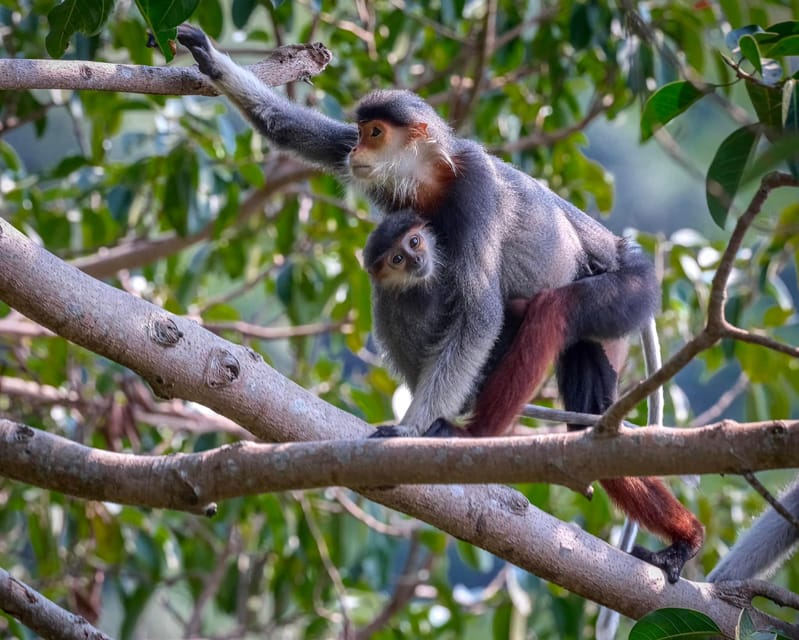
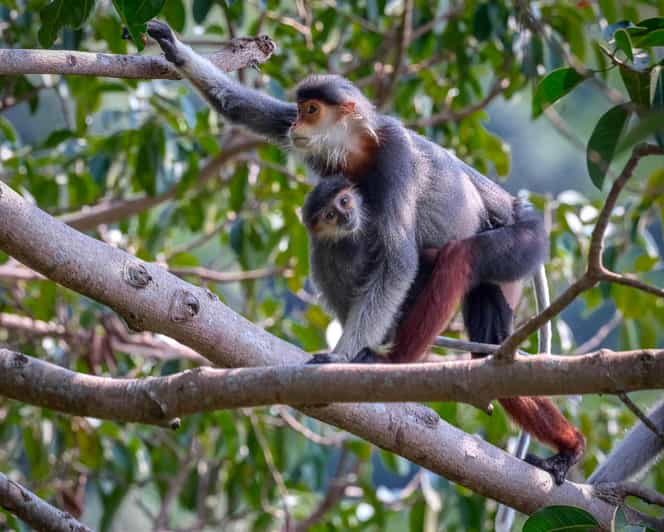
Spotting the rare douc langur is pure luck. In Da Nang, this sunset Son Tra Safari takes you by motorbike and on foot through the reserve for a chance to see critically endangered red-shanked douc langurs. I like the small group setup and the way the guide team uses binoculars to help you actually see what you came for. One thing to consider: seeing monkeys, including the rare ones, is never guaranteed and can change with weather, monkey behavior, and plain luck.
What I also like is that the walk isn’t just chasing sightings. You learn how to tell a female from a male, how to estimate age, and you even help collect basic research data in real time when possible. And since this runs as an easy mountain outing near Monkey Mountain, you’re also getting quiet nature time, not a cattle-line tour.
Finally, it’s a light-travel trip. You’ll be moving on jungle slopes and there’s no room for a backpack or luggage, plus there’s a service charge during Lunar New Year dates. If that sounds annoying, it might be better to choose a tour that lets you bring a bigger bag and doesn’t rely on dusk conditions.
In This Review
- Key reasons this safari is worth your time
- Son Tra at sunset: why this timing actually helps
- Getting there from Esco Beach Bar, then the motorbike ride
- The walking part: secret slopes and binocular scanning
- Learning red-shanked douc langurs: sex, age, and research help
- Other wildlife you may spot, and why it’s not just a bonus
- Monkey Mountain and a secret beach: the scenery side
- Guides, group size, and respectful viewing distance
- Price, value, and extra fees you should plan for
- What to bring, what to skip, and how to feel comfortable
- Should you book this Son Tra douc langur safari?
- FAQ
- What animals am I hoping to see on this safari?
- How long is the experience?
- What is included in the price?
- Are cameras provided?
- Is the monkey sighting guaranteed?
- How big is the group?
- Are there any extra charges?
- What should I do about luggage?
Key reasons this safari is worth your time
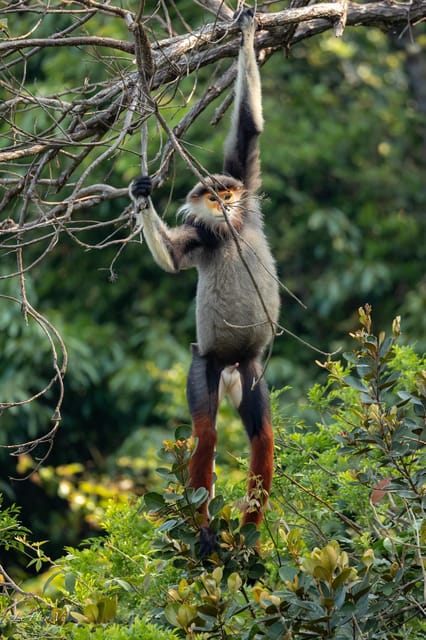
- Red-shanked douc langurs in Son Tra Nature Reserve are the main target, including chances to spot babies and adult or alpha males.
- Binoculars are included, which matters because these animals are shy and often far off.
- A small group (up to 5) keeps the experience more calm and easier to manage on narrow forest trails.
- You learn sex and age ID, then support real-time research data collection when the opportunity appears.
- Motorbike transport to remote jungle slopes gets you away from the usual crowds.
- Views plus variety: you may also pass by Monkey Mountain and a secret beach, and you might see other forest creatures like birds, butterflies, plants, or mongoose.
Son Tra at sunset: why this timing actually helps
This is a sunset-focused safari, and that matters for how wildlife behaves. At dusk, you can often get more movement in the forest and a better chance of seeing langurs actively feeding or shifting positions. The tour is built around that idea: you’re heading into the heart of the Son Tra Nature Reserve during a time window when the forest feels alive, and your guide is scanning for the animals that blend into the canopy and distance.
The bigger point is realism. You’re not buying a promise of a perfect wildlife photo. You’re buying a guided outing that gives you the best odds the team can manage. And the team is explicit that sightings depend on weather, monkey behavior, and luck. That sounds like a disclaimer, but it’s also how wildlife viewing works in general. If you go with that mindset, you’re less likely to feel disappointed if the day is quiet.
You can also read our reviews of more tours and experiences in Da Nang.
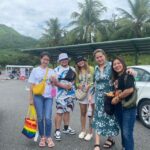
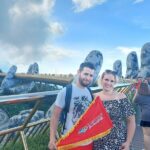

Getting there from Esco Beach Bar, then the motorbike ride
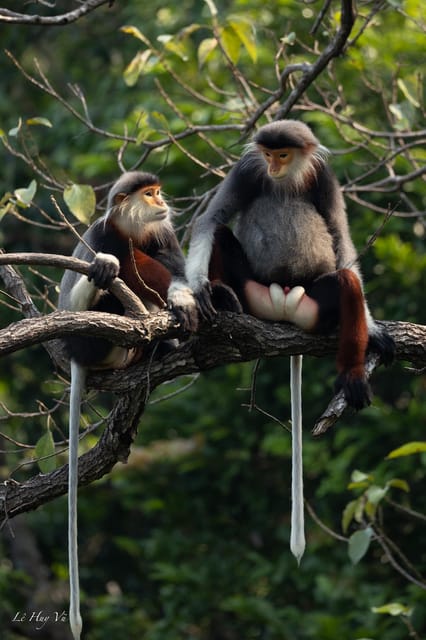
The meeting point is simple: start in front of Esco Beach Bar in Da Nang. The tour also notes it’s for guests who come from Hoi An or for those without a pickup location in Da Nang, and the activity ends back at the meeting point.
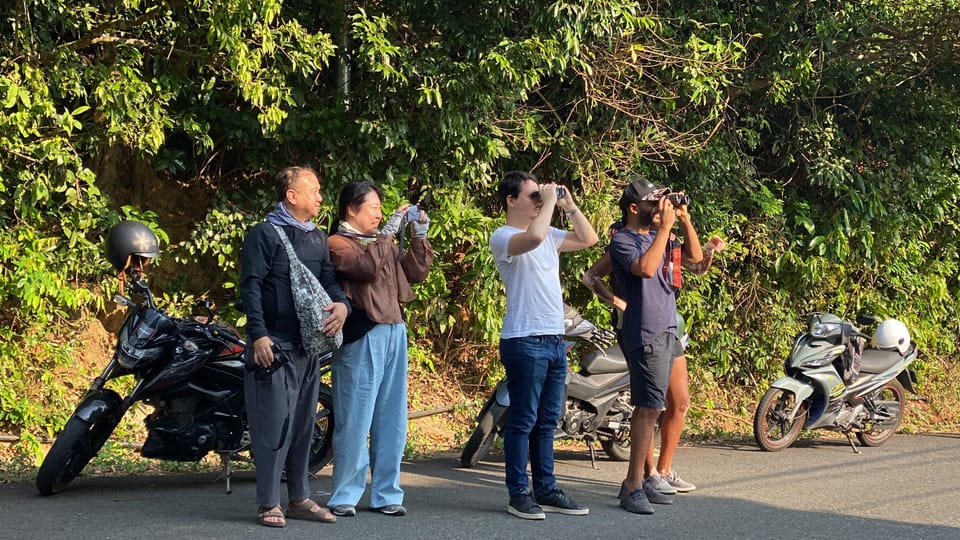
Once you start, you’re not on foot from the beginning. You travel by motorbike with a guide acting as a private driver for the group. That’s a practical advantage in Son Tra: getting to remote areas is faster, and it reduces the time you spend walking along roads instead of scanning for wildlife.
A few reviews highlight that the riding style is careful and respectful to the animals, including for older visitors who were a bit nervous about the scooter ride. So if you’re worried about comfort, the good news is that the operation clearly aims for safe, controlled driving rather than speed.
The walking part: secret slopes and binocular scanning
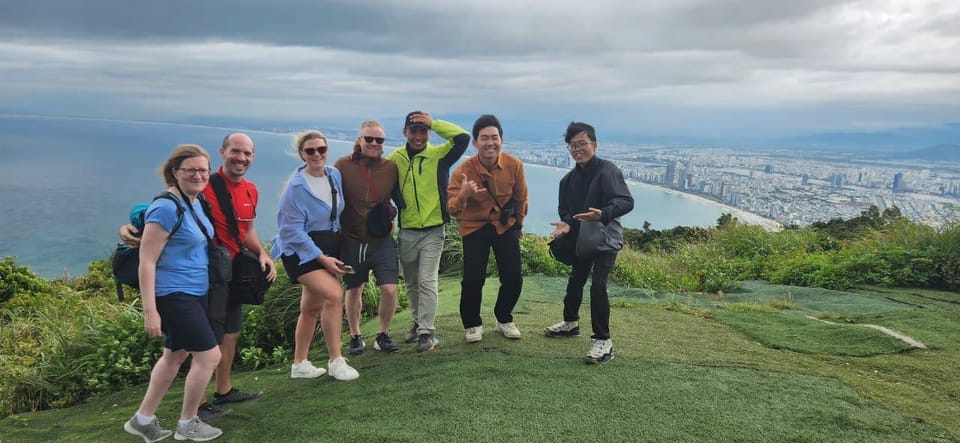
After the ride, you’ll do an easy forest stroll across twisting mountain road terrain and into quieter areas. The tour description calls it a 3-hour stroll with an easy pace through scenic jungle paths, and the overall activity time is listed as about 2.5 hours. In practice, think of it as short walking sections paired with stops for scanning, then repositioning by motorbike.
Here’s what makes the walking meaningful: the guide isn’t just telling you to look around. You’re following a spotting process. The tour includes binoculars, which is a big deal for shy primates that may be high up, moving, or partially hidden. With binoculars, you’re more likely to identify langur behavior and group structure instead of only seeing a vague dark shape in the trees.
Also, you’re going into areas that you won’t find just by wandering. The tour wording emphasizes secret spaces and hidden slopes that langurs use. That’s the difference between a “maybe we see something” outing and a structured search.
Learning red-shanked douc langurs: sex, age, and research help
This safari leans hard into education, and it shows in the way the guide works with you. You’re not only there to say you saw a monkey. You’ll be taught how to tell the difference between she and he, and how to estimate age—skills that instantly make wildlife viewing more satisfying. Suddenly, you’re not just counting animals; you’re understanding the group.
There’s also a real-time research component. The tour description states that you participate by helping collect data about the monkey encounters you have. That means your attention matters: where the langurs are, what they’re doing, and how the group behaves. It’s a small action, but it turns your outing into something more active than passively following someone through a forest.
You might also learn through quick conversations on the trail. One key detail from the information provided is that the guide looks for chances to talk with local animal photographers, then shares insights and shows photos from them. That can sharpen your “what to look for” instincts, especially when wildlife is distant or partly obscured.
Other wildlife you may spot, and why it’s not just a bonus
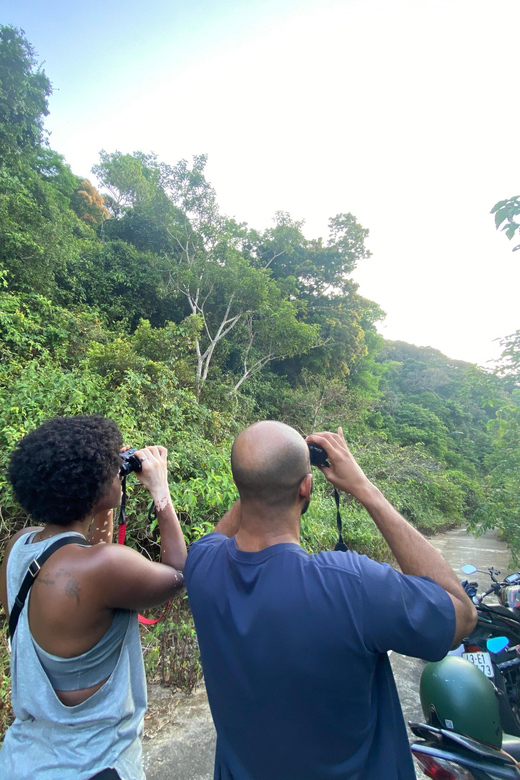
Even though the langur is the star, the tour is designed around a living ecosystem. You might see birds, colorful butterflies, plants, or mongoose along the route. That matters because forests aren’t like zoos. If the langurs are quiet or tucked away, the rest of the habitat can still keep your eyes busy.
This is where a good guide makes the experience feel full. The team doesn’t frame it as only one outcome. They’re scanning the same places langurs might travel, and while you’re waiting for the primates, you’re still getting nature moments: movement overhead, color along the trail, and the small details that make Son Tra feel like an actual habitat.
Monkey Mountain and a secret beach: the scenery side
One of the perks included in the tour description is the chance to see hidden sceneries on the mountain route, including Monkey Mt and a secret beach. These are not described with exact timing in the info you provided, but the intent is clear: your outing mixes wildlife searching with scenic stops.
This matters for value. Even if you don’t get a perfect langur sighting, you’re still paying for a guided experience that moves through interesting terrain and gives you viewpoints and surprise stops. Several tour ratings reflect that the views and the overall experience feel worth it even when the monkey action is lighter than expected.
Guides, group size, and respectful viewing distance
Small group size is one of the biggest quality signals here: limited to 5 participants. That means your guide can manage pace, adjust quickly when animals appear, and keep the group calm on narrow trails.
It also supports a key ethical piece: respectful distance. The tour description says the team aims for encounters without disturbing the monkeys. Multiple reviews reinforce this with stories of guides keeping a safe distance so the animals remain comfortable. When you’re seeing an endangered species, calm matters. It improves your odds too, because stressed animals move off sooner.
You’ll also meet different guide names depending on the day. Reviews mention Brendan, Cillian, Tam, Lillian, Huy, and Binh as part of the guide and driver team. The common thread across those names is strong spotting ability and patience with questions, plus a riding style that feels controlled and considerate.
Price, value, and extra fees you should plan for
The listed price is $48 per person, lasting about 2.5 hours. For that amount, you’re getting more than a walk in the woods. You’re paying for:
- transport by motorbike to more remote areas
- binoculars for viewing shy monkeys
- water and fruit snacks
- a guide team focused on endangered primate sightings
That’s why the value can work well. In a normal wildlife situation, the cost of admission is less important than the cost of access and expertise. Here, your “paid product” is the chance to locate and observe red-shanked douc langurs with help, not just the hope of a random sighting.
Two extra cost items are worth knowing:
- During Lunar New Year holiday dates from Jan 28 to Feb 1, 2025, there’s a 300,000 VND service charge on the spot.
- Guests who weigh over 85 kg to 100 kg are required to pay 250,000 VND extra. People over 100 kg are not suitable.
If you’re traveling during Lunar New Year, factor that service charge into your budget early so it doesn’t feel like a last-minute surprise.
What to bring, what to skip, and how to feel comfortable
This safari is built for light movement. The tour says to travel light because there’s no space for backpack or luggage. So bring the essentials:
- a small camera or phone (the tour doesn’t restrict cameras)
- light rain protection if weather is changeable
- comfortable footwear for uneven jungle terrain
What to skip:
- alcohol and drugs are not allowed
- heavy luggage (you don’t have storage space)
- anything that makes you slow or encumbered
Also note a couple limits that affect your comfort:
- not suitable for children under 5
- not suitable for people over 220 lbs (100 kg)
If you’re unsure about the scooter ride, you can look for the fact that guides are reported as considerate riders, including for older participants who were initially worried. That doesn’t remove all risk, but it suggests the operation treats comfort and safety seriously.
Should you book this Son Tra douc langur safari?
If you want a guided, respectful wildlife outing with binocular support and real education about one of the rarest primates on Earth, I’d say it’s a strong choice. The small group size, the binoculars, and the chance to learn sex/age ID make it more than a basic sightseeing stop.
You should book with the right expectations, though. This is a luck-and-conditions experience. The company clearly says monkeys, including rare ones, cannot be guaranteed every time. If you need a guaranteed animal encounter no matter the weather, you might be happier with a different kind of wildlife experience.
For most people, the sweet spot is this: you can handle a bit of uncertainty, you want expert-led searching in remote Son Tra areas, and you care about seeing endangered wildlife without pushing close or disrupting their space. If that’s you, this sunset safari makes a lot of sense.
FAQ
What animals am I hoping to see on this safari?
The main target is the critically endangered Red-shanked douc langurs in Da Nang’s Son Tra Nature Reserve. The tour also notes you may see other forest creatures like birds, colorful butterflies, plants, or sometimes mongoose.
How long is the experience?
The duration is listed as about 2.5 hours (you can check starting times for exact scheduling).
What is included in the price?
Included items are binoculars for viewing shy monkeys, water and fruit snacks, and transport by motorbike with a guide who acts as your private driver in remote areas.
Are cameras provided?
No. Cameras are not included, but you’re welcome to bring your own.
Is the monkey sighting guaranteed?
No. The tour explicitly says sightings, including rare monkeys, cannot be guaranteed and depend on weather, monkey behavior, and luck.
How big is the group?
It’s a small group limited to 5 participants.
Are there any extra charges?
Yes. During Lunar New Year holiday dates from Jan 28 to Feb 1, 2025, there is a 300,000 VND service charge on the spot. Also, guests weighing over 85 kg to 100 kg need to pay 250,000 VND extra. People over 100 kg are not suitable.
What should I do about luggage?
You should travel light because there’s no space for backpacks or luggage.